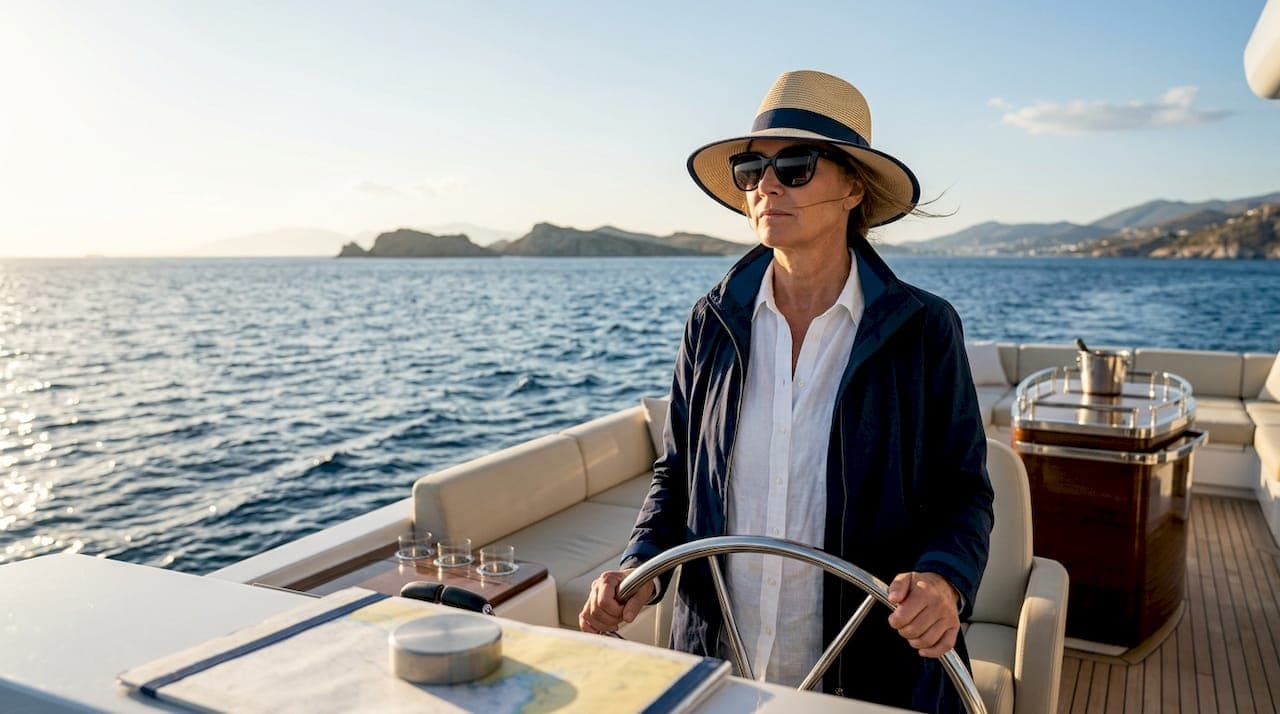
Timing defines a luxury yacht charter more than almost any other variable. The best seasons for luxury yacht travel are determined by three intersecting forces: weather windows, crowd density, and charter pricing. Get the balance right, and you wake up to glassy anchorages, warm water, and a yacht that feels like your private island. Get it wrong, and you're fighting port congestion, inflated marina fees, and weather that keeps you below deck. The industry term for this planning discipline is "seasonal charter optimization," and it applies whether you're eyeing the Mediterranean, the Caribbean, or the remote reaches of French Polynesia.
What are the peak and shoulder seasons in major luxury yacht destinations?
Seasonal yacht travel follows distinct regional rhythms, and knowing those rhythms is the foundation of any well-planned charter. Each major yachting region operates on its own climate calendar, shaped by trade winds, monsoon cycles, and hurricane seasons.
Mediterranean
The Mediterranean runs hot from may through october, with peak demand hitting mid-July to mid-August, when over 90% of 50-meter-plus vessels are booked. That statistic tells you everything about supply pressure during high summer. The shoulder months of april through june and september through october offer calmer ports, lower marina fees, and the same crystalline water with a fraction of the crowds. We consider april and october the hidden gems of Mediterranean yachting: temperatures are cooler, but the light is extraordinary and the anchorages are yours.
Caribbean
The Caribbean sailing season runs from december through april, driven by the northeast trade winds that deliver consistent 15–20 knot breezes and low humidity. Christmas and New Year charters book out 9–14 months in advance, which means if you want a crewed catamaran in the British Virgin Islands for the holidays, you need to be planning now. The hurricane season officially spans june through november, but the southern Caribbean, including Grenada, Trinidad, and the ABC islands, sits below the primary hurricane belt and remains viable year-round with only 1–3 months of lead time needed.
Indian Ocean and Southeast Asia
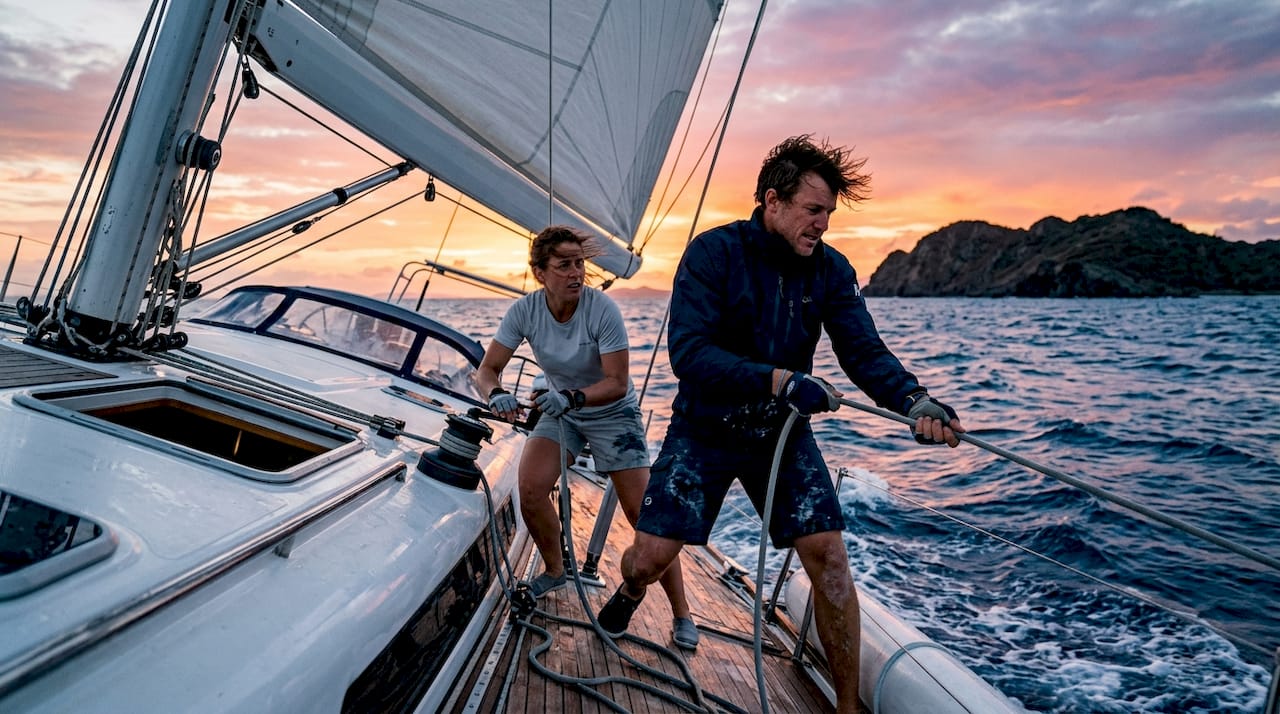
The Maldives and Seychelles peak from november through april, when the northeast monsoon delivers dry, settled conditions. Southeast Asia operates on a split calendar: Thailand's Andaman coast shines from november through april, while the Gulf of Thailand flips to its best weather from june through october. Sailing conditions in Southeast Asia are highly seasonal, and the monsoon restricts access to certain anchorages entirely. Planning around these windows is non-negotiable.
| Region | Peak Season | Shoulder Season | Key Weather Risk |
|---|---|---|---|
| Mediterranean | July–August | April–June, Sept–Oct | Meltemi winds in August |
| Caribbean | Dec–April | Nov, May | Hurricanes June–Nov |
| Maldives / Seychelles | Nov–April | May, Oct | SW monsoon May–Oct |
| Southeast Asia (Andaman) | Nov–April | Oct, May | Monsoon June–Sept |
| Southern Caribbean | Year-round | N/A | Minimal hurricane risk |
How do weather and sea conditions affect the yacht travel experience?
Weather is not just a comfort variable. It determines which activities are possible, which anchorages are accessible, and how safe the passage between islands will be. A crewed yacht with an experienced captain can read local conditions and adapt the itinerary in real time, but no crew can outrun a poorly timed departure window.
Sea state directly shapes the quality of water activities. Snorkeling and diving require visibility, and visibility drops sharply after heavy rain or in surge-affected bays. The Mediterranean's notorious Meltemi wind, which funnels through the Cyclades in July and August, can push wave heights to 3–4 meters and shut down tender operations entirely. Choosing september instead of august in Greece often means calmer seas, better diving conditions, and the same warm water temperatures.
Key weather considerations by region:
- Mediterranean: The Meltemi peaks in July and August between Mykonos and Santorini. Sailing in june or september avoids the worst of it while keeping water temperatures above 24°C.
- Caribbean: Tropical waves can develop quickly between august and october even in the southern islands. Monitor NOAA forecasts and keep passage plans flexible.
- Indian Ocean: The southwest monsoon brings rough seas and reduced visibility to the Maldives from may through september. The Seychelles inner islands offer more shelter during this period.
- Southeast Asia: Monsoon rains in the Andaman Sea from june through september can be dramatic. Some operators use this period for liveaboard diving in the Gulf of Thailand instead.
- Alaska and high-latitude destinations: Summer windows from june through august are narrow but extraordinary, with long daylight hours and dramatic wildlife encounters.
Pro Tip: During shoulder seasons, ask your charter specialist about protected anchorages on the leeward side of islands. These spots are often unknown to first-time visitors and deliver flat-calm conditions even when the windward coast is rough.
What tradeoffs exist between exclusivity, cost, and availability across seasons?
Seasonal selection is fundamentally a tradeoff between exclusivity and availability. Peak seasons deliver predictable weather and social vibrancy, while off-peak periods offer privacy, discounts, and a more authentic connection to local life. Neither is objectively better. The right answer depends on what you value most.
Peak season pricing reflects genuine scarcity. Marina fees and provisioning costs can rise by 30–50% during peak summer compared to shoulder months. That increase is not arbitrary. It reflects the cost of operating in crowded ports where berths are reserved months in advance and local suppliers charge accordingly. A charter that costs $80,000 per week in july may be available for significantly less in may or october, with comparable weather and far fewer neighboring yachts.
Factors to weigh when selecting your season:
- Weather certainty: Peak seasons offer the most predictable conditions. Shoulder seasons carry slightly more variability but are rarely problematic with good planning.
- Privacy and anchorage access: Off-peak travel means fewer yachts competing for the same bays. In the Greek islands, this difference is dramatic between august and october.
- Charter rate and total cost: Shoulder and off-peak periods offer meaningful savings on base charter rates, marina fees, and provisioning.
- Destination-specific events: The Monaco Grand Prix in may, the Cannes Film Festival, and Antigua Sailing Week each create localized demand spikes that affect availability and pricing in specific ports.
- Booking lead time required: Peak bookings require 12–18 months of advance planning. Shoulder seasons typically need 4–8 months, and some off-peak regions can be arranged with as little as 14–30 days' notice.
Pro Tip: If your schedule is flexible, target the last two weeks of september in the Mediterranean or the first two weeks of may in the Caribbean. These windows sit at the edge of peak season, offering near-peak weather with shoulder-season pricing and crowd levels.
Luxury travelers increasingly value off-peak seasons for the privacy and authentic local experiences they deliver. That shift in preference is creating new demand in destinations like the Azores, Norway's fjords, and the Galápagos, where the best experiences are tied to specific wildlife and ecological calendars rather than traditional summer peaks.
How to plan and book your luxury yacht charter around the best seasons for 2026
Booking strategy varies significantly by region and season. The single most common mistake is underestimating lead time for peak periods. For 2026 Christmas and New Year charters in the Caribbean, the window for securing your preferred vessel has already closed for many top-tier yachts. For Mediterranean summer, the best crewed yacht options in the 50-meter-plus category are typically reserved by january of the charter year.
Practical steps for planning your 2026 charter:
- Identify your priority: Decide first whether you're optimizing for weather certainty, privacy, cost, or a specific activity like diving or wildlife watching. That decision drives every other choice.
- Match destination to season: Use the regional calendar above as your starting framework. Then layer in specific events, festivals, or wildlife windows that matter to you.
- Consult a specialist early: Exoticacharters works with former captains and water sports professionals who understand the nuances of each region's seasonal calendar. Their charter booking guidance can save you months of research.
- Build flexibility into your itinerary: Even in peak season, weather can shift. A well-designed itinerary includes alternative anchorages and passage options so the crew can adapt without disrupting your experience.
- Consider emerging destinations: The Galápagos, French Polynesia, and Alaska operate on ecological calendars that don't align with traditional yachting peak seasons. These destinations often offer extraordinary experiences in months that most travelers overlook.
For the Norway fjords, june through august delivers the midnight sun and dramatic scenery with manageable temperatures. For the Galápagos, the cooler garúa season from june through november brings nutrient-rich waters and exceptional diving, while the warmer months from december through may offer calmer seas and better snorkeling visibility. Neither window is wrong. They simply deliver different experiences.
Key Takeaways
The best luxury yacht travel seasons balance weather reliability, anchorage privacy, and charter cost, with regional timing windows that vary by climate, hurricane cycles, and local demand.
| Point | Details |
|---|---|
| Peak season means high demand | Mediterranean July–August and Caribbean December–April require 12–18 months of advance booking. |
| Shoulder seasons offer real value | April–June and September–October in the Mediterranean deliver near-peak weather with 30–50% lower costs. |
| Southern Caribbean runs year-round | Below the hurricane belt, destinations like Grenada and the ABC islands need only 1–3 months of lead time. |
| Weather shapes activities directly | Sea state, monsoon timing, and wind patterns determine diving visibility, tender access, and passage safety. |
| Emerging destinations follow ecological calendars | Galápagos, French Polynesia, and Alaska peak outside traditional summer windows and reward flexible planners. |
Seasonal timing is where most luxury charters succeed or fail
The conventional wisdom says book peak season for guaranteed sun. I've found that advice serves the charter industry more than it serves the traveler. The guests who come back most satisfied are almost never the ones who paid peak-summer rates in Mykonos. They're the ones who sailed the Ionian in late september, found empty anchorages off Lefkada, and had a crew that knew exactly where to take them because the crowds weren't dictating the route.
The real risk in off-peak travel is not weather. It's choosing the wrong region for the wrong time of year. A shoulder-season charter in the northern Mediterranean in april is genuinely lovely. A charter in the Andaman Sea during the height of the monsoon is a different matter entirely. The distinction requires local knowledge, not just a calendar.
What I'd push back on most is the idea that peak season equals best experience. For wildlife-focused charters, the Galápagos garúa season brings hammerhead sharks, whale sharks, and marine iguanas in numbers that the warm season simply doesn't match. For diving in French Polynesia, the cooler months deliver visibility that peak-season tourists never see. The destinations available through Exoticacharters are specifically chosen because their best moments don't always align with the calendar everyone else is following.
My honest advice: tell your charter specialist what you want to experience, not what month you want to travel. Let the experience drive the timing, not the other way around.
— Mo
Exoticacharters: year-round luxury charters built around your season
Exoticacharters plans fully crewed yacht charters to extraordinary destinations year-round, from the Galápagos and French Polynesia to Alaska and beyond. The team's background as former captains and water sports professionals means they understand seasonal windows at the level of tidal patterns and wildlife cycles, not just weather averages.
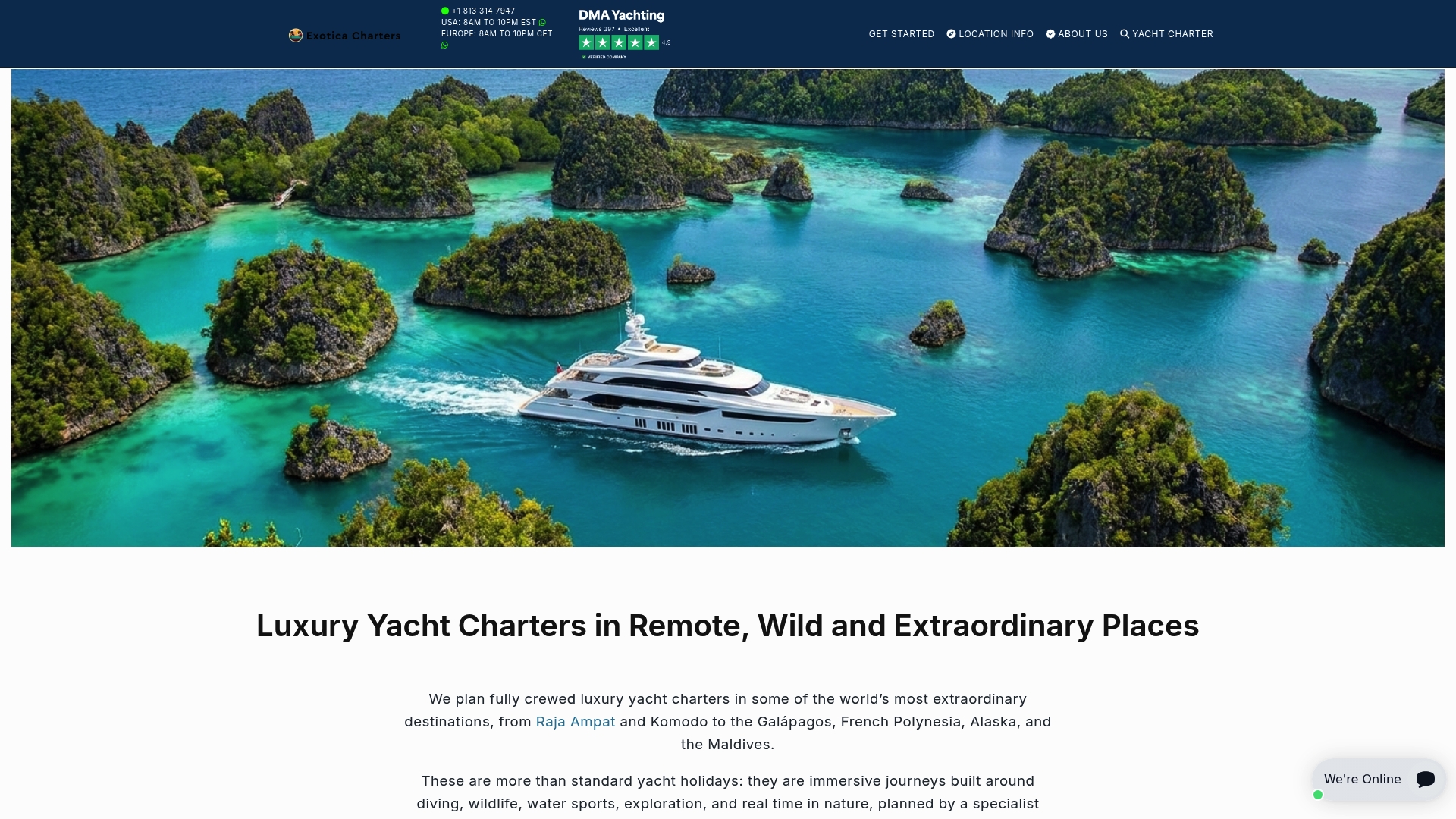
Whether you're drawn to the warm-water clarity of a Caribbean winter charter or the dramatic wildlife of a Galápagos expedition during the garúa season, Exoticacharters builds itineraries around what the destination actually offers at its best. Browse the full range of luxury yacht charters and speak with a specialist who can match your preferred season to the right vessel and destination. Every charter is tailored, every crew is expert, and every itinerary is designed to put you exactly where the experience peaks.
FAQ
What is the best time of year for a Mediterranean yacht charter?
The best Mediterranean months are april through june and september through october, when crowds are thinner and costs are lower. July and August offer peak weather but require 12–18 months of advance booking for top vessels.
When should I book a Caribbean luxury yacht charter?
The Caribbean sailing season runs december through april, and Christmas or New Year charters on premium yachts book out 9–14 months in advance. The southern Caribbean below the hurricane belt is available year-round with shorter lead times.
Can I charter a luxury yacht during the off-season?
Yes. The southern Caribbean, the Galápagos, and high-latitude destinations like Alaska and Norway offer compelling charters outside traditional peak windows. Off-peak charters often deliver more privacy, lower rates, and unique wildlife or ecological experiences.
How far in advance do I need to book a luxury yacht charter?
Booking lead times range from 12–18 months for peak Mediterranean and Caribbean seasons, 4–8 months for shoulder periods, and as little as 14–30 days for off-peak regions with available inventory.
Does season affect onboard activities like diving and snorkeling?
Season directly affects water visibility, sea state, and marine life presence. Cooler seasons in the Galápagos bring exceptional diving with large pelagic species, while the Mediterranean's calmer september waters deliver better snorkeling conditions than the wind-affected peak of August.