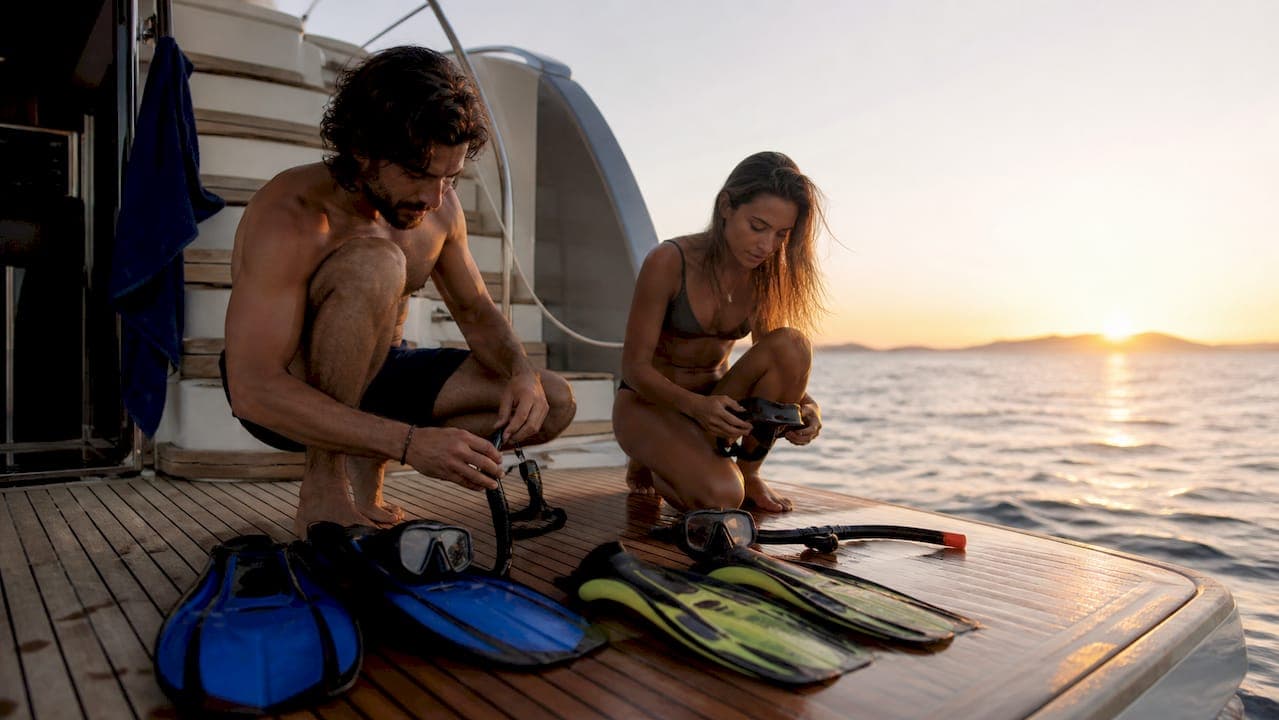
Planning a couples snorkeling adventure comes down to six ordered actions: pick your destination and lock in dates well ahead, book flights and accommodation immediately after, confirm snorkeling charters or boat slots several weeks out, settle gear decisions and practice together before departure, run final safety and logistics checks in the final week, then pack using a shared checklist the night before you fly. Get the sequence right and the romantic details fall into place naturally. Islands confirms the same priorities: buy or try gear early, practice beforehand, and never snorkel alone. For couples who want every detail handled by professionals with firsthand knowledge of extraordinary anchorages, Exoticacharters offers fully crewed private charters built around exactly this kind of adventure.
Key Takeaways
A well-planned couples snorkeling adventure requires booking major items 6–10 weeks out, practicing together before departure, and building small romantic moments into the day's structure.
| Point | Details |
|---|---|
| Book early, in sequence | Lock in the charter slot first, then accommodation; the best private boats fill weeks ahead of peak season. |
| Morning sessions win | Early departures deliver calmer water and better visibility; plan two or three short sessions rather than one long swim. |
| Own your mask | A properly fitted mask eliminates the most common in-water problem; buy your own even if you rent fins. |
| Shore vs. boat matters | Boat charters offer captain-selected sites, privacy, and clearer offshore reefs; shore access suits spontaneous, low-cost sessions. |
| Exoticacharters for turnkey trips | Exoticacharters provides fully crewed private charters with experienced captains, bespoke snorkeling sites, and optional naturalists for couples seeking a high-touch itinerary. |
| Check seasonality windows | Some destinations and wildlife experiences depend on narrow seasonality windows—refer to local guides (see Lonely Planet's Indonesia guide) and operator advice to confirm the months of best visibility before booking. |
Table of Contents
- What are the essential couples snorkeling adventure planning steps?
- How do you pick the right destination and time of year?
- Which gear should you buy vs. rent, and how do you practice together?
- What safety basics and logistics should couples confirm before they go?
- How do you make the snorkeling day genuinely special for two?
- What should you pack for a two-person snorkeling trip?
- How does Exoticacharters design private snorkeling itineraries for couples?
- What most couples get wrong about planning a snorkeling trip
- Private crewed charters for couples who want it done right
- Sources
What are the essential couples snorkeling adventure planning steps?
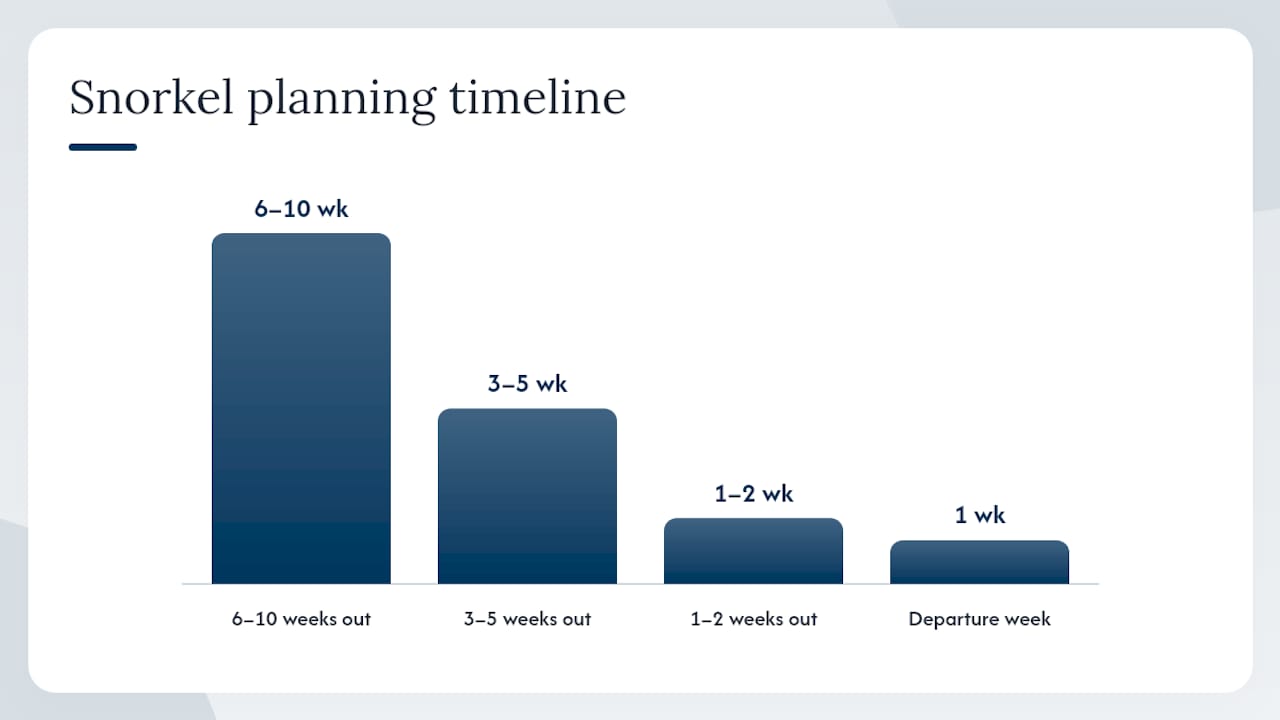
A clear timeline prevents the two most common mistakes: booking too late and skipping practice. Work backward from your departure date.
- 6–10 weeks out: Choose your destination and primary dates. Check seasonality windows for wildlife and visibility. Book flights, accommodation, and any private charter or boat slot immediately; the best private options fill fast.
- 3–5 weeks out: Confirm gear choices (rent vs. buy). Reserve an underwater camera or housing. Pre-book guided snorkel trips and any special add-ons such as a naturalist or onboard photographer.
- 1–2 weeks out: Run practice sessions together. Check mask fit and apply anti-fog. Buy reef-safe mineral sunscreen and any last-minute supplies. Confirm travel insurance and medical needs.
- Departure week: Call or email every provider to confirm. Pack using your shared checklist. Take seasickness medication the evening before if either of you is prone. Brief your partner on hand signals and agree on a comfortable pace.
Private charter planning guidance from Key West operators recommends matching charter length to skill level: three hours suits beginners at one site, four to five hours works for most couples across one or two sites, and a full day opens up multiple sites and a sandbar stop. Always confirm whether masks, fins, and snorkel tubes are included before you pay a deposit.
Pro Tip: Book your charter slot before you finalize accommodation. The best private boats on popular reefs, from the Florida Keys to French Polynesia, fill weeks ahead of peak season, and your accommodation choice should orbit your on-water schedule, not the other way around.
How do you pick the right destination and time of year?
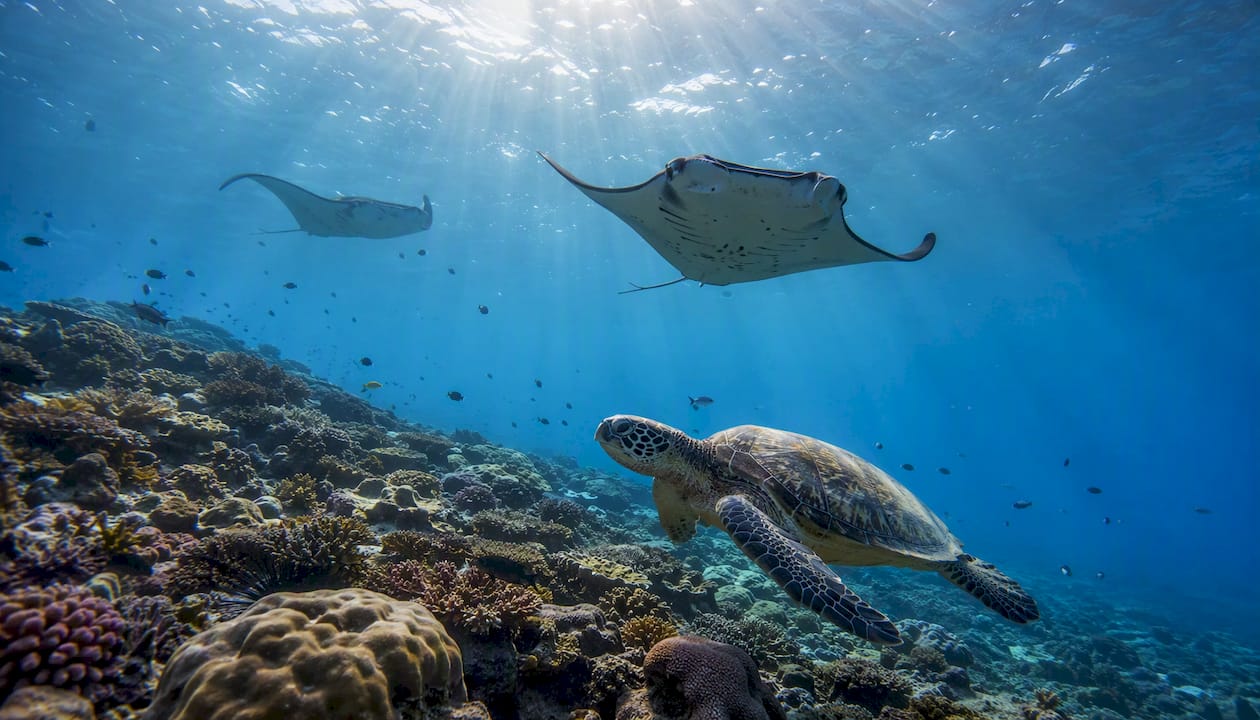
The experience you want should drive the destination, not the other way around. Turtles, manta rays, and whale sharks each have narrow seasonal windows; calm beginner-friendly reefs and dramatic remote walls are different trips entirely.
Lonely Planet's Indonesia diving and snorkeling guide is direct: wind and swell patterns shape comfort and visibility far more than a sunny forecast, and early-morning departures consistently deliver calmer seas. The same principle applies across the Caribbean, where leeward coasts and morning windows outperform afternoon sessions on exposed shores regardless of the weather app. Shoulder seasons, as reef tour research from the Coral CoE notes, often deliver the best balance of crowd levels and conditions for couples who want privacy without sacrificing water clarity.
| Destination | Best Season | What You're Likely to See | Couple Appeal |
|---|---|---|---|
| Raja Ampat, Indonesia | October–April (most guides suggest October–April as peak. However, Lonely Planet's Indonesia guide and operator sources note that the dry season, April–October, typically offers the best visibility for snorkeling; confirm specific wildlife peak windows when booking) | Manta rays, reef sharks, extraordinary coral density | Remote, private anchorages; expedition feel |
| Caribbean (BVI, St. Lucia) | December–April | Turtles, colorful reef fish, clear shallow water | Calm leeward bays; easy shore access |
| Galápagos, Ecuador | December–May | Sea lions, marine iguanas, hammerheads | Dramatic wildlife; once-in-a-lifetime encounters |
| French Polynesia | May–October | Humpback whales (July–October), lemon sharks, rays | Overwater bungalows nearby; iconic scenery |
A few principles worth fixing before you book:
- Morning departures are almost always calmer and clearer than afternoon sessions.
- Leeward coasts shelter you from prevailing winds; windward coasts look beautiful in photos and feel rough in the water.
- Wildlife windows are narrow. If manta rays or whale sharks are the reason you're going, build the entire trip around their peak weeks, then choose accommodation.
- Romantic remote destinations that are only accessible by private yacht often deliver the privacy and scenery that shore-based resorts simply cannot replicate.
Which gear should you buy vs. rent, and how do you practice together?
Mask fit is the single variable that determines whether a snorkeling session is magical or miserable. A leaking mask ruins the experience faster than any current or jellyfish. We would strongly suggest buying your own mask and snorkel before the trip, even if you rent fins at the destination. A properly fitted mask eliminates the most common fixable problem operators see on the water.
Core kit to own:
- Mask with a silicone skirt (test the suction seal on dry skin before buying)
- Dry-top or semi-dry snorkel
- Open-heel fins if you plan to snorkel regularly; full-foot fins for warm, shallow reefs
Comfort additions worth packing:
- Rashguard or thin wetsuit (3mm suits most tropical destinations and prevents sunburn on your back)
- Snorkel vest or inflatable float belt for the less-confident swimmer
- Neoprene socks if fins tend to chafe
- Anti-fog solution or a small tube of baby shampoo (a thin coat on the lens, rinsed lightly, works well)
- Reef-safe mineral sunscreen; chemical sunscreens containing oxybenzone are banned or restricted in Hawaii, Palau, and several Caribbean jurisdictions and damage coral regardless of local law
Practice drills to run together before you travel:
- Mask-clearing drill in a pool or shallow water: flood the mask intentionally, then exhale through your nose to clear it
- Snorkel breathing: practice slow, rhythmic breaths with your face submerged before entering open water
- Buoyancy awareness: float face-down without kicking to find your natural trim
- Pace synchronization: swim side by side for 10 minutes and agree on a comfortable speed
Kona Snorkel Trips' guidance for mixed-skill couples recommends a short skills warm-up at the surface before every session; basic techniques take under five minutes to run through and dramatically reduce anxiety for the less-confident partner.
Pro Tip: Agree on three hand signals before you enter the water: "I'm okay," "I want to surface," and "look at this." Simple, shared language prevents the frustration of one partner feeling rushed and the other feeling held back.
What safety basics and logistics should couples confirm before they go?
Safety on a snorkeling trip is mostly about awareness and preparation, not heroics. The buddy system is non-negotiable: you and your partner stay within arm's reach or clear visual contact at all times. Currents can move faster than they appear from the surface; if you feel yourself drifting, signal your partner, surface calmly, and swim perpendicular to the current rather than against it.
Safety checklist:
- Brief each other on the day's conditions before entering the water
- Carry a snorkel vest or float belt if either partner is not a strong swimmer
- Respect reef etiquette: no touching coral, no standing on the reef, no chasing animals
- Know the operator's abort signal and agree on a personal one between yourselves
- Confirm travel insurance covers water sports; standard travel policies often exclude them. Exoticacharters's insurance guidance explains what expedition charter coverage typically looks like and what to check with your insurer.
Shore vs. boat access: how each shapes your day
| Factor | Shore Snorkeling | Boat Charter |
|---|---|---|
| Site variety | Limited to accessible reefs near shore | Captain selects optimal sites based on conditions |
| Privacy | Shared with other beach visitors | Private or small-group; anchor away from crowds |
| Visibility | Variable; affected by runoff and foot traffic | Offshore reefs typically clearer |
| Cost | Low to free | Variable cost per couple depending on duration and location |
| Romantic appeal | Spontaneous; easy to repeat | Curated; champagne on deck is a realistic option |
| Skill requirement | Suits all levels with calm conditions | Suits all levels; captain manages conditions |
A private charter removes most of the logistical friction: the captain selects sites based on that morning's conditions, gear is often included, and the pace is yours to set. For couples, that privacy dividend is hard to overstate.
How do you make the snorkeling day genuinely special for two?
The couples who remember their snorkeling day most vividly are rarely the ones who swam the farthest. They are the ones who planned short, repeated sessions rather than one exhausting marathon, left time to float quietly together, and built small rituals into the day.
- Plan two or three 30–45 minute sessions rather than one long swim; this approach, recommended by Caribbean snorkeling research, maximizes wildlife sightings and keeps energy high.
- Time your first entry for sunrise or early morning when the water is calmest and the light through the water is extraordinary.
- Build in a private sandbar or beach stop between sessions; even 20 minutes on an empty beach with cold drinks resets the mood entirely.
- For photography: brief camera bursts work better than long video clips; hand the camera back quickly so neither partner spends the session behind a lens. A waterproof point-and-shoot or a phone in a quality waterproof case is sufficient for most couples. Never chase animals for a better shot.
- Shoulder seasons reduce crowds on the reef and on the boat deck, giving you the quiet that transforms a good trip into a great one.
The Honeymoon Yacht Charter Destination Guide offers additional ideas for weaving romantic moments into a multi-day itinerary, from private anchorages at sunset to onboard dining at remote reefs.
What should you pack for a two-person snorkeling trip?
Pack light, pack smart, and divide items between shared and individual bags so neither partner carries everything.
Shared items:
- Reef-safe mineral sunscreen (two bottles for a week-long trip)
- Compact first-aid kit with seasickness tablets
- Reusable water bottles and high-energy snacks
- Spare mask straps and fin buckles
- Quick-dry towels (one each)
- Change of clothes for the boat ride back
- Small dry bag for phones, wallets, and keys
Individual items:
- Your own properly fitted mask and snorkel
- Fins (owned or confirmed rental size)
- Prescription mask insert if needed
- Rashguard or wetsuit
- Personal motion-sickness medication
- Lip balm with SPF
Camera and memory:
- One shared waterproof camera or a single phone in a waterproof case keeps the kit simple and reduces the risk of losing equipment overboard
- A small floating wrist strap for the camera is worth the $10 it costs
For a deeper packing breakdown tailored to yacht travel, Exoticacharters's packing guide for a romantic yacht escape covers what to leave behind as clearly as what to bring.
How does Exoticacharters design private snorkeling itineraries for couples?
Exoticacharters handles the decisions that consume most of the planning time: yacht selection, site routing, provisioning, and the small details that separate a good day on the water from an extraordinary one. The team consists of former captains and water-sports professionals who have snorkeled on five continents, and that depth of firsthand knowledge shapes every itinerary. Clients consistently reflect that experience in Exoticacharters's Trustpilot reviews.
What a private crewed charter with Exoticacharters typically covers:
- Yacht selection matched to your destination, group size, and comfort preferences, from catamarans to superyachts
- Captain-selected snorkeling sites based on that day's conditions, not a fixed route
- Gear inclusion confirmed at booking; ask specifically about mask sizing, wetsuit availability, and underwater camera options
- Optional onboard naturalists or expedition guides for wildlife-focused destinations such as the Galápagos or Raja Ampat
- Flexible itinerary pacing so the less-confident partner sets the tempo without either of you feeling constrained
- Snorkeling-specific destination profiles covering visibility windows, wildlife calendars, and anchorage options
Pro Tip: When you inquire with Exoticacharters, ask three questions upfront: Is gear included or available onboard? What is the cancellation policy if conditions are poor? And what is the minimum booking lead time for your target destination? Those three answers shape the rest of your planning timeline.
What most couples get wrong about planning a snorkeling trip
Most planning guides treat a snorkeling trip as a gear problem. Pack the right fins, buy the right mask, and the experience takes care of itself. We disagree with that framing, and the evidence supports a different priority order.
The variable that most consistently separates a memorable trip from a frustrating one is timing, not equipment. Couples who book the right destination in the wrong season, or who arrive at the reef at 2 PM when the wind has picked up and visibility has dropped, often blame their gear or their skill level. The actual culprit is a planning sequence that treated accommodation and flights as the primary decisions and left the snorkeling logistics as an afterthought.
The second underrated factor is the pace agreement. Couples with different comfort levels in the water often default to the stronger swimmer's pace, which leaves the other partner anxious and the day feeling less shared than it should. A private charter solves this structurally: the captain manages conditions, the itinerary is yours, and there is no group schedule pulling either of you away from a moment worth staying in.
Generic advice also tends to underplay the value of shoulder seasons. Peak season means crowds on the reef, crowded boats, and less of the quiet that makes a snorkeling day feel romantic rather than logistical. Traveling a few weeks earlier or later often delivers better conditions and a genuinely private experience.
Plan the water first. Let everything else follow.
Private crewed charters for couples who want it done right
Exoticacharters is the alternative to piecing together a snorkeling trip from separate bookings across flights, resorts, and day-tour operators. A fully crewed private yacht charter means one point of contact, a captain who selects your snorkeling sites based on that morning's conditions, and an itinerary designed around what you actually want to see, at a pace that works for both of you.
The team at Exoticacharters includes former captains and water-sports professionals with firsthand experience across the Galápagos, French Polynesia, Raja Ampat, and beyond. That knowledge translates directly into better site selection, smarter timing, and the kind of small details, a private anchorage at sunset, a naturalist onboard for a wildlife-focused day, that no resort day tour can replicate. Couples who want onboard diving and snorkeling support can browse yachts with dive facilities or explore the full luxury yacht collection to find the vessel that fits your destination and travel style. Speak with an Exoticacharters specialist to check availability for your target dates and destination.
Sources
External planning resources:
- Steps: how to plan the best snorkeling trip or vacation
- How to plan a private snorkeling charter in Key West
- Captain Cook snorkeling for couples with different swim skills | Kona Snorkel Trips
- Reef tours for two: what actually works
- Caribbean snorkeling guide – Osaviva Travel
Exoticacharters planning pages: