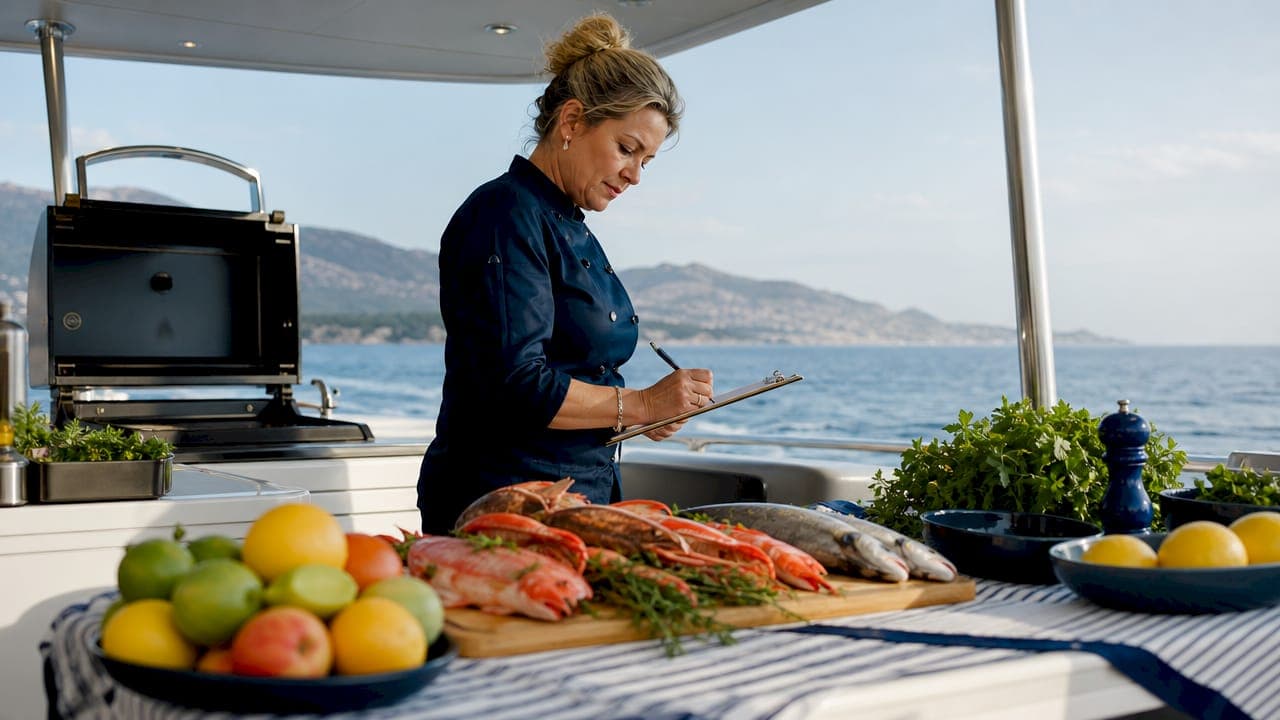
Family meal planning on a yacht is defined as organizing daily meals around protein rotation, galley constraints, and flexible menus to create fresh, enjoyable dining for every age on board. Unlike planning meals at home, the yacht context introduces real variables: limited cold storage, changing port availability, and the physical reality of cooking on a moving vessel. The good news is that a structured yet adaptable approach, built around protein rotation and breakfast preferences, removes most of the guesswork. Families who plan this way eat better, waste less food, and spend far more time enjoying the water than worrying about what's for dinner.
What is protein rotation and why is it central to yacht meal planning?
Protein rotation is the practice of assigning protein types to specific nights rather than locking in exact dishes. A typical week might look like fish three nights, chicken two nights, and a vegetarian meal one night. This method gives the chef room to source the freshest catch at each port while keeping meals varied and balanced for the whole family.
The practical benefit is significant. Protein rotation maintains freshness while allowing the chef to adapt to whatever local markets offer at each anchorage. A rigid 21-meal menu sounds thorough, but it collapses the moment a specific ingredient is unavailable. Rotation-based planning is resilient by design.
For families with children, protein rotation is especially useful because it creates predictability without monotony. Kids know fish is coming a few nights a week, but the preparation changes: grilled one night, in tacos the next, baked with herbs the third. That variety keeps meals interesting without introducing unfamiliar proteins that younger eaters might reject.
- Fish (3 nights): Grilled mahi-mahi, fish tacos, baked snapper with local herbs
- Chicken (2 nights): Roast chicken thighs, pasta with chicken and cherry tomatoes
- Vegetarian (1 night): Shakshuka, vegetable curry, or a fresh pasta primavera
- Flexible night: Steak, lamb, or a local specialty sourced at port
Pro Tip: Tell your chef which proteins your children will actually eat before departure. A rotation built around familiar favorites reduces mealtime friction dramatically, especially on longer passages when energy is lower.
How to plan meals considering yacht galley constraints and voyage itinerary
The yacht galley is a compact, high-performance kitchen. It typically includes two to four burners, a small oven, and refrigeration that varies by vessel size. Understanding these limits before you plan meals prevents frustration and sets realistic expectations for what the chef can produce underway.
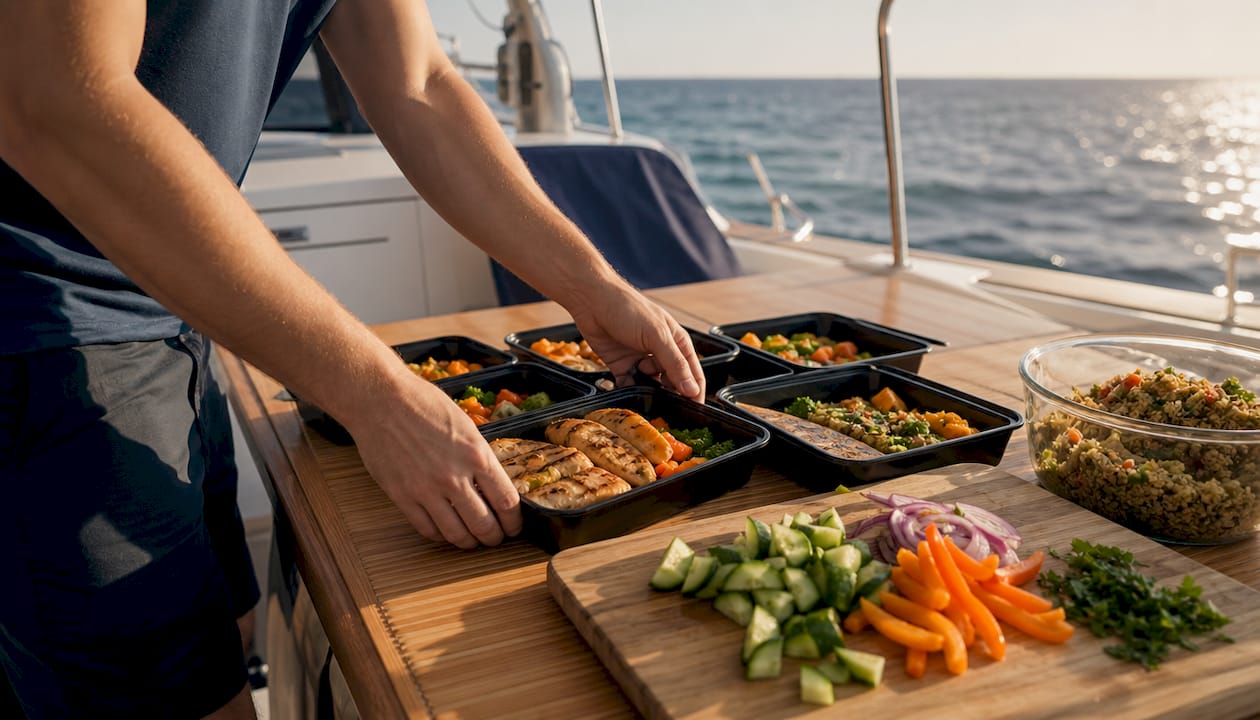
The most important planning principle is building flexibility into every day. Chefs recommend multiple menu versions because weather changes, market closures, and rough passages can all disrupt a fixed plan. A Plan B and Plan C for each dinner means the chef always has a path forward, regardless of conditions.
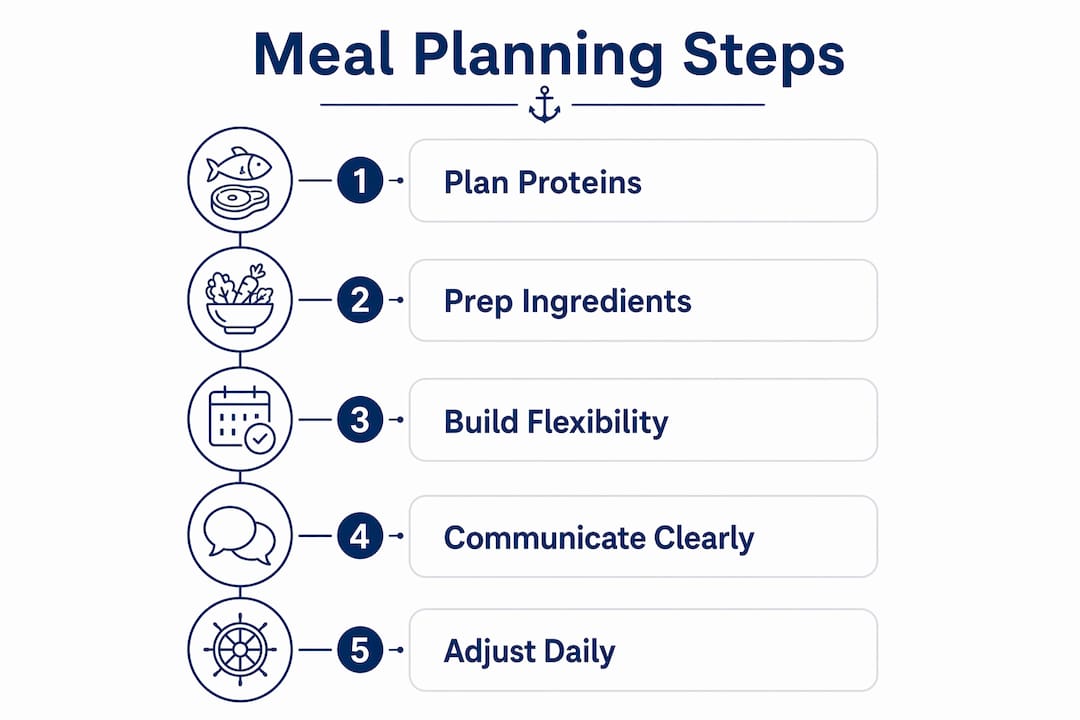
Your yacht itinerary shapes the menu more than most families realize. Ports in French Polynesia offer extraordinary fresh tuna and tropical fruit. Alaskan anchorages deliver wild salmon and Dungeness crab. Planning route-based menus around local ingredient availability at each stop adds authenticity and freshness that no amount of pre-provisioning can replicate.
A practical framework for a seven-day charter looks like this:
- Plan for 7 breakfasts on board. Breakfast is almost always served aboard, so provision fully for every morning.
- Plan for 6 lunches on board. One midday meal ashore is realistic for most itineraries.
- Plan for 3–4 dinners on board. The remaining evenings allow for restaurant experiences at port.
- Build cold, no-cook lunches for sailing days. Wraps, cold cuts, cheese boards, and fruit platters require no heat and no galley time.
- Identify two or three anchor ports for fresh provisioning. Mark these on the itinerary so the chef can plan restocking runs.
Pro Tip: Mise en place, the practice of prepping all ingredients before cooking begins, is even more critical on a yacht than in a restaurant kitchen. Ask your chef to prep vegetables, marinate proteins, and portion snacks each morning. This keeps the galley organized and meals fast, even when conditions change.
What family-friendly meal ideas work best on yachts?
The best yacht meals for families balance simplicity with quality. They require minimal active cooking time, use ingredients that store well, and appeal to both adults and children. The goal is food that feels special without demanding hours of galley work.
Breakfast options
Breakfast service style is one of the first preferences to communicate to your chef. Options range from a full buffet spread to plated orders, continental baskets, or fresh smoothie stations.
- Buffet style: Yogurt, granola, fresh fruit, pastries, and eggs cooked to order
- Plated service: Avocado toast with poached eggs, French toast with local fruit compote
- Continental: Bread, butter, jam, cheese, and cold cuts for quick mornings before excursions
- Smoothie station: Blended tropical fruits, protein powder options, and fresh juices
Lunch ideas
Cold, assemble-only lunches are the gold standard for sailing days. They keep everyone comfortable, require no cooking, and can be set out quickly between maneuvers.
- Charcuterie and cheese boards with crackers and olives
- Build-your-own wraps with hummus, roasted vegetables, and sliced turkey
- Caprese salads with fresh mozzarella and tomatoes
- Poke bowls using pre-marinated fish from the previous evening's dinner
Dinner concepts
Dinners on board are where the chef's creativity shines. The protein rotation drives the structure, but presentation and sides create the experience.
- Grilled catch of the day with roasted local vegetables and herb butter
- Chicken thighs braised in white wine with olives and capers, served over couscous
- Vegetarian shakshuka with crusty bread and a simple green salad
- Pasta night with fresh tomato sauce, which children almost universally enjoy
Incorporating local cuisine at dinner adds a sense of place that families remember long after the trip. A Galápagos charter might feature locally caught yellowfin tuna. A French Polynesia voyage might include a traditional poisson cru prepared with fresh coconut milk.
How to effectively communicate meal preferences with the yacht crew
Clear communication with your chef before departure is the single most effective thing you can do to improve onboard dining. A vague "we eat everything" response makes high-quality service nearly impossible. Preference sheets specifying protein rotations and breakfast styles give the chef the information needed to provision accurately and time service well.
The role of a crewed yacht chef goes well beyond cooking. A skilled chef manages provisioning budgets, coordinates with local suppliers, and adjusts menus in real time based on guest feedback. The more context you provide upfront, the better that coordination works.
Key items to include on your preference sheet:
- Protein rotation preferences: Which proteins, how often, and any hard dislikes
- Breakfast style: Buffet hours, plated service windows, or continental-only mornings
- Children's specific needs: Favorite meals, textures they avoid, and portion sizes
- Dietary restrictions: Allergies, intolerances, and any religious dietary requirements
- Shore dining plans: Which evenings you plan to eat at restaurants, so the chef avoids over-provisioning
Planning shore-side dinners in advance allows the chef to adjust the onboard schedule and reduce waste. Letting the chef know on Monday that Thursday is a restaurant night means no perishables are prepped unnecessarily for that evening.
Pro Tip: Request a brief check-in with your chef each morning. A five-minute conversation about the day's plans, including any late snacks or early breakfasts before excursions, keeps service smooth and prevents the crew from being caught off guard.
What are common mistakes in family yacht meal planning?
Most meal planning problems on yachts come from treating the galley like a home kitchen. The constraints are different, the supply chain is unpredictable, and the guests are often tired from a full day on the water.
- Planning every meal in rigid detail. A fixed 21-meal menu fails the moment one ingredient is unavailable at port. Rotation-based planning adapts; rigid menus do not.
- Over-provisioning perishables. Grouping perishables by shelf life and planning accordingly prevents the waste that comes from buying too much fresh produce at the start of a charter.
- Underestimating cooking difficulty underway. Hot food prepared on a moving boat in rough conditions risks seasickness for both crew and guests. Cold lunches and simple dinners on passage days are the practical choice.
- Ignoring children's tastes. A menu built entirely around adult preferences creates mealtime stress. One child-friendly option at every dinner removes conflict without limiting adult choices.
- Failing to coordinate meals with shore excursions. A full dinner provisioned for a night when the family eats ashore is food and money wasted. Share your excursion schedule with the chef at the start of the trip.
Key Takeaways
Successful family meal planning on a yacht requires protein rotation, galley-aware flexibility, and clear communication with your chef before and during the charter.
| Point | Details |
|---|---|
| Use protein rotation | Assign protein types by night (fish, chicken, vegetarian) rather than planning exact dishes. |
| Plan cold lunches for sailing days | Assemble-only meals prevent seasickness and keep the galley free during passages. |
| Follow a realistic meal rhythm | Plan for 7 breakfasts, 6 lunches, and 3–4 dinners on board to account for shore dining. |
| Submit a detailed preference sheet | Specify protein rotations, breakfast style, and children's needs before departure. |
| Coordinate shore dining in advance | Tell your chef which evenings you plan to eat ashore to avoid over-provisioning perishables. |
What I've learned from watching families eat well at sea
The families who enjoy the best meals on charter are almost never the ones who planned the most. They are the ones who planned the most flexibly. I have seen meticulously detailed menus fall apart by day two because a market was closed or the weather pushed the boat off course. The families who briefed their chef on protein preferences and breakfast habits, then stepped back and trusted the process, consistently ate better.
One insight that surprises most families: involving children in the meal conversation before the trip pays off enormously on board. When kids have chosen one dinner from the rotation, they arrive at the table with ownership rather than resistance. It is a small thing that changes the entire dynamic.
The other lesson is about simplicity. The most memorable meals I have seen served on crewed yachts were not the most elaborate. A perfectly grilled piece of local fish, eaten at anchor as the sun drops behind a volcanic island, needs nothing else. Chefs who work within crewed yacht dining understand this. The setting does half the work. Let the food be honest and fresh, and the experience takes care of itself.
— Mo
How Exoticacharters supports family dining on luxury charters
Exoticacharters works with fully crewed yachts where professional chefs handle every aspect of onboard dining, from provisioning at remote ports to adapting menus for children with specific preferences. The team, built from former captains and water sports professionals, understands that great food is inseparable from a great charter experience.
Families planning a charter to the Galápagos, French Polynesia, or Alaska will find that Exoticacharters' luxury yacht fleet includes vessels specifically suited to family dining, with galleys designed for full meal service and chefs experienced in flexible, rotation-based planning. Speak with an Exoticacharters specialist to discuss your family's preferences and build a charter where every meal feels as extraordinary as the destination itself.
FAQ
What is protein rotation in yacht meal planning?
Protein rotation assigns protein types to specific nights rather than planning exact dishes. A typical rotation runs fish three nights, chicken two nights, and vegetarian one night, giving the chef flexibility to source fresh local ingredients at each port.
How many meals should I plan for a week-long yacht charter?
A practical rhythm is 7 breakfasts, 6 lunches, and 3–4 dinners on board. The remaining meals account for dining ashore, which most families do at least two or three times during a seven-day charter.
What should I include on a meal preference sheet for my yacht chef?
A preference sheet should cover protein rotation preferences, breakfast service style, children's favorite meals and any foods they avoid, dietary restrictions or allergies, and which evenings the family plans to dine ashore.
Why are cold lunches recommended on sailing days?
Cooking on a moving boat increases the risk of seasickness for both crew and guests. Cold, assemble-only lunches such as wraps, cheese boards, and salads keep everyone comfortable and require no galley heat during passages.
How far in advance should I communicate meal preferences to the yacht crew?
Share your preference sheet at least two weeks before departure. This gives the chef time to plan provisioning, source specialty ingredients, and coordinate with local suppliers at your first port of call.