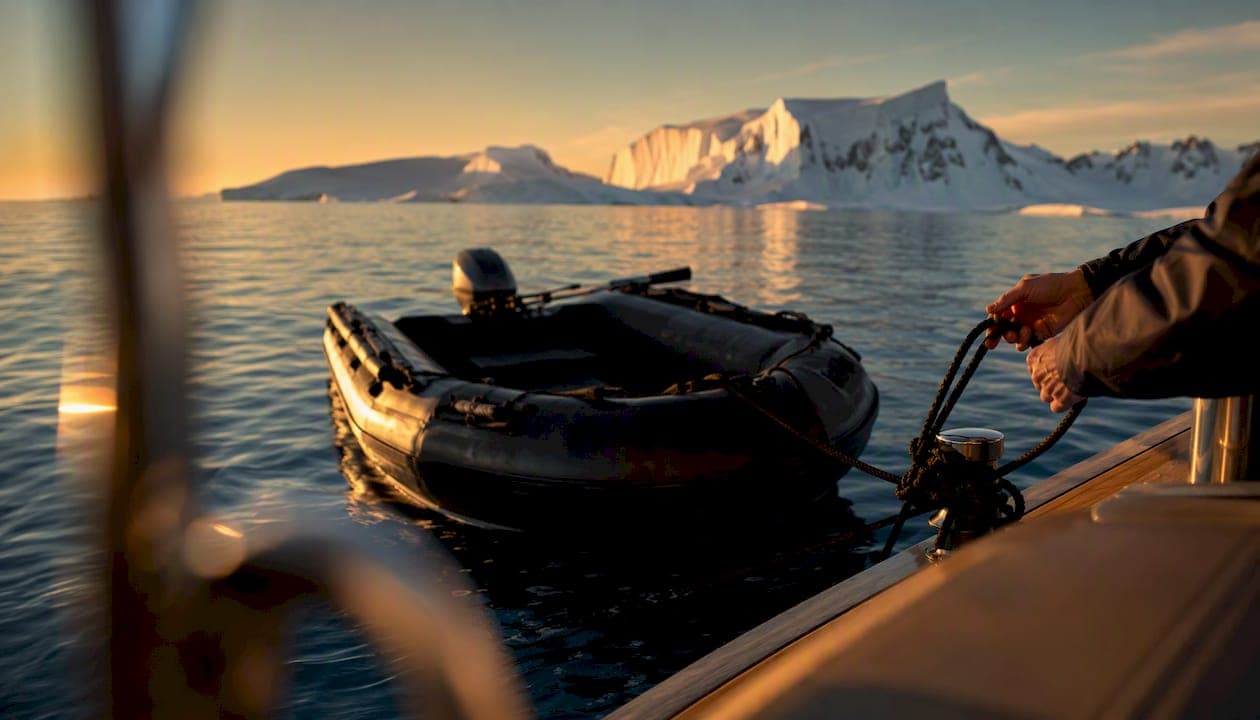
Yes, private expedition yacht charters to Antarctica and the Arctic are available right now for luxury travelers who want exclusive, expert-led access to the world's most dramatic wilderness. A polar yacht charter expedition differs from a standard expedition cruise in one fundamental way: the yacht is entirely yours. Your group sets the pace, chooses the anchorages, and moves when conditions favor it, rather than when a ship's schedule demands it. Guest counts typically run from a small number of passengers, which means zodiac landings happen without queues, wildlife encounters feel genuinely intimate, and the onboard atmosphere is closer to a private house party than a floating hotel.
- Private charters offer fully bespoke itineraries, unlike fixed-route expedition cruises
- Expert crews include former captains, certified naturalists, and polar guides
- Vessels are purpose-built or heavily reinforced for ice navigation
- Both Antarctic and Arctic regions are accessible within defined seasonal windows
- Permits, IAATO compliance, and evacuation planning are handled by the operator
Pro Tip: Contact Exoticacharters early in your planning process, ideally 12–18 months before your preferred travel dates, to secure the right vessel and lock in peak-season availability before the best yachts are committed.
Key Takeaways
Private polar expedition yacht charters are available for luxury travelers today, with the right vessel, verified ice-class certification, and an experienced polar crew making the difference between a safe, extraordinary voyage and an avoidable risk.
| Point | Details |
|---|---|
| Ice class is the primary safety criterion | Confirm the vessel's ice-class notation and classification certificate before any other evaluation step. |
| Pricing starts around $80,000 per week | Rates reach $300,000+ for vessels with helicopter or submersible support; private flights and gratuities are additional. |
| Book 12–18 months ahead for peak season | Antarctic season (December–January) and peak Arctic months (July–August) commit the best vessels well in advance. |
| IAATO membership signals Antarctic compliance | Verify IAATO membership directly for any Antarctic operator before signing a charter agreement. |
| Exoticacharters matches groups to verified polar yachts | Contact Exoticacharters with group size, dates, and activity priorities to receive a tailored vessel shortlist. |
Table of Contents
- Why a private polar expedition yacht beats other polar travel options
- Where can you go? Top polar destinations and when to visit
- What daily life looks like on a polar expedition yacht
- What does a polar expedition charter cost, and when should you book?
- How to evaluate and choose the right polar expedition yacht
- Safety, permits, and responsible travel in polar regions
- How Exoticacharters approaches luxury polar expeditions
- Exoticacharters can match you with the right polar expedition yacht
- Sources
Why a private polar expedition yacht beats other polar travel options
The honest answer is that privacy changes everything in polar regions. On a private charter, a zodiac loaded with just your group can hold position at a penguin rookery for as long as the wildlife cooperates. On a large expedition cruise, the same landing is timed to the minute. That distinction shapes the entire experience.
Beyond the obvious exclusivity, a private full-yacht charter gives you genuine itinerary flexibility. If ice conditions open a rarely visited bay, your captain can divert. If your group wants a second morning at a particular glacier, you stay. That kind of responsiveness is simply not possible on a vessel carrying 100 or more passengers.
The onboard service level also scales differently. A private polar yacht typically carries a dedicated expedition leader, a certified naturalist, and a full hospitality crew, all focused on a single group. Meals are prepared to your preferences, wine lists are curated in advance, and the daily rhythm bends to your group's energy rather than a published schedule.
- Privacy and exclusivity: no shared landings, no strangers at the dinner table
- Bespoke itinerary: routes adjusted in real time based on ice, weather, and your interests
- Intimate wildlife access: smaller zodiac groups mean closer, quieter encounters
- Elevated comfort: private cabins, chef-prepared dining, and spa facilities on premium vessels
- Dedicated expert team: expedition leader and naturalist focused entirely on your group
Pro Tip: When evaluating operators, look beyond the marketing language. Ask specifically whether the expedition leader is a permanent crew member or a freelance contractor brought on per voyage. A permanent leader who knows the vessel and the region is a meaningfully different asset.
Where can you go? Top polar destinations and when to visit
Antarctica and the sub-Antarctic islands
The Antarctic Peninsula is the most accessible part of the continent, reachable via Punta Arenas, Chile, with private flights to King George Island before boarding your yacht. The Peninsula offers extraordinary density of wildlife and scenery: penguin rookeries at Brown Bluff and Port Lockroy, dramatic ice-shelf passages, and the possibility of crossing the Antarctic Polar Circle on longer voyages. South Georgia, roughly 1,400 miles east of the Falklands, adds vast king penguin colonies and the grave of Ernest Shackleton. The South Shetland Islands serve as a natural staging point for many itineraries.
The Antarctic season runs from late November through early March. December and January deliver the longest daylight hours and the most stable weather; February brings calving glaciers and the first penguin chicks. Outside this window, sea ice makes most of the Peninsula inaccessible to all but the most heavily reinforced vessels.
Svalbard and Arctic Norway
Svalbard sits at roughly 78° North and is one of the few places on earth where polar bears outnumber people. The Arctic and Nordic yacht charter season runs from late May through September, with July and August offering the most reliable open water and 24-hour daylight. Longyearbyen is the primary embarkation point. Signature experiences include pack-ice edges where polar bears hunt, walrus haul-outs, and fjords carved by glaciers that still calve actively into the sea.
Greenland
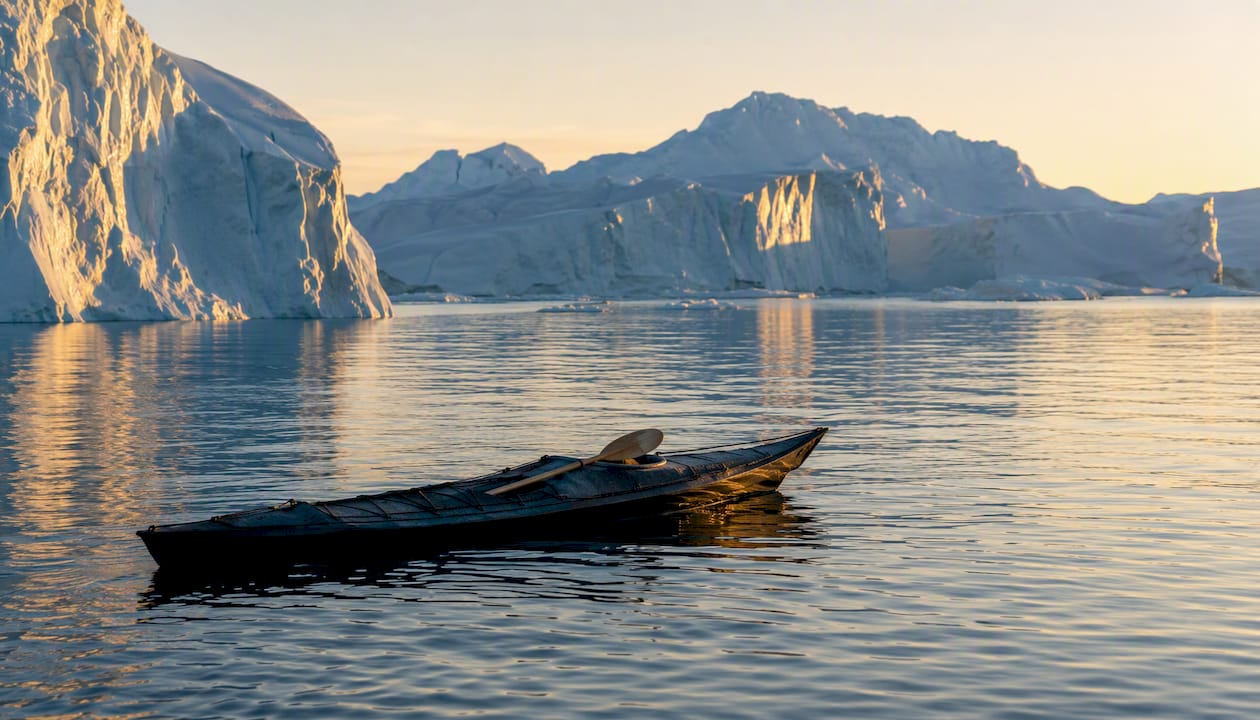
Greenland's west coast, particularly the Ilulissat Icefjord (a UNESCO World Heritage Site), produces some of the most dramatic iceberg scenery on the planet. Nuuk and Ilulissat are the main embarkation points. The season mirrors Svalbard's, with July and August the most accessible months. Inuit cultural encounters, humpback whale feeding grounds, and musk ox sightings on shore add layers that pure ice destinations cannot match.
High-latitude Canadian Arctic
The Canadian Arctic, including Baffin Island and the Northwest Passage, attracts travelers seeking genuine remoteness. Narwhal, beluga, and bowhead whales share these waters with polar bears and Arctic foxes. The window is narrow, typically late July through early September, and logistics are complex, but the reward is an itinerary that very few travelers have ever completed.
| Destination | Best months | Embarkation point | Signature experience |
|---|---|---|---|
| Antarctic Peninsula | November–March | Punta Arenas / King George Island | Penguin rookeries, ice-shelf passages |
| South Georgia | November–February | Stanley (Falklands) | King penguin colonies, Shackleton's grave |
| Svalbard | June–September | Longyearbyen | Polar bears, pack ice, midnight sun |
| Greenland (west coast) | July–August | Nuuk / Ilulissat | Icefjord icebergs, Inuit culture |
| Canadian Arctic | Late July–September | Resolute / Pond Inlet | Northwest Passage, narwhal, beluga |
Naturalists on board can help you read what wildlife to expect at each destination and in each season, which matters more in polar regions than almost anywhere else.
What daily life looks like on a polar expedition yacht
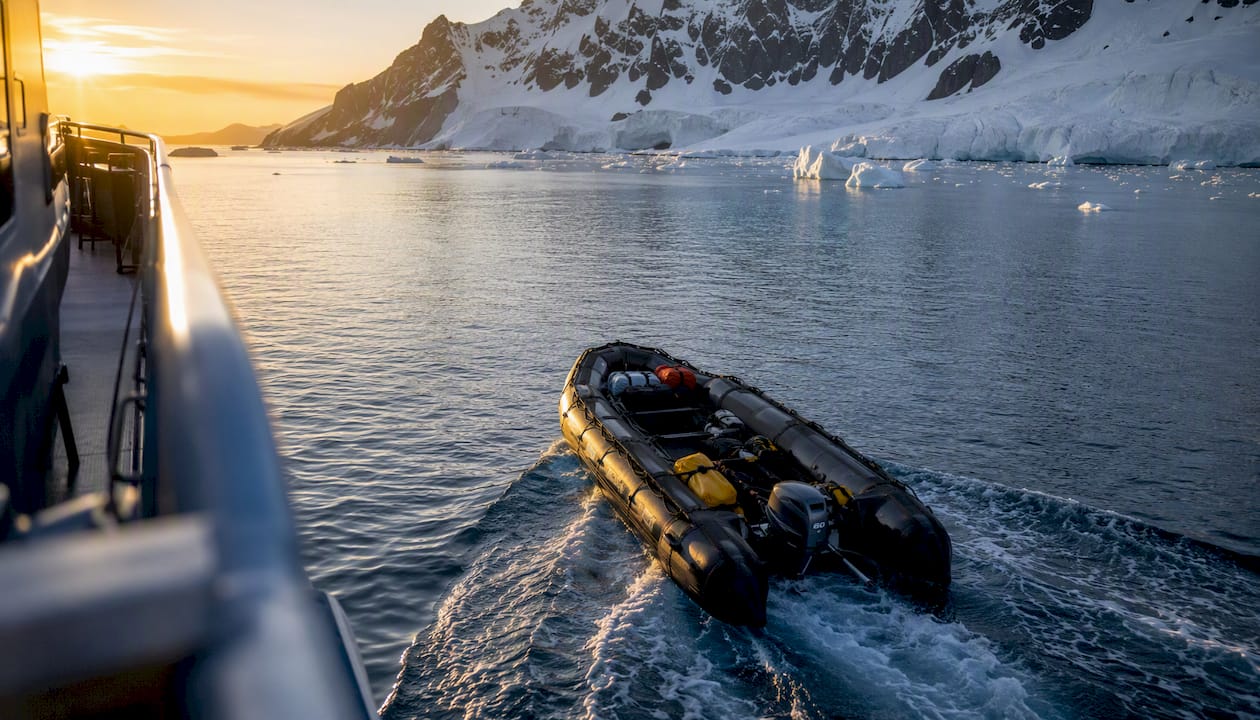
The rhythm of a polar charter is shaped by light, weather, and wildlife, not a fixed timetable. A typical day begins with a morning briefing from the expedition leader, who reviews ice and weather conditions, outlines the day's landing sites, and sets safety protocols for shore visits. Zodiac excursions usually run twice daily, with the most dramatic landings often happening in the early morning when light is extraordinary and wildlife is most active.
Afternoons often include a presentation from the naturalist, covering local ecology, glaciology, or the history of polar exploration. Evenings are for dining, debriefing the day's encounters, and planning the next morning's route. On longer voyages, at-sea days between destinations become an opportunity for lectures, photography workshops, or simply watching the ocean from the deck.
Activities available on a polar charter
- Zodiac landings at penguin colonies, glacier fronts, and historic huts
- Sea kayaking among icebergs and along fjord walls
- Guided shore walks with the naturalist or expedition leader
- Wildlife photography from both the yacht and zodiacs
- Scuba diving in polar waters (available on select vessels with appropriate equipment)
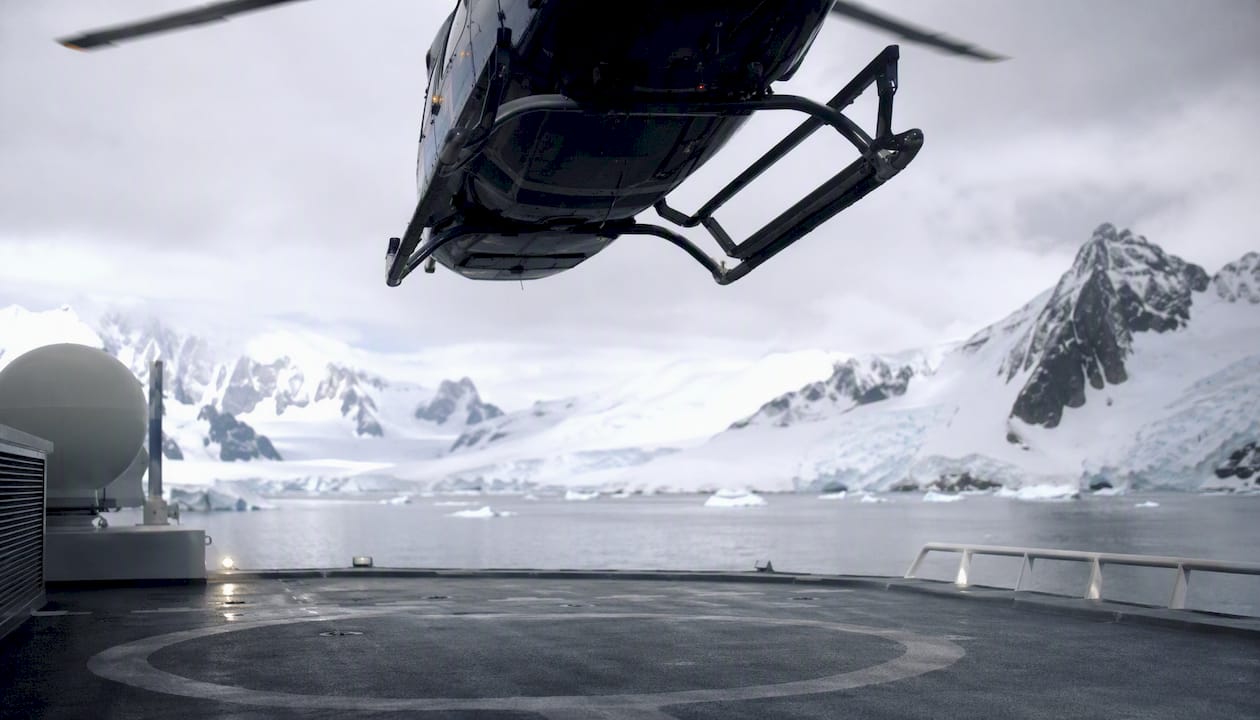
- Helicopter excursions for aerial glacier views (vessel-dependent)
- Submersible dives for underwater ice exploration (on premium vessels)
Sample 12-day Antarctic itinerary
- Fly Punta Arenas to King George Island; board yacht and depart south
- Drake Passage transit; naturalist lectures on Antarctic ecology
- South Shetland Islands: Deception Island volcanic caldera landing
- Antarctic Peninsula: Neko Harbour glacier landing and zodiac cruise
- Lemaire Channel transit; humpback whale watching from the deck
- Port Lockroy historic British base; gentoo penguin colony
- Wilhelmina Bay: zodiac cruise among humpback feeding grounds
- Brown Bluff: Adélie and chinstrap penguin rookery
- Antarctic Polar Circle crossing (weather and ice permitting)
- At-sea day; photography workshop and debrief
- Drake Passage return transit
- Disembark King George Island; fly to Punta Arenas
Onboard amenities on premium polar yachts typically include en-suite cabins for a small group of guests, a chef-prepared dining room, a sauna (particularly common on Arctic-configured vessels), a well-stocked library of polar reference material, and a medical bay with emergency equipment. Some vessels add a spa treatment room and a dedicated dive preparation area.
What does a polar expedition charter cost, and when should you book?
Private polar expedition charters are among the most expensive yacht experiences available, and the pricing reflects genuine operational complexity. A reasonable framework: weekly charter rates for a well-equipped polar expedition yacht typically start at high five-figure amounts and can reach several hundred thousand dollars or more for the largest, most capable vessels with helicopter or submersible support. The Antarctic season commands a premium over comparable Arctic voyages because of the greater distance, more complex permitting, and higher fuel consumption.
What is typically included:
- Full crew (captain, officers, chef, stewards, expedition leader, naturalist)
- All meals and standard beverages
- Zodiac excursions and guided shore landings
- IAATO permit fees for Antarctic operations
- Basic safety and emergency equipment
What is typically excluded:
- Private charter flights to embarkation points (Punta Arenas, Longyearbyen, Nuuk)
- Premium wines and spirits beyond the standard selection
- Helicopter or submersible excursions (billed separately when available)
- Personal gear (cold-weather clothing, waterproof boots, dry bags)
- Crew gratuities (typically 10–15% of the charter fee)
- Comprehensive travel and medical evacuation insurance
Getting to remote embarkation points is itself a significant logistical step. Private flights and transfer arrangements to King George Island or Longyearbyen add cost but also add flexibility and privacy that commercial routing cannot match.
| Planning milestone | Recommended lead time |
|---|---|
| First inquiry and vessel shortlist | 18–24 months before departure |
| Signed charter agreement and deposit | 12–18 months before departure |
| Final payment and permit confirmation | 3–6 months before departure |
| Pre-trip medical and gear preparation | 6–8 weeks before departure |
| Typical voyage length | 10 days |
Peak Antarctic season (December–January) books out fastest. Practical charter tips for luxury travelers consistently emphasize confirming medevac coverage and clarifying all inclusions before signing, not after.
How to evaluate and choose the right polar expedition yacht
Safety and operational competence are the only criteria that matter first. A beautiful yacht with inadequate hull reinforcement or an inexperienced crew is a liability in polar waters, not an asset. Everything else, the amenities, the itinerary, the price, comes second.
The evaluation checklist, in priority order
- Ice class and hull reinforcement: confirm the vessel's ice-class notation (DNV, Lloyd's, or Bureau Veritas classifications). An ice-class expedition yacht has a reinforced hull, strengthened bow, and redundant propulsion systems designed for contact with brash ice and bergy bits.
- Range and fuel autonomy: polar regions offer no fuel stops. A vessel should carry sufficient fuel for the planned itinerary plus a meaningful safety reserve.
- Redundant systems: dual engines, backup navigation, and independent power generation are non-negotiable in waters where a mechanical failure cannot be resolved by a nearby marina.
- Medical and evacuation capability: confirm the onboard medical kit, the qualifications of the crew member responsible for medical emergencies, and the operator's documented medevac protocol.
- Expedition staff credentials: the expedition leader and naturalist should have verifiable polar experience, ideally including IAATO-recognized Antarctic operations or equivalent Arctic credentials.
- Vessel capacity vs. your group: a yacht rated for 12 guests that you charter for 8 gives everyone more space and more zodiac flexibility than one running at full capacity.
- Onboard equipment: zodiacs, kayaks, and dive support are standard on well-configured polar yachts; helicopter and submersible capability are premium additions worth confirming early.
Questions to ask every operator
- What is the vessel's specific ice-class notation, and can you provide the classification certificate?
- What is the documented medevac protocol, and which coast guard or rescue coordination center covers the planned route?
- What insurance does the operator carry, and what does your charter contract require of guests?
- Can you share sample itineraries from recent polar voyages on this specific vessel?
- What are the cancellation and force majeure terms, particularly for weather-related diversions?
- How long has the current captain been operating in polar waters?
Red flags to watch for
- Vague or evasive answers about ice-class certification
- No dedicated expedition leader listed as a permanent crew member
- Unclear or absent medevac documentation
- No evidence of IAATO membership or equivalent Arctic operator affiliation
- Crew bios that list warm-water experience only
Trust signals worth verifying
- Published expedition logs or voyage reports from previous polar seasons
- Crew bios naming former captains with polar certifications and naturalists with field credentials
- IAATO membership (mandatory for Antarctic operations) or membership in relevant Arctic operator associations
- Verified client reviews on Trustpilot or TripAdvisor, cross-referenced to the specific vessel
Pro Tip: Ask for the captain's polar CV specifically, not just the company's general credentials. A captain with 10 Antarctic seasons on record is a fundamentally different proposition from one completing their first polar voyage.
Safety, permits, and responsible travel in polar regions
Safety and environmental compliance are not optional extras in polar expedition planning. They drive every operational decision, from route selection to landing protocols to the daily guest briefing.
Safety checklist for polar travelers
- Complete a pre-trip medical screening and confirm fitness for remote travel
- Obtain comprehensive travel insurance that explicitly covers medical evacuation from polar regions (standard travel policies typically do not)
- Confirm the operator's documented emergency medevac plan and the nearest rescue coordination center
- Pack personal medications for the full voyage plus a meaningful buffer
- Follow all crew safety briefings, particularly for zodiac boarding and shore landings on unstable terrain
Environmental rules and best practices
Antarctica operates under the Antarctic Treaty System, and commercial operators working there are expected to follow IAATO guidelines. These cover minimum wildlife approach distances (typically 5 meters for penguins, greater for seals and whales), strict waste management protocols, biosecurity measures to prevent the introduction of non-native species, and limits on the number of passengers ashore at any one time. Arctic operations follow comparable guidelines set by regional bodies and national park authorities in Norway, Greenland, and Canada.
- No food or organic material ashore
- Boots and outer gear must be decontaminated between landings
- Drone use is restricted or prohibited at most wildlife sites
- Fuel and waste management standards are contractually required of operators
IAATO membership is the clearest single signal that an Antarctic operator takes these obligations seriously. Verify it directly on the IAATO website before signing a charter agreement.
Medical and evacuation considerations
Polar regions are remote by definition. The nearest hospital-level care from the Antarctic Peninsula is typically in Punta Arenas, several days' sailing away. Medical evacuation by air is possible in some conditions but is weather-dependent and extremely expensive without dedicated coverage. Travelers with significant cardiovascular conditions, recent surgery, or limited mobility should discuss suitability with both their physician and the operator before committing. Age alone is not a disqualifier; fitness level and medical history matter far more.
How Exoticacharters approaches luxury polar expeditions
Exoticacharters operates as a specialist luxury yacht charter marketplace, matching clients with fully crewed expedition yachts suited to polar regions and managing the logistics that make these voyages genuinely deliverable. The team includes former captains and water sports professionals who understand polar operations from the inside, not just from a brochure.
For Antarctic charters, Exoticacharters curates small-group itineraries built around vessels with verified ice-class ratings, dedicated expedition leaders, and naturalist staffing. Itineraries are designed to cover the Peninsula's signature sites while retaining the flexibility to respond to ice conditions and wildlife opportunities. A typical Antarctic voyage runs 12–18 days and departs from Punta Arenas or King George Island, with private flight arrangements coordinated as part of the booking process.
For Arctic voyages, the Arctic and Nordic charter program covers Svalbard, Arctic Norway, and Greenland, with embarkation from Longyearbyen or Nuuk depending on the itinerary. Vessel options range from purpose-built expedition yachts with reinforced hulls to premium motor yachts configured for high-latitude cruising.
Operational trust signals Exoticacharters provides:
- Crew bios include polar experience and former captain credentials
- Vessel specifications including ice-class notation, guest capacity, and onboard equipment
- Contractual insurance and medevac requirements built into every charter agreement
- IAATO-compliant Antarctic operations and equivalent Arctic operator standards
- Rated on Trustpilot, reflecting client feedback across expedition and luxury charter bookings
Exoticacharters handles the complexity of polar expedition logistics so that your group arrives at the embarkation point with everything confirmed: the vessel, the crew, the permits, the private transfers, and the safety protocols. The experience begins the moment you board.
Pro Tip: When you contact Exoticacharters, share your group size, preferred travel window, and any specific activities (diving, photography, helicopter excursions) upfront. This allows the team to match you with vessels that are genuinely configured for those activities rather than ones that simply list them as possibilities.
What we've learned from booking polar expeditions
One mistake we see repeatedly: travelers secure a beautiful vessel and then discover, weeks before departure, that their travel insurance does not cover medical evacuation from Antarctic waters. Standard policies almost universally exclude this. The fix is straightforward — specify polar or remote-region evacuation coverage when purchasing insurance, and confirm the operator's own medevac protocol in writing before signing the charter agreement. Do this first, before finalizing the itinerary, before choosing cabins, before anything else.
The second consistent pattern is underestimating lead time. The best polar expedition yachts, those with genuine ice-class ratings, experienced polar captains, and dedicated naturalists, are committed 12–18 months in advance for peak Antarctic season. Waiting until six months out narrows your options considerably.
Exoticacharters can match you with the right polar expedition yacht
Exoticacharters brings together the vessel expertise, operational knowledge, and expedition-planning depth that a polar voyage demands. Where a general charter broker hands you a list of boats, Exoticacharters matches your group's size, interests, and budget to vessels that are genuinely equipped for polar waters, with crews who have been there before.
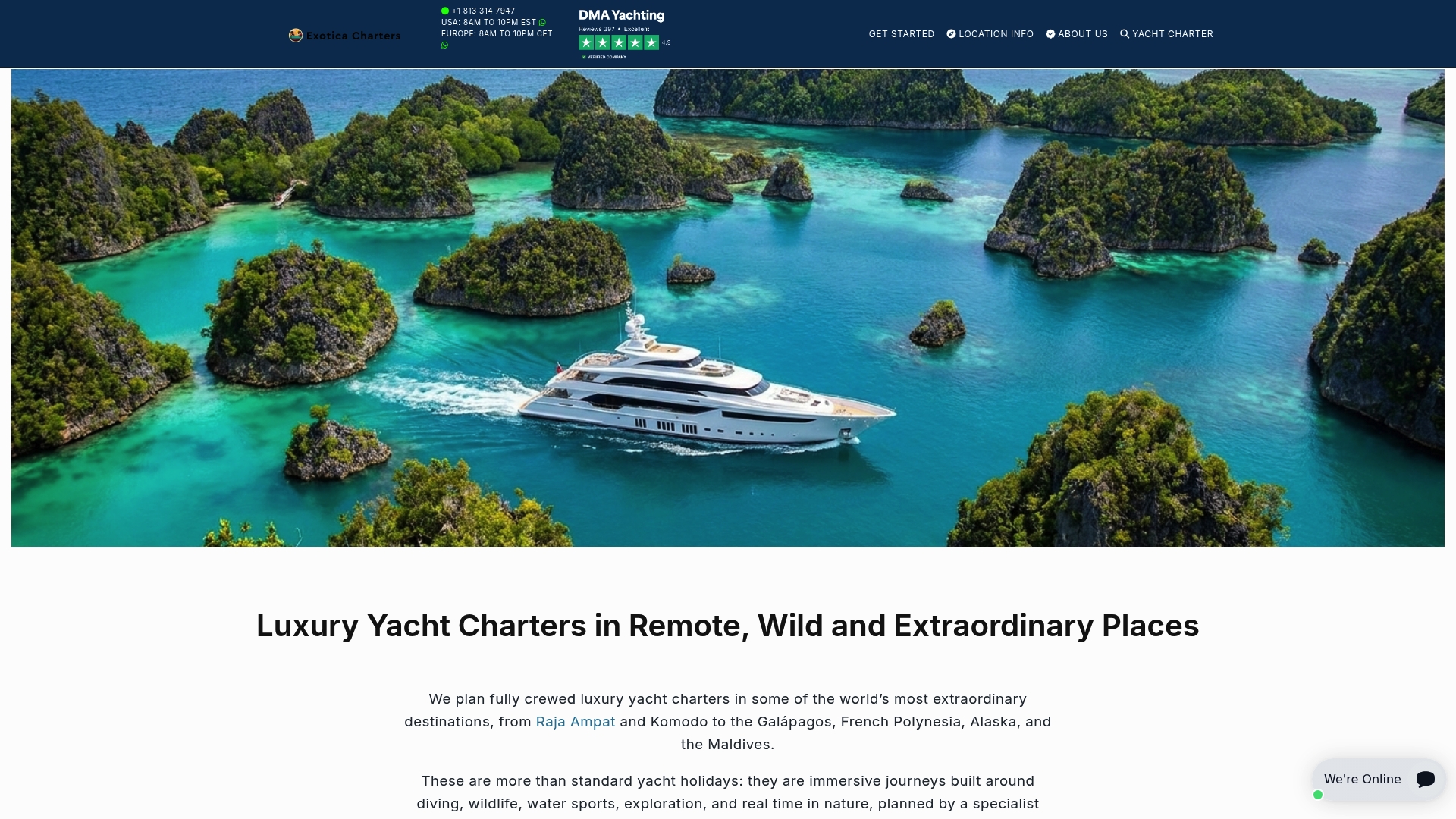
Share your group size, preferred dates, and any priority activities with the Exoticacharters team, and they will return a shortlist of luxury expedition yachts with verified polar credentials. Whether you are planning an Antarctic Peninsula voyage for eight guests or a Svalbard family expedition with helicopter support, the process starts with a single conversation. Reach out to Exoticacharters to request availability and a sample itinerary tailored to your group.
Sources
- Private Yacht Charters Antarctica | Blue Parallel