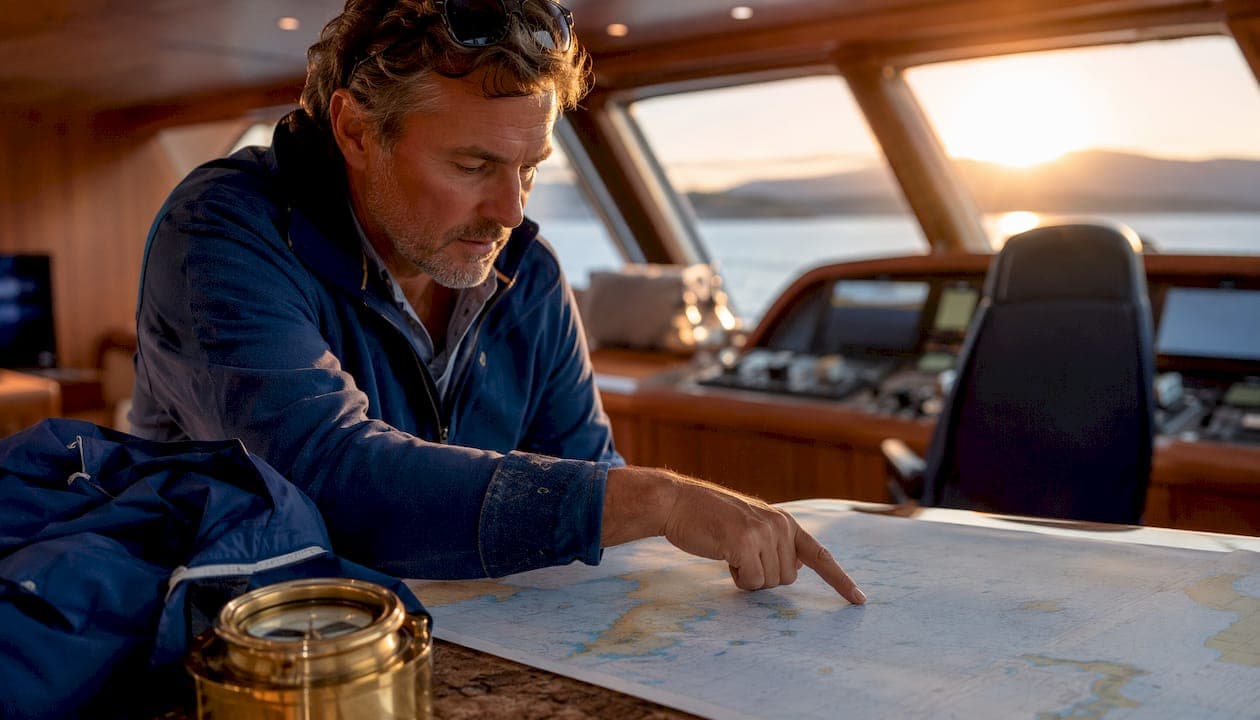
Private beach access via yacht is entirely practical on a fully crewed charter — provided the vessel carries the right tender and your captain has confirmed local landing permissions before you depart. The immediate next step: ask your broker to specify a beach-lander tender in writing and to verify restrictions with the U.S. Fish and Wildlife Service (USFWS) and the National Park Service (NPS) for your planned dates. Exoticacharters builds exactly this kind of pre-departure check into every expedition itinerary.
Table of Contents
- How does private beach access via yacht actually work?
- What vessel and tender features should you request for beach landings?
- What permits and protected-area rules apply to U.S. beach landings?
- How far ahead should you plan, and what drives the cost?
- What does a safe, comfortable shore landing look like?
- Which U.S. destinations suit private beach landings?
- Why does a fully crewed specialist make a real difference?
- Key Takeaways
- What we've learned planning beach-centric itineraries
- Plan your private beach-landing charter with Exoticacharters
- Useful sources and agency contacts
How does private beach access via yacht actually work?
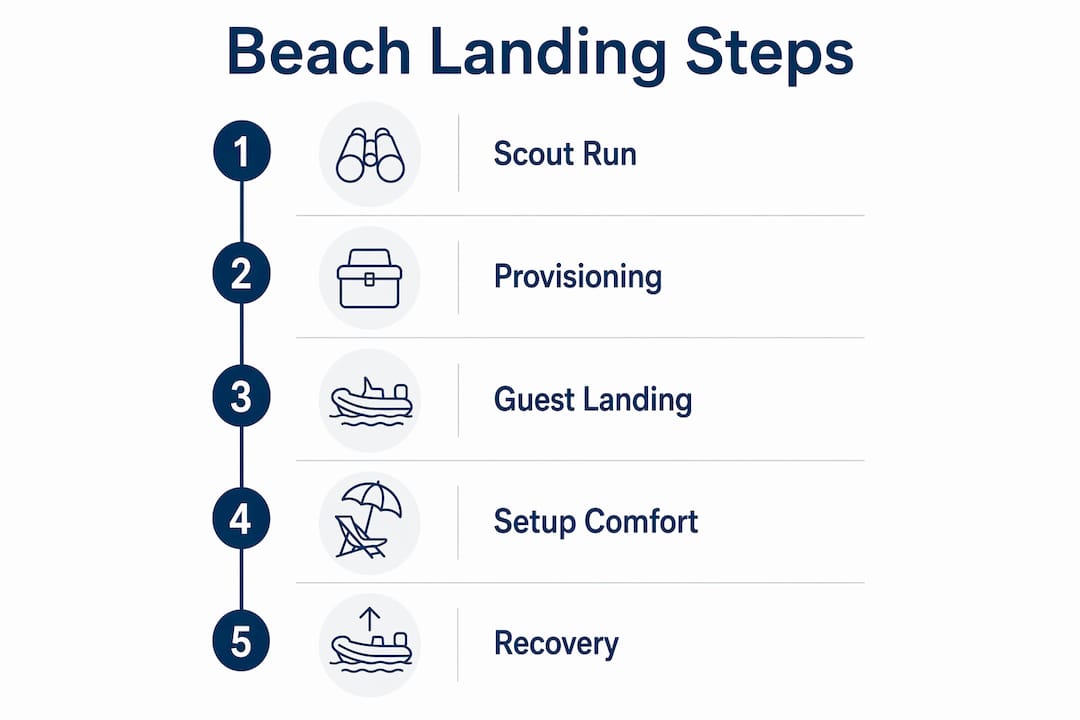
A shore landing is a coordinated sequence, not a spontaneous detour. The captain selects an anchorage based on tide window, wind direction, swell height, seabed composition, and any active wildlife protections. Once anchored, the crew runs a scout tender to check the approach channel, vegetation, unexpected debris, animal presence, and a clean exit route before any guest sets foot aboard the tender.
The on-the-day sequence typically runs: scout run, first crew/provisioning run to stage furniture and shade, guest landings, toy deployment, a scheduled shuttle cadence throughout the day, and a final recovery window before conditions change. Tides matter enormously here. A gently sloping tidal flat that offers a perfect dry landing at low water can become a knee-deep wade at high tide, while a steep shingle shore works best at high water when the tender can nose directly onto the beach.
Seasonal wildlife protections can close a beach entirely, not just restrict activities. Crab Bank near Charleston, South Carolina, is a well-known example: nesting closures run from March 15 through October 15, meaning captains must route around it or shift to intertidal observation only during those months. Destinations are selected daily based on tides, wind, and exactly these kinds of protections.
What vessel and tender features should you request for beach landings?
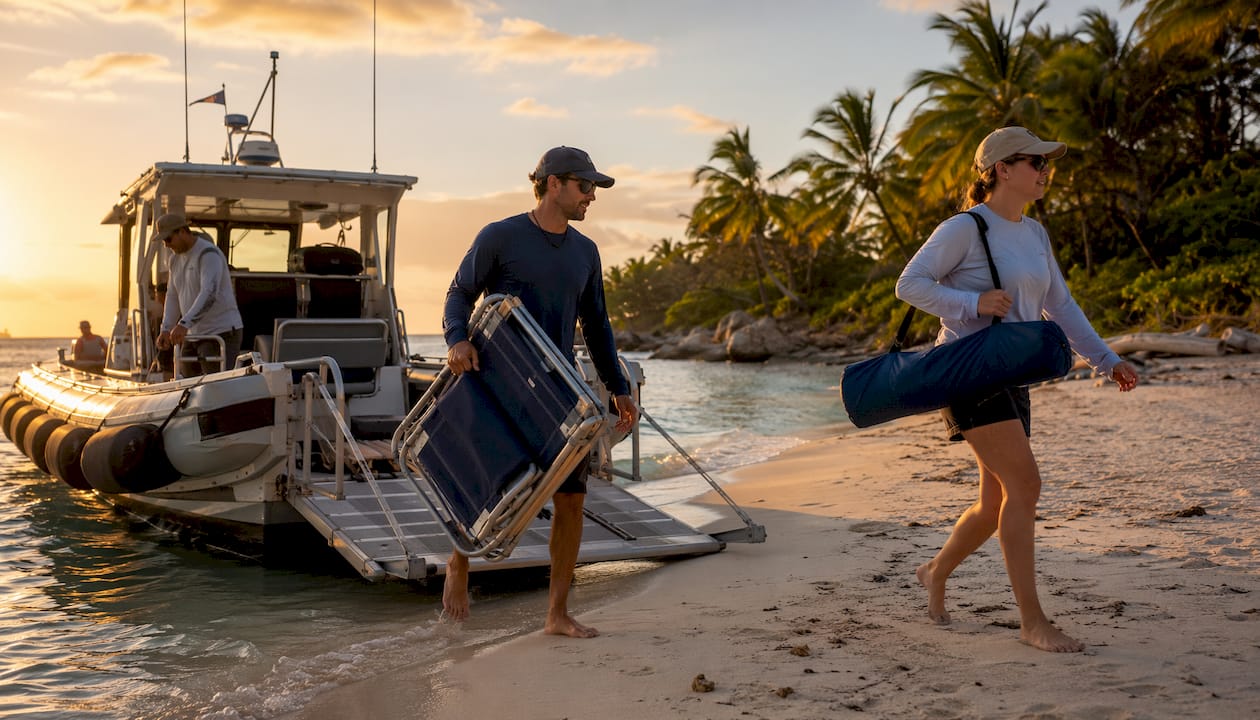
The tender choice is the single most consequential decision in a beach-centric charter. A beach lander drives bow-first onto sand, drops a ramp, and delivers guests and gear dry onto the beach — something a conventional stern-boarding limo tender simply cannot do. For guests with mobility needs, a ramped beach lander permits step-free shore transfers that no other tender design matches.
| Tender Type | Dry Landing | Accessibility | Cargo Capacity | Best Use |
|---|---|---|---|---|
| Beach lander (bow ramp) | Yes | Step-free ramp | High | Guest landings, provisioning, toys |
| Stern-boarding tender | No | Step transfer | Medium | Yacht-to-yacht, marina runs |
| Limo/luxury tender | No | Step transfer | Low | Guest comfort, short transfers |
| Amphibious design | Yes | Variable | Medium | Extreme shallow water, rocky shores |
Beyond the tender itself, request these features when reviewing a vessel:
- Beach lander with bow ramp — specified in writing in the charter contract
- Crane or davit launch capacity matched to the beach lander's loaded weight
- Swim-platform clearance sufficient for tender recovery in a chop
- Stern davits for a second tender if the program runs simultaneous missions
- Shore-staging trolley and wheelable coolers for furniture and provisioning
- Portable shade structures and secure dry-bag storage
- VHF/handheld comms between landing officer and yacht
Pro Tip: Request the beach lander by make, model, or ramp specification in your charter contract. Last-minute tender swaps are common — a vague "suitable tender" clause gives the operator room to substitute a stern-boarding design that cannot deliver a dry landing.
A modular floating platform such as Yachtbeach offers a complementary option: when a shore landing is restricted or the anchorage is too deep for a dry beach, a modular inflatable platform off the stern creates a private floating beach club with pools, toy docks, and lounge space. Yachtbeach modules connect via a 12-point handle system and require crew time for assembly, so specify them at booking if you want a multi-day beach club setup.
What permits and protected-area rules apply to U.S. beach landings?
Landing permissions and seasonal protections are non-negotiable. Always confirm with the relevant authority before committing to a beach in your itinerary:
- USFWS — governs seabird sanctuaries and critical habitat; check for any Coastal Barrier Resources Act restrictions on your target shoreline
- National Park Service — national seashores (Cape Hatteras, Padre Island, Point Reyes) have specific landing zones and permit requirements
- State coastal agencies — South Carolina DNR, Florida DEP, and California Coastal Commission each have distinct landing rules and seasonal closures
- County and municipal authorities — some barrier island beaches require advance notice or a permit for private vessel landings, even outside protected areas
Ask your broker to obtain written confirmation or a documented "no objection" from the relevant agency before you sail to any protected shoreline. Wildlife protections can close a beach entirely, not just limit activities — and the closure calendar changes year to year.
How far ahead should you plan, and what drives the cost?
Plan earlier than you would for a standard cruise. Beach-centric itineraries require tender selection, agency clearances, and potentially extra crew time, all of which affect both lead time and budget. For peak-season programs, confirm 3–6 months ahead; for expedition yachts or custom Yachtbeach installations, allow 6–12 months.
The four cost items to watch when requesting quotes:
- Tender upgrade or specialty rental — a beach lander is not standard on every vessel; the upgrade or daily rental fee varies by size and specification
- Extra crew hours — scouting runs, shuttle cadence, and shore-staging add crew time beyond a standard day
- Yachtbeach installation — modular platforms require crew assembly time and a storage plan aboard; best priced at booking
- Landing fees, permits, and insurance riders — some protected areas charge a landing fee; your broker should itemize these separately from the base charter rate
Build a contingency line for weather-driven reboots: if wind or swell closes your primary beach, the tender may need additional fuel for an alternate run. A well-structured charter estimate separates these variables so you can see exactly what a beach program costs.
What does a safe, comfortable shore landing look like?
Safe landings start with a captain-approved approach plan and a crew briefing before every shore run. The landing officer runs the scout, confirms the pick-up and drop-off points, and communicates clearance back to the yacht before guests board the tender.
Guest safety checklist for every shore landing:
- Lifejackets available and fitted for non-swimmers and children
- Step-free boarding confirmed for any guest with mobility needs
- Crew first-aid kit and oxygen unit aboard the tender
- Clearly marked pick-up and drop-off points on the beach
- Recovery window scheduled into the day's timeline
Comfort staging makes the difference between a rushed excursion and a genuinely luxurious shore day. Wheelable coolers with chilled refreshments, dry towels and footwear change stations, sand-friendly furniture, and a shaded lounge area should all be pre-positioned by the crew run before guests arrive.
Pro Tip: Specify a crew drill for shore recovery in your pre-charter operations brief. Everyone aboard should know the timing for the last shuttle back to the yacht — weather windows close faster than guests expect.
Which U.S. destinations suit private beach landings?
Many U.S. coastlines accommodate private beach landings, but conditions and rules vary sharply by region:
- Lowcountry barrier islands, South Carolina — extraordinary wildlife (shorebirds, loggerhead sea turtles, bottlenose dolphins), but Crab Bank's nesting closure (March 15–October 15) demands alternate routing; best season is November through early March
- Gulf barrier islands, Alabama and Florida Panhandle — white-quartz sand, calm Gulf swells, and generally accessible tidal windows; check state park permit requirements for specific islands
- Florida Keys — rich marine life and sheltered anchorages; Florida DEP and Florida Keys National Marine Sanctuary rules govern landing zones and anchoring; coral protection is strict
- Pacific Northwest sheltered coves, Washington and Oregon — dramatic scenery, but tidal ranges are significant and weather windows are narrow; best for experienced expedition crews
- California coastal sandbars — California Coastal Commission rules apply; some beaches require advance permits for private vessel landings
Plan alternates and anchor close enough for a quick tender run if conditions change. A 15-minute tender ride from the anchorage to the beach is the practical outer limit for a comfortable guest shuttle.
Why does a fully crewed specialist make a real difference?
A specialist with former captains and water-sports professionals on staff materially increases the odds of a successful private beach program. They know which questions to ask before a deposit is accepted, and they carry the operational vocabulary to specify tenders, permits, and contingency plans in a charter contract.
When evaluating a broker or charter marketplace, look for:
- Former captains on staff who can assess vessel and tender suitability
- Water-sports professionals who understand shore-staging and toy logistics
- Verified Trustpilot ratings from guests who have completed expedition itineraries
- Vessel inventory across size categories (under 100ft, under 150ft, over 200ft) so the right platform is matched to your group
- Documented safety equipment and certifications for the vessels offered
- Expedition experience in remote destinations with wildlife protections in force
Exoticacharters specializes in exactly this kind of itinerary: tailored, fully crewed charters to remote destinations, with access to expedition-capable yachts and the operational depth to confirm tender type, shore permits, and contingency plans before you commit. Request a pre-charter operations brief that covers all three.
Key Takeaways
Private beach access via yacht requires the right tender, verified permits, and a specialist broker who confirms all three before your deposit clears.
| Point | Details |
|---|---|
| Specify the tender in writing | Request a beach lander with a bow ramp in your charter contract; vague clauses allow last-minute substitutions. |
| Check USFWS, NPS, and state rules | Seasonal closures like Crab Bank (March 15–October 15) can close a beach entirely; get written agency confirmation. |
| Build in lead time | Confirm 3–6 months ahead for peak season; allow 6–12 months for expedition yachts or Yachtbeach installations. |
| Budget the four cost drivers | Tender upgrade, extra crew hours, Yachtbeach installation, and landing permits should be itemized separately in your quote. |
| Use Exoticacharters as your specialist | Exoticacharters' team of former captains and water-sports professionals handles tender selection, permit checks, and expedition itinerary planning. |
What we've learned planning beach-centric itineraries
The part most charter guides skip is the permit conversation. Our operations team confirms tender type and agency checks before any deposit is accepted — not as a formality, but because a beach program built on an unverified anchorage is one weather window away from a very expensive day at sea with nowhere to land.
What we find, consistently, is that guests underestimate how much the tender shapes the entire experience. A beach lander turns a remote barrier island into a genuine destination; a stern-boarding tender turns it into a view from the water. The difference is not subtle. We also see clients arrive having researched the yacht extensively but having never asked about the tender. That is the question to lead with.
For wildlife-focused beach itineraries, the seasonal calendar is equally decisive. The best shore days we plan are the ones where the wildlife protection calendar and the tide window align — and that alignment takes months of advance work, not days.
Plan your private beach-landing charter with Exoticacharters
The clearest path to a private shore landing is a charter quote that names the tender, lists the permits, and prices the beach program as a line item. Exoticacharters' team of former captains and water-sports professionals handles all of it: initial route feasibility, tender allocation, agency clearances, and day-of operational roles, so you arrive at the anchorage with a plan rather than a hope.
To get started, browse the full yacht inventory and then contact the team with your dates, guest count, desired shore activities, and any accessibility requirements. For region-specific options, the location-filtered listings let you narrow by destination and vessel size. A specialist will confirm tender availability and permit requirements as part of the initial quote.
Useful sources and agency contacts
Before finalizing any beach-landing itinerary, consult these authorities and resources:
- U.S. Fish and Wildlife Service — ask about critical habitat designations, seabird sanctuary boundaries, and seasonal closure dates for your target coastline
- National Park Service — request landing zone maps, permit requirements, and allowed activities for national seashores
- State coastal agencies — South Carolina DNR, Florida DEP, and California Coastal Commission each publish landing rules; ask specifically about private vessel landings and seasonal wildlife closures
- Beach lander capabilities — review tender specifications and ramp designs before requesting a specific model in your contract
- Yachtbeach modular platforms — product configurations, assembly requirements, and crew installation guides for floating beach club setups
- Yacht beach club guide — a practical explainer on modular floating platforms and how charter operators deploy them
- Charter tips for luxury travelers — operational and guest-preparation advice relevant to beach-focused programs
When your itinerary crosses jurisdictional boundaries, such as landing on a private beach in a foreign territory, customs and immigration requirements apply; confirm entry and landing procedures with the relevant consulate or port authority as part of your pre-departure planning.