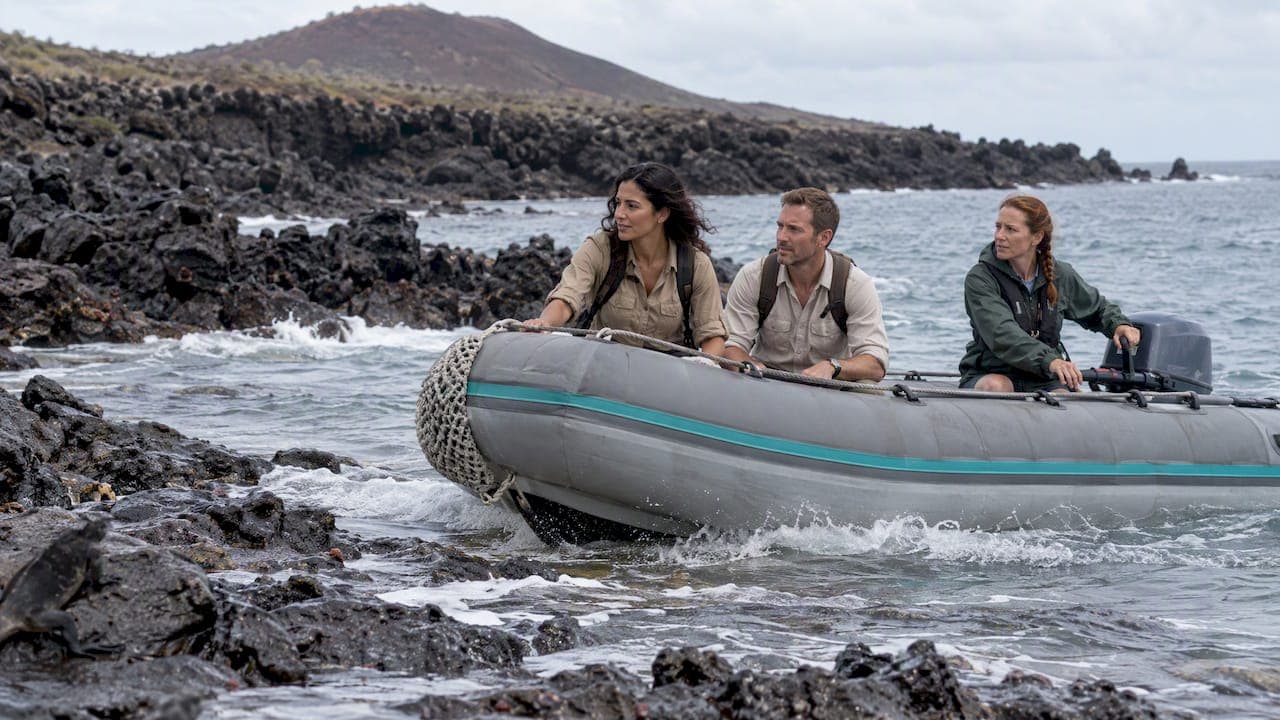
A tender adventure is any excursion you make from your yacht in its smaller support boat: a landing on a volcanic beach, a dawn run along a glacier face, a dive-site drop, a quiet hour among mangroves too shallow for the main vessel. On a crewed charter, the tender is what turns a beautiful floating base into a way of reaching places few travelers ever see. This guide explains what tenders are, which kinds exist, how tender days unfold in the destinations we know best, and the rules that protect wildlife while you are out there.
TL;DR
- A tender is the yacht's small boat for reaching shore, anchorages the yacht cannot enter and wildlife the yacht should not approach.
- The tender type matters: RIBs suit rough landings and diving, enclosed limousine tenders suit comfort and privacy, and jet tenders suit speed and fun.
- In protected areas such as Glacier Bay, the tender usually falls under the mother yacht's permit, so itinerary planning happens before you sail.
- Federal rules set minimum distances from whales that apply to tenders too, and a good captain plans the response before the first blow is spotted.
- Ask your charter specialist about the tender, its crew and its schedule before you book, not after.
Table of Contents
- What a tender is, and what it is not
- The tenders you will meet on a charter
- How a tender day actually unfolds
- Tender adventures in the Galápagos
- Tender adventures in Alaska
- Diving from the tender: Revillagigedo and beyond
- Wildlife rules every tender follows
- Our perspective: the tender is where the crew earns its keep
- Choosing a yacht with the right tender setup
- Plan your own tender adventures with us
- FAQ
- Sources
What a tender is, and what it is not
In maritime terms, a tender is an inflatable or rigid boat carried by the yacht and used to reach shore, reach parts of the vessel from outside, or run excursions. The commercial yacht code that defines it also draws two firm lines: a tender is not a liferaft, and it may not carry out commercial activity separate from the mother yacht. In practice that means the tender is part of your charter, crewed by your crew, and operated under the same rules and permits as the yacht itself.
That last point is why the word "adventure" fits. A tender is not a separate tour. It is the yacht's reach extended by a few miles, and the quality of the day depends on who is driving it and how well they know the water.
The tenders you will meet on a charter
Not every tender suits every trip. Industry guides group them into categories such as RIBs, limousine-style tenders, jet-powered tenders, center consoles and basic dinghies. These are the ones that matter most for expedition-style charters:
| Tender type | Best for | What to know |
|---|---|---|
| RIB (rigid inflatable boat) | Wet landings, diving, wildlife, choppy water | Seaworthy and forgiving; the workhorse of remote itineraries |
| Limousine tender | Dinner ashore, privacy, mixed-age groups | Enclosed cabin and shelter from spray; less suited to beach landings |
| Jet tender | Speed, water sports, shallow-water access | Fun and agile; shallow draft opens up lagoons and reef edges |
| Center console | Fishing, snorkeling drop-offs | Open layout with lots of deck for gear |
| Basic dinghy | Short hops to a beach or dock | Simple and quiet; limited range |
On a catamaran or sailing yacht the tender is often smaller and simpler, which suits a relaxed pace. On a larger motor yacht or expedition vessel you may have two or more tenders, so one can serve divers while another takes a family to a beach. When you browse our luxury yachts, the tender and toy inventory is one of the first things worth comparing alongside cabins and crew.
How a tender day actually unfolds
The rhythm of a good tender day is unhurried but deliberate. Mornings tend to be the best light and the calmest water, so landings and wildlife outings come first. Midday is for swimming, snorkeling or lunch on deck while the yacht repositions. Late afternoon often brings a second outing, then a sundowner back on board.
Some things are worth settling with your captain the night before:
- Conditions and landing type. Wet landings mean stepping into shallow water; dry landings use a dock or rock. Pack accordingly.
- Who rides in which boat. Divers, snorkelers and walkers often want different things from the same morning.
- Weather windows. In high-latitude and open-ocean regions, the plan bends around wind and swell, and a good captain says so plainly.
- Turnaround time. Wildlife outings should be short by design, as the next section explains.
Tender adventures in the Galápagos
The Galápagos is the place where tender work is most central to the trip. Visitor sites are reached by small boats, landings are often wet, and you walk with a guide among sea lions, marine iguanas and nesting birds that are unbothered by people. Between landings, the tender gives you the shoreline view: cliffs of nesting seabirds, mangrove channels where turtles feed, and snorkel stops over rocky reefs.
Protection here is serious. UNESCO notes that tourism management at sensitive World Heritage sites like the Galápagos is shifting toward regenerative models that balance community development with environmental restoration, often with strict controls on infrastructure and visitor numbers. For you, that translates into set routes, guided landings and a ship that follows a pre-agreed itinerary.
If you are weighing a private vessel against a larger group ship, our own notes on crewed charter versus cruise ship in the Galápagos and on why a crewed expedition yacht beats a tour boat set out the differences in detail. For the destination itself, start with our Galápagos yacht charter page.
Tender adventures in Alaska
Alaska is a different register: cold, quiet and enormous. Here the tender is how you slip into a cove to watch a brown bear working a tide flat, drift beside a calving glacier at a respectful distance, or land on a shore with no trail and no other footprints. Humpbacks, orcas, sea otters and eagles all share the same waters.
Alaska also shows how regulation shapes a tender day. In Glacier Bay National Park, tenders and dinghies used to reach shore or observe wildlife are generally bound by the mother vessel's permit; a tender serving a permitted vessel cannot obtain its own separate private permit. The same page says all vessels must contact the park by VHF radio at KWM20 Bartlett Cove before entering or leaving, and that vessels over 18 feet must stay at least one nautical mile from shore or mid-channel in designated "Whale Waters" from May 15 to September 30.
Those seasonal speed rules do change. The park announced that the 13-knot restriction in Lower Glacier Bay was removed effective August 27, 2025, so always confirm current conditions with the park before you go. Our Alaska yacht charter guide and Alaska yachts page cover itineraries and vessel options, and our note on what makes a yacht suitable for polar and expedition waters explains why the mother ship matters as much as the tender.
Diving from the tender: Revillagigedo and beyond
For divers, the tender is the dive platform. On remote itineraries such as Mexico's Revillagigedo Archipelago, divers gear up on the yacht, ride the tender to the site, and are picked up at the surface by the same crew. Revillagigedo is Mexico's largest national park and a World Heritage Site, and it carries an access charge: as of 2026 the daily entrance fee is 3,760 MXN per person. Treat that as a separate line from your charter fee when you budget, and check the current amount before you travel.

Good tender handling matters here more than anywhere. Surface currents can be strong, and pickup is a skill: a crew that has worked these sites reads the water, tracks bubbles and positions the boat so you are never searching for it.
Wildlife rules every tender follows
The best wildlife encounters happen when the boat is calm, slow and patient. They are also governed by law. In the United States, federal rules require boats to keep minimum distances from certain whales, and these apply to tenders as much as to the main vessel. NOAA Fisheries lists 100 yards from humpback whales in Alaska and Hawaii, 200 yards from killer whales in Washington State's inland waters, and 500 yards from North Atlantic right whales throughout U.S. waters.

The same NOAA guidance says wildlife viewing should be limited to 30 minutes or less, and that signs of disturbance, such as sudden changes in speed, prolonged diving or loud exhalations, mean you should slow to no-wake speed or put the engines in neutral to let the animals pass. Other countries set their own distances, so a crew that knows the local rules is part of what you are paying for.
Planning before the sighting
Strikes at close range are mostly a matter of surprise. The National Park Service's advice on reducing the risk of a whale strike stresses a consistent lookout, remembering that one whale usually means more nearby, and agreeing in advance how the bridge team will react. In practice that means deciding before you leave the yacht that the tender will slow to 10 knots or less and alter course when marine mammals are seen. It is the kind of habit you notice on a well-run charter and rarely on a rushed one.
Anchoring and shoreline care
Tender adventures often end at an anchorage, and where the yacht drops its hook matters. The Office of National Marine Sanctuaries advises anchoring only in designated areas over sand or mud, and using mooring buoys when they are available to protect coral and seagrass. Its broader ocean etiquette guidance adds the basics: learn local regulations before you go, give wildlife space and never chase, feed or touch animals. For how this fits an expedition charter, see our page on how responsible and sustainable expedition charters are.
Our perspective: the tender is where the crew earns its keep
We come to this from the water. Our team is made up of former captains and water sports professionals, and when we match a client to a yacht, the tender conversation is one we always have early. Brochures talk about cabins and deck space; the trip you remember is usually decided by the small boat, the person at its helm and the judgment they use at a landing or a whale sighting.
We would suggest three questions for any charter in a remote region. Which tenders are on board, and what are they best at? Who drives them, and do they know this coast? And what does the captain do when conditions turn, because the answer should be calm and specific. A crew that plans the encounter before it happens will usually give you a better one, and a safer one.
We also think restraint is part of the luxury. The most extraordinary moments, a sea lion pup circling your snorkel or a humpback surfacing at a respectful distance, come when the boat is quiet and nobody is in a hurry.
— Mo
Choosing a yacht with the right tender setup
Before you commit to a vessel, put these criteria on the table:
- Destination fit. Shallow lagoons call for jet tenders or small RIBs; open-water diving calls for a seaworthy RIB with a stable platform.
- Group makeup. Families with young children may prefer an enclosed tender for some outings; divers want gear space and easy water entry.
- Number of tenders. Two boats let the group split between activities without anyone waiting.
- Crew depth. A dedicated tender driver and a guide or dive professional is a different experience from the captain doing everything.
- Permits and rules. In regulated areas the mother yacht's permit often governs the tender, so the itinerary has to be built around it.
Vessel type matters too. Motor yachts generally offer more deck space for tender storage and toys, catamarans give you a stable, shallow-draft base, and sailboats suit travelers who value the sailing itself. Our page on the crew on an expedition charter explains who does what on board, and activities on an expedition charter shows how tender time fits into the wider program.
Plan your own tender adventures with us
If you are ready to turn this into a trip, we plan fully crewed charters to remote regions, including the Galápagos and Alaska, with itineraries built around diving, wildlife and time on the water. Tell us where you want to go, who is traveling and what a perfect day looks like, and we will match you with a yacht and crew to suit. Speak to a yacht charter specialist and we will start with the tender plan. For budgeting, our guide to what an expedition charter costs is a good first stop, and getting to remote expedition regions covers the logistics.
FAQ
What does "tender" mean on a yacht?
A tender is the smaller boat a yacht carries to move guests between the yacht and shore, to reach anchorages the yacht cannot enter, and to run excursions. It is usually a rigid inflatable boat, a dinghy or an enclosed limousine-style boat. It is crewed by the yacht's own team and sits under the yacht's operating rules.
Can the tender go closer to wildlife than the yacht?
Not legally. In U.S. waters, federal minimum distances for species such as humpback, killer and North Atlantic right whales apply to every vessel, tenders included. A tender can access shallow or tight spots safely, but it must follow the same distances, and NOAA recommends keeping viewing to 30 minutes or less.
Do I need a separate permit for the tender in places like Glacier Bay?
Generally no. The National Park Service says a tender serving a vessel that already has a permit cannot get a separate private vessel permit, because it operates under the mother vessel's permit. Your charter team handles permits and radio contact, but you should confirm current requirements with the park.
Is a tender adventure suitable for children or less active guests?
Often yes, with the right setup. Enclosed limousine tenders offer shelter and easy boarding, and short, calm outings suit younger travelers. Tell your charter specialist who is traveling, and we will look at the tender, crew and itinerary with that in mind.
Sources
- Commercial yacht code (CYC 2020), definition of a tender
- Tenders Guide: From Dinghies To Luxury Superyacht Playmates, YachtWorld
- UNESCO World Heritage Committee decision on sensitive sites
- Private Boating in Glacier Bay, National Park Service
- Whale Waters Update for Glacier Bay, effective August 27, 2025
- Revillagigedo National Park, CONANP
- Guidelines and Distances, NOAA Fisheries
- 5 Things you can do to reduce the risk of a whale strike, National Park Service
- Tips For Being a Responsible Boater, Office of National Marine Sanctuaries
- What is ocean etiquette? NOAA National Ocean Service