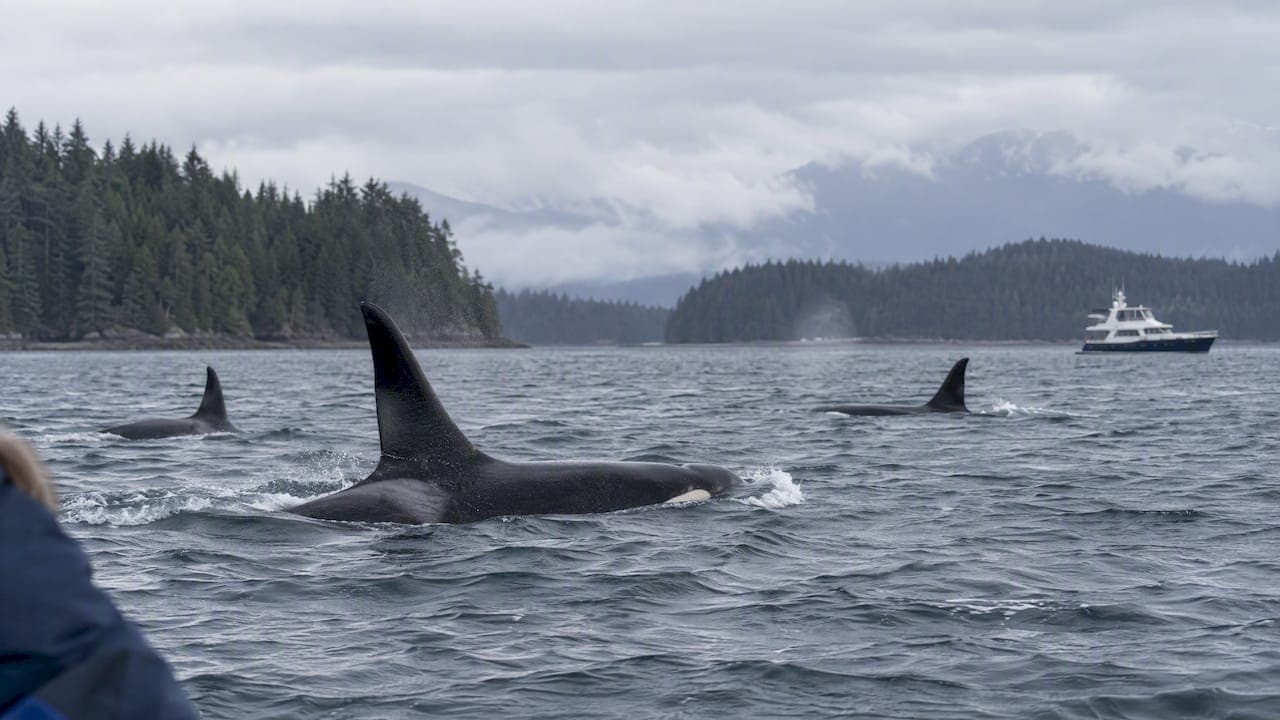
Orcas can appear in Alaska's waters any month of the year, but sighting odds peak from May through September, when salmon runs and seal concentrations pull resident and transient pods closer to the coast. No trip guarantees a sighting; the animals follow prey, not a calendar. Region, orca ecotype, and how long you spend on the water all shift the odds far more than the date on your ticket.
TL;DR:
- Properly timed trips from late May to August, especially in Juneau and Seward, offer the best odds for orca sightings near salmon runs and seals.
- Longer, flexible tours, such as full-day or private charters, significantly increase chances by allowing adjustments based on prey activity and naturalist cues.
- Target resident orca ecotypes, which follow salmon and are easier to predict, rather than transient or offshore pods that roam wider and depend on marine mammals.
- Responsible operators follow NOAA guidelines, respecting natural behaviors and maintaining a safe distance without promises of guaranteed close encounters.
- Booking well in advance and asking specific questions about routes, ecotypes, rebooking policies, and naturalist services helps set realistic expectations and enhances the experience.
Table of Contents
- When and where: month-by-month windows and the best regions to try
- Why timing varies: orca ecotypes, prey, and movement patterns
- How tour type, duration, and routing affect your odds
- Ethical viewing and regulations you should expect operators to follow
- What to ask and expect when booking a whale-watch or charter
- Expert perspective from Exotica Charters' captains and crew
- A morning on the water, waiting for a dorsal fin
- How Exotica Charters plans an ethical, orca-focused Alaska expedition
- FAQ
- Sources
When and where: month-by-month windows and the best regions to try
Spring, from March through May, brings the first reliable activity as herring and early salmon runs draw orcas toward the coast. Late May into June tends to be a strong window in several regions, with mid-summer, from June through August, offering the broadest activity statewide as salmon runs peak. Pockets of late-summer and early-fall sightings continue into September, particularly where prey lingers near shore.
Region matters as much as month. TravelAlaska notes that orcas are present year-round in many Alaskan waters, with the Inside Passage near Juneau and the Kenai Fjords near Seward standing out as the two most consistent regions to look.
- Inside Passage and Juneau: resident pods here follow salmon runs fairly predictably, and short, convenient day tours run throughout the summer.
- Kenai Fjords and Seward: scenic fjord routes combine glacier viewing with strong orca odds, especially from May into June, according to NPS.
- Prince William Sound and Kodiak: seasonal opportunities tied to local fish runs, worth considering for travelers chasing a quieter itinerary.
- The Aleutians: home to more offshore activity, which means thrilling possibilities but far less predictability.
If scenery and a relaxed day trip matter most, Juneau fits. If you want a longer expedition feel with glaciers thrown in, Seward and the Kenai Fjords reward the extra time. Readers planning around a broader Alaska itinerary may find our month-by-month breakdown of Alaska's charter season useful for matching travel dates to conditions beyond orcas alone.
Why timing varies: orca ecotypes, prey, and movement patterns
Not all orcas behave the same way, and that is the root of why "orca season" resists a single answer. NPS describes three distinct ecotypes in Alaska's waters: resident orcas, which eat fish and follow relatively predictable ranges tied to salmon runs; transient orcas, which hunt marine mammals and roam far wider territories in search of seals and sea lions; and offshore orcas, which stay in open ocean and remain the least predictable of the three.
Prey availability, not the season itself, pulls orcas toward any particular bay or strait. When salmon stack up at a river mouth or seals haul out in numbers, orcas often follow and linger. The Alaska Department of Fish and Game documents how these ecotypes occupy different ranges and prey preferences across the state's continental shelf waters. Thinking of Alaska's orca activity as ecological rather than calendar-based will serve you better than chasing a fixed migration window.

How tour type, duration, and routing affect your odds
Time on the water is one of the simplest levers you control. A three or four hour tour covers a fixed stretch of coastline and must return on schedule, while a full-day trip can follow prey signs, double back on a promising sighting, or wait out a quiet patch. NPS notes that longer trips from Seward reach deeper into Kenai Fjords territory and improve the chance of wildlife encounters, though no trip can promise one.
- Short tours (3 to 4 hours): convenient and affordable, but limited range and less room to adjust course.
- Full-day trips: cover more water, reach richer feeding grounds, and allow time to wait out a sighting.
- Private charters: the most flexible option, with routing that can shift in real time based on prey cues and crew experience.
An experienced naturalist or captain reading seabird activity and surface disturbance often narrows the search faster than luck alone. Longer trips mean more sun, wind, and wave exposure, so weigh comfort and seasickness tolerance against the odds you want.
Pro Tip: Book the longest trip your schedule and budget allow; an extra two or three hours on the water consistently beats a shorter, cheaper tour for actual sighting odds.
Ethical viewing and regulations you should expect operators to follow
Responsible operators follow behavior-based guidance from NOAA Fisheries, which means backing away if a whale changes speed, course, or surfacing pattern rather than pressing closer. This can shorten a close encounter, but it protects the animals and keeps viewing sustainable for everyone who follows after you.

NOAA also lists voluntary seasonal and area recommendations in sensitive sites such as Disenchantment Bay and Tracy Arm, where mothers rear pups between May 15 and June 30, according to NOAA Fisheries. Harassment penalties exist and have been issued for chasing or disturbing orcas, which is one more reason a patient, hands-off operator is worth choosing over one promising guaranteed close contact.
What to ask and expect when booking a whale-watch or charter
A few direct questions before you book will set realistic expectations and help you compare operators fairly.
- What route do you typically run, and what are the average sighting odds for this region and month?
- Which orca ecotype do you most commonly see, residents or transients?
- What happens if we do not see orcas: is there a rebooking or credit policy?
- Who is on board, and does a naturalist narrate the sightings?
- What size is the vessel, and are binoculars provided?
"Sighting guarantees" usually mean a free rebooking or credit rather than a cash refund, so read the fine print. Ask about seasickness remedies and layering gear too, since Alaska's water temperatures stay cold even in July.
Expert perspective from Exotica Charters' captains and crew
An experienced captain may favor patient searching over high-speed chases toward a distant blow. Reading prey signs, watching seabird feeding activity, and scanning methodically can cover more productive ground than racing after rumors. Naturalists often help translate those cues into a sighting rather than a near miss. For orca-focused itineraries, a minimum of several days is generally recommended, allowing room to reposition around prey activity while maintaining comfort and safety.
— Mo
A morning on the water, waiting for a dorsal fin
Engines idle early, coffee in hand, scanning the gray swell for a glint of black and white. An hour passes with gulls and glass calm water before a fin breaks the surface, gone again in seconds. The naturalist narrates quietly; everyone understands that patience, not certainty, is the whole point. Weather can change the entire picture within an hour.
How Exotica Charters plans an ethical, orca-focused Alaska expedition
Alaska itineraries are built around the principle of longer, flexible time on the water, led by people experienced in reading it. Crews may include captains and water sports professionals who plan custom routing around prey activity rather than fixed schedules, with naturalist support often part of the experience.

- Fully crewed charters with flexible, multi-day routing suited to wildlife-focused travel.
- Former captains and water sports professionals guiding each itinerary.
- Custom days built around your priorities, whether that is orcas, glaciers, or diving.
If a patient, well-run expedition sounds like your kind of Alaska trip, explore our Alaska yacht charters and let us help shape the days around what you most want to see. For travelers weighing private charters against group skippered trips, this guide to onboard skipper skills from our partners at Sail Armada is a useful read before you decide.
FAQ
Is it better to whale watch in Juneau or Ketchikan?
Juneau generally offers more consistent orca sightings thanks to resident pods following predictable salmon runs through the Inside Passage. Ketchikan can produce sightings too, but operators and guides more often point travelers toward Juneau or the Kenai Fjords near Seward for the strongest regional odds.
Can I swim with orcas in Alaska?
No, swimming with orcas is not an appropriate or permitted activity under NOAA Fisheries guidance, which requires viewing from a responsible distance. Harassment penalties have been issued for approaching or disturbing orcas too closely, so ethical operators keep a respectful distance at all times.
Which cruise is the best for seeing killer whales?
Rather than a single cruise line, your best odds come from choosing the right region and trip length: full-day or multi-day itineraries through the Kenai Fjords or Inside Passage tend to outperform short add-on excursions. A private, flexible charter with an experienced crew generally offers the most adaptable search for orcas specifically.
What is the best time of year to see orcas?
Late May through August offers the broadest window for orca sightings across Alaska, driven by salmon runs and seal activity that draw pods toward the coast. Sightings can happen outside this window too, since orcas are present in Alaska's waters year-round, just with lower predictability.
Sources
- Alaska marine mammal viewing guidelines and regulations — NOAA Fisheries
- Kenai Fjords National Park — Boat Tours
- Orca: Wildlife Notebook Series — Alaska Department of Fish and Game