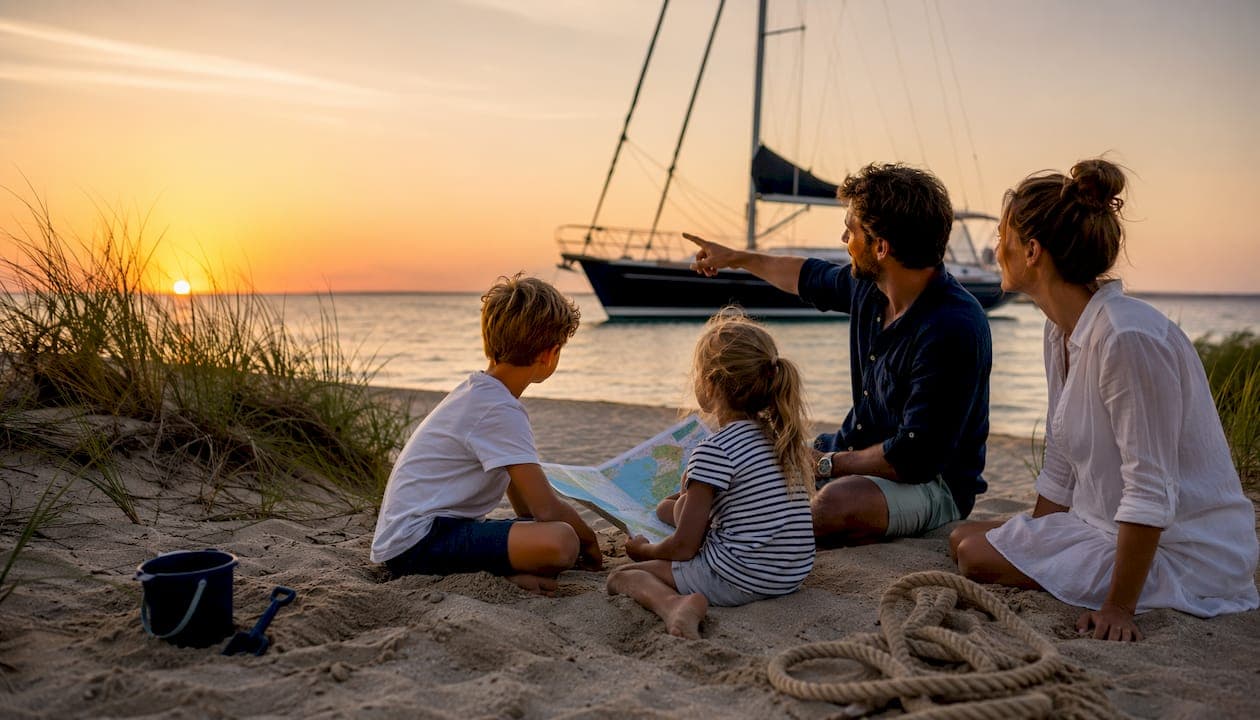
Yacht charters educate kids naturally because the boat itself becomes the classroom. Every hour aboard delivers hands-on learning that no resort or theme park can replicate: children steer, observe marine life, tie knots, read charts, and absorb the culture of each port they visit. The learning is not scheduled or forced. It simply happens, woven into the rhythm of the day.
Here is what makes a yacht charter so effective for children's growth:
- Immersive participation: Kids take real roles onboard, from calling out buoy colors to pressing the windlass button, giving them genuine ownership of the experience.
- Environmental science in the wild: Snorkeling over coral reefs and spotting jellyfish from the bow teaches marine biology far better than any textbook.
- Social and emotional development: Shared spaces and cooperative tasks build teamwork, patience, and family connection in ways that a hotel simply cannot.
- Age-appropriate skill building: Navigation basics, knot tying, and VHF radio operation are all within reach, depending on the child's age.
- Unplugged focus: Screen time drops to near zero without any parental enforcement. The ocean is the entertainment.
- Safety as a foundation: Structured safety practices give children the freedom to explore confidently within a secure framework.
How children develop specific skills and knowledge aboard yacht charters
The range of what children actually learn on a charter is wider than most parents expect, and it scales naturally with age. Children aged 5 and above can begin identifying port from starboard, spotting navigational markers, and counting passing buoys. Give a five-year-old the job of "flag watch" and they will stay engaged for hours, proud of their contribution.
From around age 8, the learning accelerates. Kids can help hoist a sail, tail a winch, and operate the VHF radio under instruction. By 12, many can handle a dinghy solo. The Royal Yachting Association offers youth sailing courses for children aged 8–16, and a crewed charter holiday serves as a natural stepping stone toward that kind of genuine competence.
Beyond sailing mechanics, the learning spreads across disciplines:
- Marine ecology: Snorkeling through coral reefs, identifying sea urchins and starfish, and observing dolphin behavior from the bow trampoline of a catamaran.
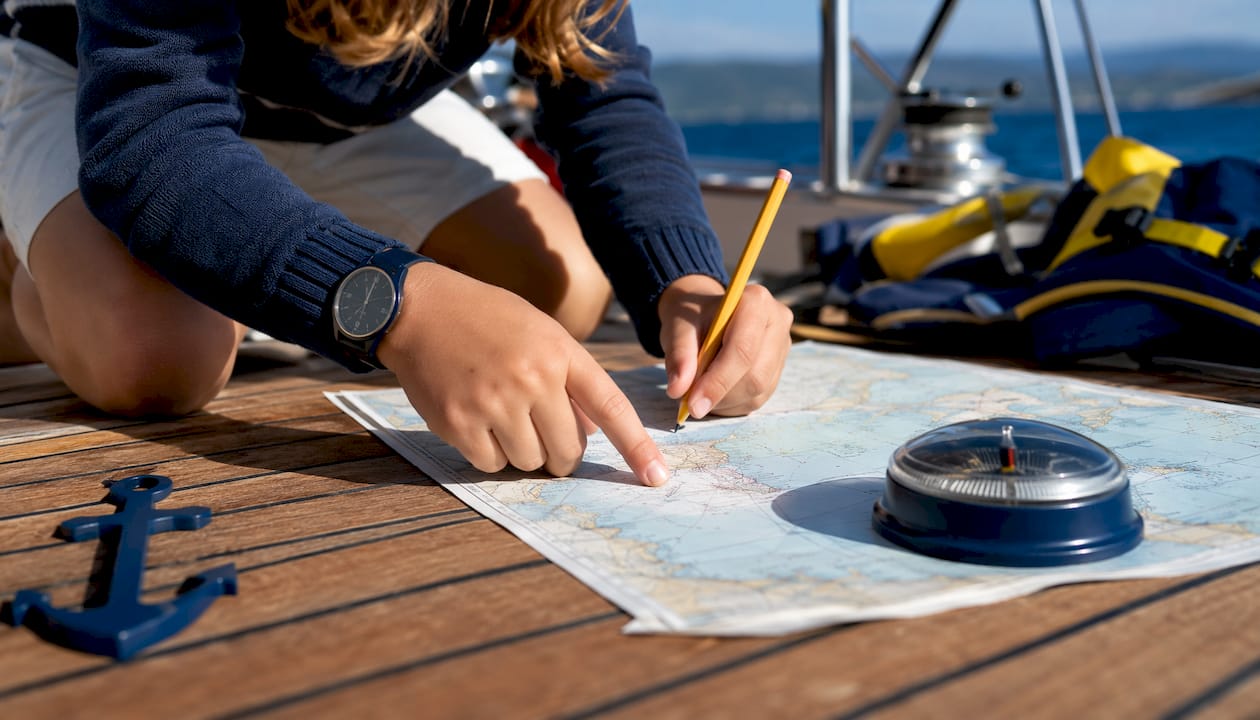
- Navigation and geometry: Reading charts, plotting courses, and understanding tides connect abstract math concepts to real decisions.
- Cultural immersion: Each port visit brings new languages, foods, and local traditions. A dinghy ride ashore to buy a postcard is, quietly, a geography and social studies lesson.
- Structured daily learning routines: A typical day for a seven-year-old might include raising the anchor, steering for 15-minute stints, snorkeling for starfish, and fishing from the stern at sunset. Each activity builds a layer of enduring knowledge.
Pro Tip: Assign your child a specific onboard role each morning, such as weather reporter or navigation assistant. Structured tasks keep kids engaged and transform routine sailing moments into memorable learning experiences.
What expert partnerships reveal about educational yacht charters
The most compelling evidence for yacht charters as educational tools comes from the professionals who have formalized the concept. Sea Tutors, a specialist division of Tutors International, partners with yacht charter companies to deliver bespoke onboard curricula tailored to each destination and each child's academic goals. Their tutors act as cultural navigators, connecting geography, history, and marine biology directly to what the child sees out the porthole.
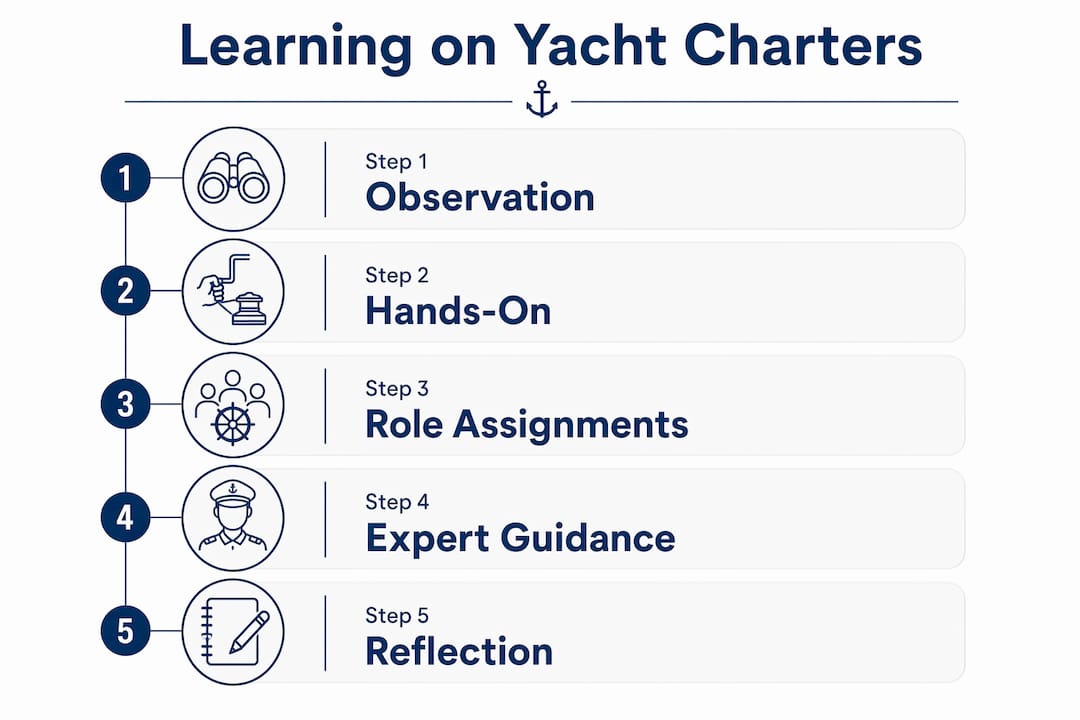
A sample Sea Tutors program aboard a Caribbean charter might include snorkeling through coral reef ecosystems, chart plotting to teach practical geometry, engagement with local traditions at each port, and creative writing inspired by the voyage. The result is a trip that fulfills both the family's appetite for adventure and the child's academic needs, without either feeling like a compromise.
Adam Caller, founder and CEO of Tutors International, describes the approach directly: "By incorporating hands-on education into the itinerary, charter companies can now offer clients a transformative experience that blends learning with adventure." The highest educational impact comes from bespoke curricula built around the child's specific goals, not a generic program dropped onto any itinerary.
Essential safety and comfort practices for children on yacht charters
Safety is what gives children the freedom to learn. A well-managed charter removes risk without removing adventure, and the standards are clear.
- Life jackets: A child-sized life jacket rated to at least 100N buoyancy is mandatory any time children are on deck. No exceptions.
- Safety netting: Most charter companies provide free safety netting that attaches to the guardrails, closing the gap between the lifelines and the deck edge. Request it at booking.
- Vessel choice: Catamarans are the preferred choice for families with children under ten. Their wider, flatter decks and reduced heel mean younger kids can move around without constantly bracing themselves.
- Daily rhythm: Anchor by 5:00–5:30 PM to allow a swim, dinner, and a calm bedtime. The gentle rocking at anchor helps most children fall asleep faster than they do at home.
- Cockpit supervision: Keep toddlers and young children in the cockpit during passages. It is the sheltered steering area at the stern, and it offers a clear sightline for parents and crew.
- Seasickness: Most children adapt within 24 hours. Keeping passages short, two to three hours in the morning, and encouraging kids to watch the horizon rather than screens helps considerably. Speak to your doctor about age-appropriate remedies before departure.
- Infant guidelines: Most charter companies recommend waiting until an infant is at least six months old and able to fit a certified personal flotation device before joining a charter.
For parents new to sailing with children, a kid-friendly boat tour is an excellent way to gauge how your child responds to life on the water before committing to a full charter.
Why Exoticacharters delivers the ideal educational family voyage
Choosing the right charter company transforms a good family vacation into an extraordinary one. Exoticacharters brings together former captains and water sports professionals whose expertise shapes every itinerary, from the Galápagos to French Polynesia to Alaska. That depth of experience means your children are not just passengers; they are participants in some of the world's most dramatic marine environments.
Fully crewed charters remove the logistical pressure from parents entirely. With a professional captain, crew, and chef managing the vessel, you can focus on your children's experience rather than the sailing schedule. That freedom is what allows the educational moments to unfold naturally.
- Immersive destinations: The Galápagos offers wildlife encounters found nowhere else on earth, a living laboratory for young naturalists. The Caribbean delivers coral reefs, cultural ports, and calm anchorages ideal for first-time family charters.
- Customization: Exoticacharters' team can help you integrate onboard tutors or curated learning themes, from scuba diving experiences that introduce marine biology firsthand to wildlife-focused itineraries aligned with your child's interests.
- Proven satisfaction: Exoticacharters is rated highly on Trustpilot, reflecting consistent client satisfaction across a wide range of destinations and family configurations.
- Safety and comfort: Every vessel recommendation accounts for family needs, with catamarans and fully crewed options available for families with young children.
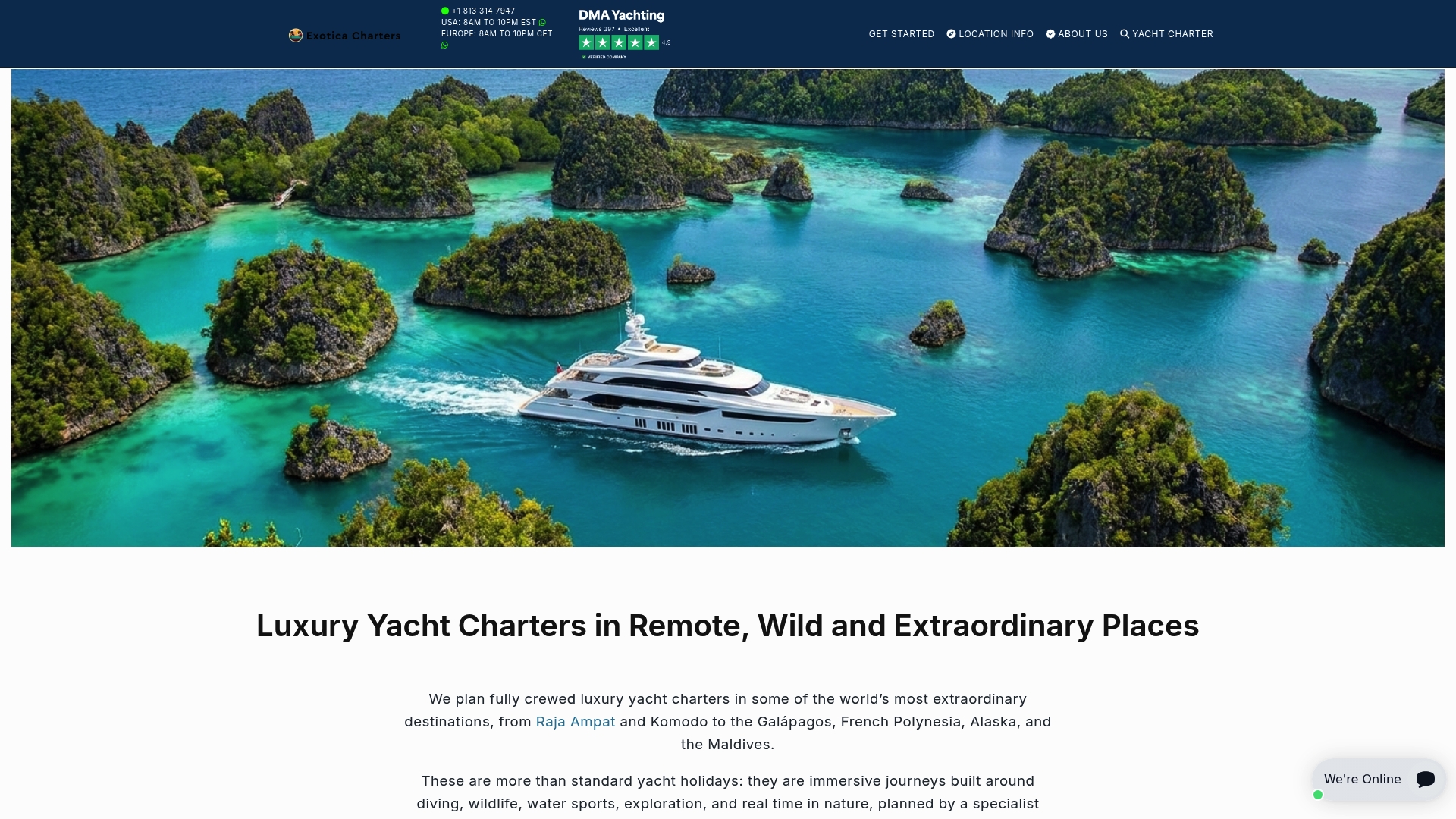
Speak with the Exoticacharters team to find the luxury yacht and destination that fits your family's learning goals and sense of adventure. The right voyage is out there, and we would love to help you find it.
Key Takeaways
Yacht charters educate kids naturally by turning every sailing day into a living classroom, combining navigation, marine science, cultural immersion, and teamwork in a safe, unplugged environment.
| Point | Details |
|---|---|
| Age-scaled skill building | Children aged 5+ learn navigation basics; ages 8–16 progress to sail handling and VHF radio operation. |
| Expert-led curricula | Sea Tutors partners with charter companies to deliver bespoke academic programs tied to each destination. |
| Charter bookings rising | Family and group charter bookings rose 32% in the past year, driven by demand for immersive learning. |
| Safety enables exploration | 100N life jackets, free safety netting, and catamaran stability give children the freedom to engage confidently. |
| Fully crewed advantage | A crewed charter lets parents relax while children participate fully in the voyage's educational experiences. |