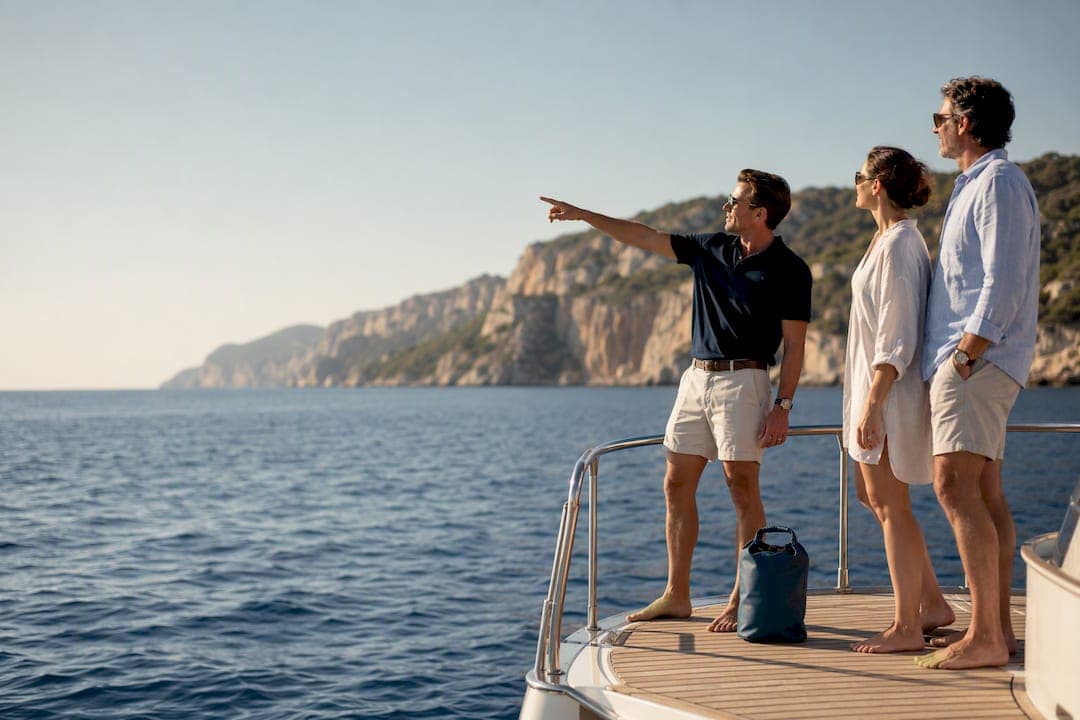
A motor yacht charter is a fully crewed, bespoke luxury vacation that combines private cruising, gourmet service, and tailored water-sports experiences. Providers build these trips around a dedicated captain and crew, an onboard chef, and a full complement of water toys, all shaped around your itinerary rather than someone else's schedule. It suits travelers who want the privacy of a private vessel without managing the logistics themselves.
TL;DR:
- Fully crewed yacht charters offer bespoke experiences with crew sizes and vessel types tailored to guest groups and adventure levels, from intimate yachts for couples to expedition vessels for remote destinations.
- The total cost depends heavily on vessel size, destination, season, and variable charges such as fuel, provisioning, and taxes, which are usually billled alongside an advance provisioning allowance.
- A full crew provides five-star hospitality, while minimal service requires guests to handle meals and housekeeping, with optional upgrades like jet skis and onboard spa treatments available.
- It is crucial to confirm safety certifications, experienced crew, and well-maintained safety equipment before booking a trip, especially for bareboat charters.
- Personalization begins with early communication of preferences and special requests, which allows crew to tailor menus, activities, and celebrations, significantly enhancing the experience.
Table of Contents
- Core Inclusions: Vessel Types, Crew Roles, and Service Levels
- A Day Aboard: Sample 3-, 5-, and 7-Day Itineraries
- Bespoke Services and How to Prepare for Your Charter
- Pricing, Tipping, and Booking Steps You Should Know
- Safety and Legal Considerations Before You Sign
- Insider Tips From Former Captains and Water-Sports Professionals
- Practical Tips for First-Time Charter Guests
- Why Personalization and Crew Expertise Matter Most
- Exotica Charters: How We Design Bespoke Motor Yacht Charter Experiences
- Sources
- FAQ
Core Inclusions: Vessel Types, Crew Roles, and Service Levels
Not every motor yacht suits every group, and the right vessel depends on how many guests you're bringing and how adventurous you want the itinerary to be. A compact motor yacht with one or two cabins suits couples or small families who want an intimate, low-key cruise, while larger motor yachts with ten or more cabins can host extended families or groups celebrating a milestone together. Expedition-style vessels, built with reinforced hulls and extended range, work best for remote destinations where reprovisioning options are limited.
Crew size and structure shift with vessel size, but a few roles show up on nearly every fully crewed charter:
- Captain: Handles navigation, safety compliance, and route planning, and is legally responsible for the vessel.
- Chef: Prepares meals tailored to dietary needs and destination-inspired menus, often sourcing local ingredients at port stops.
- Stewardess: Manages cabin service, table settings, and the small details that make onboard life feel like a private villa.
- Deckhands and water-sports crew: Run tenders, set up snorkeling or diving gear, and supervise activities like wakeboarding or paddleboarding.
The difference between minimal and full crew service is significant enough that it's worth understanding before you book. A full crew delivers hospitality on par with a five-star resort, while a bare captain-only arrangement leaves guests responsible for their own meals and housekeeping. Standard amenities typically include kayaks, snorkel gear, and a tender for shore trips; optional upgrades often cover jet skis, onboard spa treatments, and expanded audio-visual setups for movie nights on deck.
A Day Aboard: Sample 3-, 5-, and 7-Day Itineraries
Life aboard settles into a rhythm fairly quickly: breakfast is leisurely, mornings are for cruising or an early dive, afternoons bring a swim stop or a shore excursion, and evenings wind down with a chef-prepared dinner under open sky. Crew handle logistics quietly in the background, so meals appear on schedule and the anchorage is chosen before you've finished your coffee.
- Three-day island-hopping trip: Depart from a home port, spend day one snorkeling a reef, day two exploring a second island with a beach picnic, and day three cruising back with a final swim stop.
- Five-day coastal luxury itinerary: Alternate between scenic anchorages and a marina stop for reprovisioning, mixing water sports with a guided shore excursion or a local market visit.
- Seven-day expedition-style charter: Push into more remote waters, with extra days built in for wildlife viewing, extended dive sites, and weather flexibility.
Regions with well-developed charter infrastructure make these itineraries easier to execute. Croatia's Adriatic coast, for example, is known for sheltered islands and cruiser-friendly marinas that simplify reprovisioning between stops, a model that applies broadly to any well-supported charter region. Port calls typically double as chances to restock fresh produce, refuel, and let guests wander ashore for an hour or two before the next leg. For readers who want a fuller sense of pacing, sample itineraries built around specific destinations show how these day-by-day rhythms adapt to different waters.
Bespoke Services and How to Prepare for Your Charter
The personalization that defines a motor yacht charter starts long before you step aboard, usually with a yacht preference sheet that captures dietary restrictions, favorite drinks, preferred activities, and any special occasions to mark. Sending this several weeks ahead gives the chef and crew time to source ingredients and plan around your tastes rather than guessing.
Brokers and crew often turn these preferences into concrete experiences:
- A private diving guide can be arranged for guests chasing specific marine life or dive certifications.
- Themed menus, from a regional tasting dinner to a birthday cake baked mid-voyage, are common requests crew are well equipped to handle.
- Celebration planning, including decorations or a surprise sunset toast, can be coordinated with enough notice.
Brokers frequently extend their value beyond the yacht itself, arranging flights, hotel nights, and local guides so the entire trip feels like one coordinated experience rather than a series of separate bookings.
Pro Tip: Send rare or elaborate requests, like a specific wine label or a specialist guide, as early as possible; availability in remote destinations is often tighter than guests expect.
Pricing, Tipping, and Booking Steps You Should Know
A charter quote is built from several distinct pieces, and understanding each one prevents surprises when the final invoice arrives.
- Base charter fee: Covers the yacht, crew, and standard equipment for the agreed dates.
- Advance Provisioning Allowance (APA): A separate fund, often billed alongside the base fee, that covers fuel, food, drinks, and port fees. Operators commonly bill variable costs like fuel and special provisions against this allowance rather than folding them into the base rate.
- Berthing and taxes: Marina fees and regional cruising taxes vary by destination and season.
- Crew gratuity: Customary but not included in the base fee.
Pricing for short luxury charters varies widely by vessel size, destination, and season, and is best requested directly from a broker rather than assumed from a general range. Prices for these charters are not publicly published, as costs depend heavily on the yacht and itinerary chosen.
Deposit schedules usually require a substantial payment at booking, with the balance due closer to departure, and contracts should spell out cancellation terms clearly. An off-charter survey, conducted at the end of the trip, checks the vessel's condition against its pre-charter state and settles any outstanding APA balance; learn more about UK hull cleaning steps and timing to maintain the vessel properly.
Safety and Legal Considerations Before You Sign
Charter type changes who's legally responsible if something goes wrong. Under a bareboat charter, the charterer can be treated as the vessel's owner for the duration of the trip, which means taking on liability for safety compliance and proper operation, a real risk for anyone without the qualifications to run a large vessel. A fully crewed charter keeps that responsibility with the licensed captain, which is one reason it's the default choice for guests without extensive boating experience.
Before departure, confirm a short list of safety essentials with your operator:
- Current vessel survey and valid safety certifications.
- Licensed, experienced crew, including a captain qualified for the specific waters you're visiting.
- Properly maintained safety equipment, from life jackets to communication systems.
These checks take minutes to request but matter far more than most guests realize until something goes wrong.
Insider Tips From Former Captains and Water-Sports Professionals
Crew who've spent years running vessels professionally tend to spot the same guest mistakes over and over, and most are easy to avoid with a little foresight.
- Submit your preference sheet and any passport or visa documentation for international legs well before departure.
- Flag medical needs, allergies, or mobility concerns early so the crew can plan accordingly.
- Avoid underestimating the APA. Guests who treat it as a rough afterthought are often surprised by the final settlement.
- Communicate schedule changes as soon as they're known. Crew can absorb a lot of flexibility, but only with notice.
Pro Tip: Treat your crew as the experts they are: a good captain and chef can turn a vague wish list into a trip that feels custom-built, but only when they know what you actually want.
Practical Tips for First-Time Charter Guests
Packing for a motor yacht charter is different from packing for a hotel stay. Soft-sided bags are preferred over hard suitcases since storage space is limited, and swimwear, reef-safe sunscreen, and a light jacket for evening breezes cover most climates. Deck shoes with non-marking soles protect the yacht's surfaces and your own footing.

Onboard etiquette is mostly common sense: ask before bringing outside food or drink aboard, keep noise reasonable during early mornings and late evenings, and follow the crew's lead on where shoes are and aren't allowed. Tipping etiquette, covered earlier, is worth discussing with your broker ahead of time so it's not a last-minute calculation.
Health considerations matter more at sea than on land. Motion sickness remedies are worth packing even for guests who rarely experience it, since conditions can shift with weather. Guests with chronic conditions or specific medication needs should flag these on the preference sheet so the crew can plan accordingly, particularly on itineraries headed to remote regions with limited access to medical care.
Why Personalization and Crew Expertise Matter Most
After years spent looking at how these trips actually unfold, the pattern is consistent: the itinerary matters less than the crew running it. A stunning route falls flat with an inattentive crew, while a modest coastline comes alive under a captain who reads the group well and a chef who adjusts on the fly. Some operators build itineraries around matching guest interests, whether that's diving, wildlife, or quiet coastal cruising, to destinations suited for exactly that. When vetting any operator, ask how they staff their crew and how much input you'll have before departure; the answer tells you most of what you need to know.
— Mo
Exotica Charters: How We Design Bespoke Motor Yacht Charter Experiences
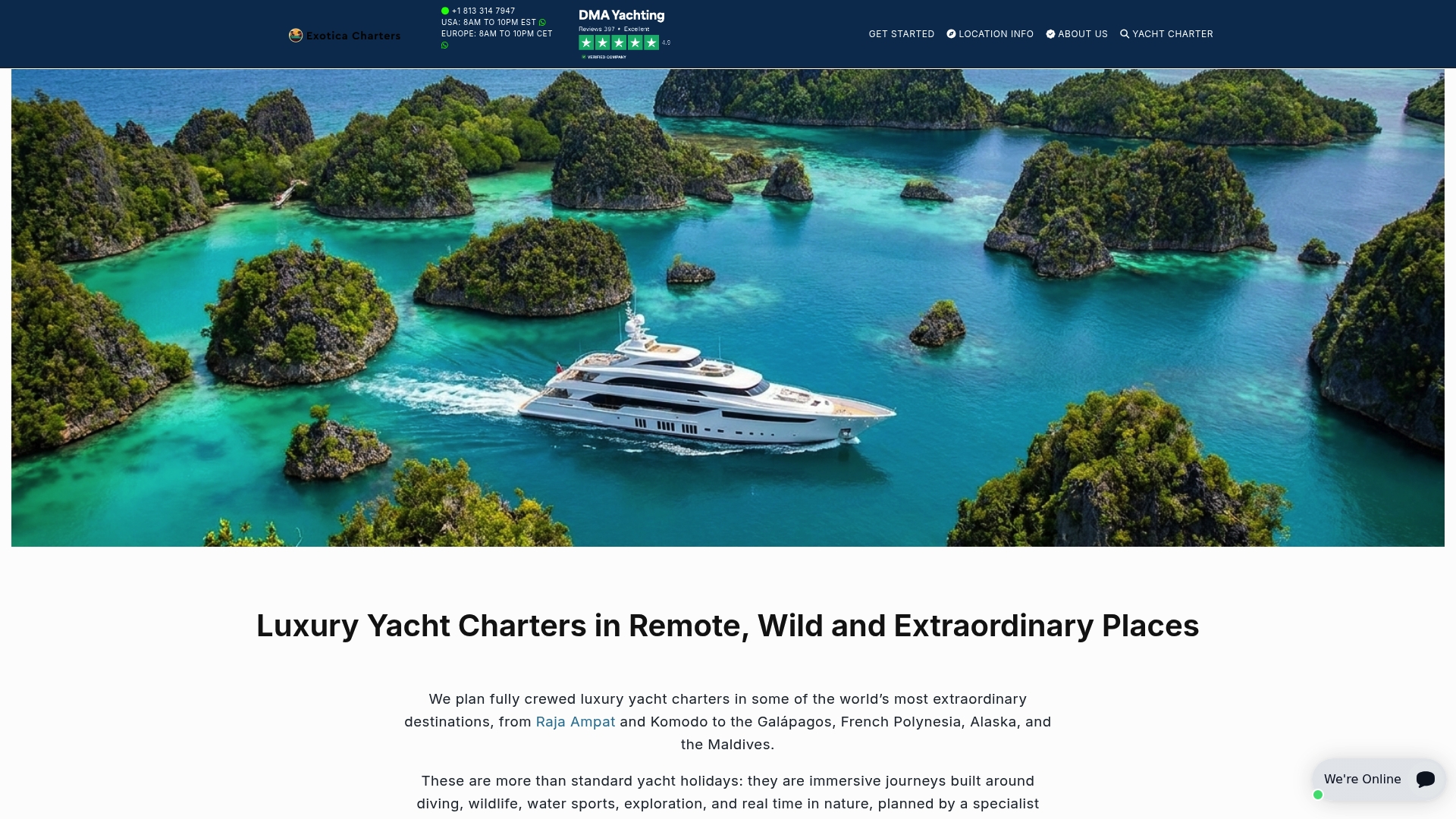
This company plans fully crewed motor yacht charters built around what you want from time on the water, whether that's diving remote reefs, chasing wildlife, or simply cruising in comfort with a chef and stewardess handling every detail. The team includes former captains and water-sports professionals, meaning the people planning trips have actually run vessels and led dives themselves, not just booked them.
A few things set the experience apart:
- Itineraries built around your interests, from diving and wildlife exploration to relaxed coastal cruising.
- A team of former captains and water-sports professionals shaping the details.
- A high level of client satisfaction is often reflected in positive Trustpilot ratings.
If a motor yacht charter fits what you're looking for, browse motor yacht options through Exotica Charters and start a conversation about the destination and dates you have in mind.
Sources
- Boating Safety Circular 68c
- Cruising In Croatia | BoatUS
- Luxury Private Yacht Charters | BespokeAbility Travel
FAQ
How much does a 3-day superyacht charter cost?
Costs vary widely based on vessel size, crew, and destination, so pricing is best requested directly from a broker rather than estimated from a general figure. Exotica Charters provides quotes based on the specific yacht and itinerary a guest is considering.
What is the 12-person rule on a yacht?
This typically refers to passenger limits tied to a vessel's safety certification, which restrict how many guests a charter yacht can legally carry under certain regulations. The exact limit depends on the vessel's certification and flag state, so it's worth confirming directly with the operator for your specific yacht.
What is the 10% rule for yacht tipping?
Exact norms can vary, so confirming the expected amount with your broker before departure avoids any guesswork at settlement.
How much should you tip on a yacht charter?
Tipping is customary and separate from the base charter fee, with the crew gratuity typically calculated as a percentage of that fee. The precise amount depends on service level and trip length, and your broker can confirm current norms for your specific charter.
What does a motor yacht charter typically include?
A fully crewed motor yacht charter typically includes the captain, crew, chef-prepared meals, and standard water toys like kayaks and snorkel gear. Optional extras, such as jet skis or private diving guides, can be added based on guest preferences captured in a pre-charter preference sheet.