
A sailing yacht charter is an adaptable vacation, not a sailing lesson. Whether you choose a crewed charter, a skippered trip, or a bareboat rental, non-sailors can enjoy the same days of swimming, snorkeling, and shore visits, with the captain handling navigation and safety. Before you shop, decide one thing: how hands-off do you want to be?
TL;DR:
- Crewed and skippered charters remove the need for sailing experience, making safety and navigation management easier for first-timers.
- Booking a fully crewed yacht simplifies logistics, with professionals handling provisioning, safety, and itinerary adjustments tailored to your preferences.
- Typical costs include crew wages and safety equipment in the base rate, with extras like fuel, marina fees, and premium provisioning billed separately.
- Confirm safety standards, crew credentials, insurance coverage, and passenger limits before finalizing the booking to ensure compliance and safety.
- Maintaining open communication with the crew during the trip enhances flexibility, personalization, and reduces anxiety for guests new to sailing.
Table of Contents
- The Sailing Yacht Charter Experience: A Day-by-Day Look
- Crewed, Skippered, Bareboat, or Day Charter: Which Fits You?
- How to Book a Charter With No Sailing Experience
- Understanding Charter Costs, Inclusions, and Tipping
- Packing and Onboard Etiquette for First-Time Guests
- Safety Standards and What Non-Sailors Should Verify
- What Trained Crews Actually Do for First-Time Guests
- Your 10-Step Charter Booking Checklist
- Charter Contracts and Cancellation Policies, Explained
- Talking to Your Crew Before and During the Charter
- Why Crewed Charters Usually Win for First-Timers
- Book a Fully Crewed Charter With Exotica Charters
- Sources
The Sailing Yacht Charter Experience: A Day-by-Day Look
Every charter starts the same way: embarkation, then a safety briefing from the captain covering life jackets, emergency exits, and man-overboard procedures. After that, the rhythm settles quickly. Mornings tend to bring the day's first sail or motor to a new anchorage, often paired with coffee on deck and a briefing on the day's plan. Afternoons are built around water time: snorkeling, paddleboarding, or a dinghy run ashore to explore a village or beach. Evenings slow down, with sunset cocktails, a crew-prepared dinner or a night out at a harborside restaurant, and an early bedtime dictated by the sound of water against the hull rather than a hotel alarm clock.
A multi-day charter guide breaks down how this tempo typically plays out over three and seven days:
- Three-day charters usually hit two or three anchorages, prioritizing one signature activity per day over ground covered.
- Seven-day charters allow for a real arc: a busier first half exploring several islands, then a slower back half near your departure point.
- Expedition-focused charters built around diving or wildlife spend more time stationary at prime sites, less time transiting.
Expect patchy phone signal once you're away from port. Most guests treat that as part of the appeal.
Crewed, Skippered, Bareboat, or Day Charter: Which Fits You?
The format you choose shapes everything else about your trip, from your budget to how much sailing knowledge you actually need. A crewed charter puts a full team aboard, typically a captain and chef at minimum, sometimes deckhands and a guide, who handle navigation, meals, and logistics while you focus on the destination. A skippered charter hires a licensed captain to sail a yacht you'd otherwise rent bareboat, giving you access to a boat you couldn't legally operate solo. Bareboat charters hand you the yacht with no crew, which requires a sailing résumé and often a certification the operator will verify. Day charters compress the experience into a few hours, usually with a captain included in the rate.
Here's a rough guide to who fits where:
- Families and first-timers: crewed charters, since the inclusions remove nearly every logistical decision.
- Groups with sailing experience wanting independence: bareboat.
- Confident travelers who want a boat bigger than their license allows: skippered.
- Anyone testing the waters before committing to a longer trip: a day charter.
For novices, a crewed setup bundles the safety net and the local knowledge in one booking, which is why it's the default recommendation for a first sailing yacht charter experience.
How to Book a Charter With No Sailing Experience
Booking without prior experience is normal, not a workaround. A step-by-step guide for first-time charterers confirms that hiring a skipper or booking fully crewed removes the licensing requirement entirely. Here's the practical sequence:
- Pick your format and a realistic budget range before browsing yachts, since crewed and skippered options cost more than bareboat but need zero sailing background.
- Choose destination, trip length, and guest count. These three variables determine yacht size and layout more than any other factor.
- Ask providers direct questions: what's included, what the crew's credentials are, what the safety and emergency procedures look like, and what the cancellation policy says.
- Confirm insurance coverage and ask whether you'll sign a liability waiver.
- Sign the contract, pay the deposit, and complete any guest information forms covering dietary needs, swimming ability, and emergency contacts.
- Coordinate provisioning (what food and drink you want stocked) and confirm your final departure time and location.
Pro Tip: Message operators directly, rather than only browsing public listings, when you're booking within a few weeks of departure. Some day-charter and last-minute inventory never makes it to the public booking page, and a quick message can surface pricing you won't see advertised.
Understanding Charter Costs, Inclusions, and Tipping
Price on a sailing yacht charter experience swings on a handful of variables: yacht size and type, the season you're traveling, the region, whether you go crewed or bareboat, and how many days you book. A week in high season on a crewed catamaran costs considerably more than the same yacht in shoulder season, and a bareboat rental will run well below either.
What's typically bundled versus billed separately:
- Usually included: crew wages on crewed charters, basic safety equipment, and a baseline provisioning package.
- Common extras: fuel surcharges, berthing or marina fees, provisioning upgrades (premium wine, specific dietary requests), and park or conservation fees in protected waters.
Day charters out of hubs like Miami sometimes advertise all-in rates starting around $1,500, with a USCG-licensed captain, fuel, and basic safety gear built into the quote, which is worth confirming line by line before you book. On the crewed side, gratuity norms are fairly consistent: The Moorings notes that customary tips for crew run about 15 to 20 percent of the total charter price, distributed at the end of the trip.
Packing and Onboard Etiquette for First-Time Guests
Pack light, and pack soft. Hard-sided luggage takes up storage that boats simply don't have, and hard-soled shoes scuff teak decks fast, so bring a duffel bag and a pair of non-marking deck shoes or none at all. General trip-prep guidance on packing efficiently for an active outdoor vacation applies well here: layer for temperature swings, prioritize quick-dry fabrics, and bring motion-sickness remedies even if you've never needed them before, since a moving boat behaves differently than a moving car.
Onboard etiquette matters more than most first-timers expect:
- Follow crew instructions immediately, especially during docking or weather changes.
- Keep noise down during late hours and in quiet anchorages shared with other boats.
- Respect no-wake zones, marine reserves, and any no-anchor areas the crew points out.
Pro Tip: Ask upfront whether your charter is all-inclusive or private-pay for alcohol and specialty provisions. Some crewed packages cover everything; others bill drinks and premium groceries separately at the end.
Safety Standards and What Non-Sailors Should Verify
Every reputable operator opens the trip with a safety briefing covering life jacket locations, flare use, VHF radio procedures, and emergency exits. That briefing, along with the required safety equipment aboard U.S.-operated charters, isn't optional theater. It's the baseline that protects guests who've never set foot on a sailboat.
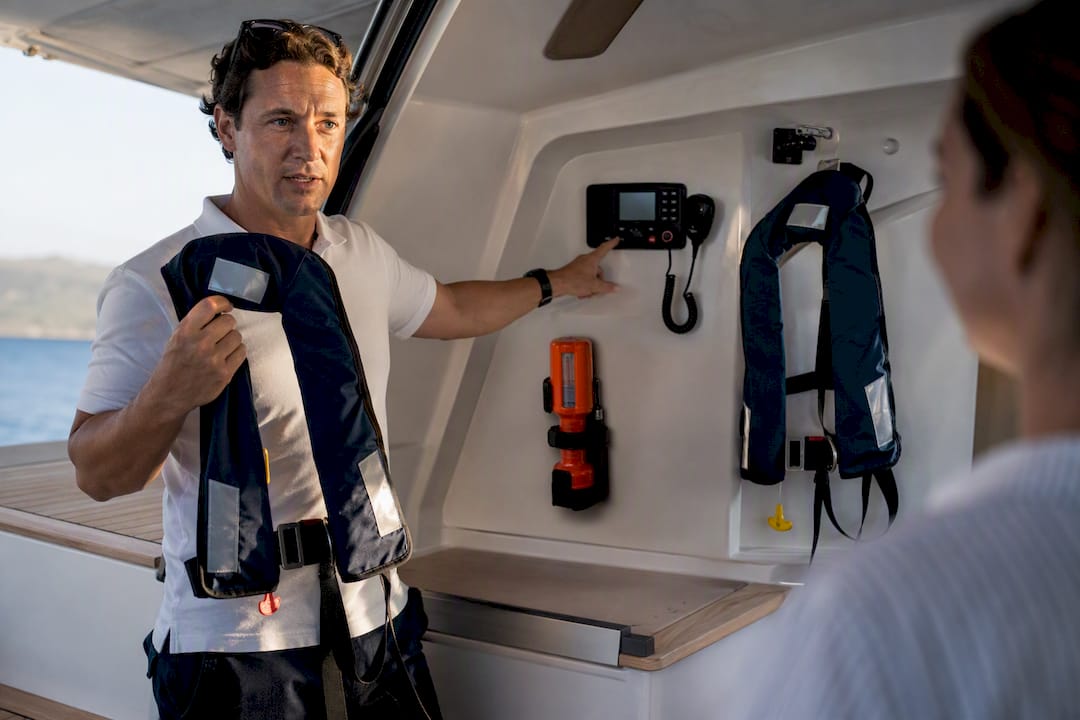
Passenger limits vary by vessel and its specific certification, so a commonly cited "12-passenger" figure doesn't apply universally. Confirm the actual limit tied to your specific yacht's documentation.
Before paying anything, verify:
- What insurance the operator carries, and what you're liable for under the waiver you'll likely sign.
- Whether the captain holds a valid USCG license, if you're chartering out of a U.S. port.
- How the crew handles emergencies, including their protocol for medical issues or sudden weather changes.
Review platforms add a layer of confidence here. Checking operator feedback on sites like Tripadvisor before booking helps you catch patterns, good or bad, that a polished sales page won't show you.
What Trained Crews Actually Do for First-Time Guests
The gap between a mediocre charter and an extraordinary one usually comes down to crew. Exotica Charters staffs its trips with former captains and water sports professionals, people who've spent careers on the water rather than a season. That matters most at embarkation, when the captain runs the safety briefing, and throughout the trip, when a chef manages provisioning, a deckhand handles lines and logistics, and on expedition-style itineraries, a naturalist or dive guide leads the day's activity.
A trained crew doesn't just sail the boat. They read the guests, adjusting the pace of a day, the depth of a dive briefing, or the formality of dinner based on who's actually aboard, turning a fixed itinerary into something that feels personal.
Exotica Charters holds strong ratings on Trustpilot, reflecting consistent guest satisfaction across its crewed trips.
Your 10-Step Charter Booking Checklist
Ready to move from research to booking? Work through this list in order:
- Choose your charter format (crewed, skippered, bareboat, or day charter).
- Set a realistic budget range for the trip length you want.
- Confirm your travel dates and finalize your guest count.
- Pick a destination that matches your interests, whether that's diving, wildlife, or relaxed cruising.
- Request a sample itinerary from the operator before committing.
- Ask specifically what's included versus billed as an extra.
- Confirm crew credentials and licensing.
- Verify insurance coverage and read the waiver carefully.
- Pay the deposit and complete your guest information forms.
- Pack light, arrive early, and bring any medications or seasickness remedies you might need.
Charter Contracts and Cancellation Policies, Explained
Most charter contracts follow a similar structure, but the details differ enough between operators that reading the fine print matters. You'll typically see a deposit requirement, usually a percentage of the total charter cost, due at booking, with the balance due somewhere between 30 and 60 days before departure. The contract should spell out exactly what's included in the base price, what counts as an extra, and who's responsible for damages beyond normal wear.
Cancellation terms deserve particular attention. Sliding-scale refund structures are common: full or near-full refunds if you cancel far in advance, shrinking to partial or no refund as departure approaches. Weather cancellations are usually handled separately from guest-initiated cancellations, with many operators offering rescheduling rather than refunds when a storm forces a change of plans.
Before signing, confirm:
- The exact deposit amount and due dates for remaining balances.
- Whether trip insurance is available or required, and what it covers.
- How the contract defines force majeure events like hurricanes or mechanical failure.
- Who's liable for damage to the yacht during your charter.
- Whether gratuity is included in the contract price or expected separately at trip's end.
A contract that answers these questions clearly, in plain language, is usually a sign of an operator worth booking. One that's vague on cancellation terms deserves a follow-up email before you commit any money.
Talking to Your Crew Before and During the Charter
The best charters start with a conversation, not a checklist. Before you ever step aboard, tell the crew what you actually want from the trip: relaxed days versus an active itinerary, dietary restrictions, whether kids will be aboard, and any activities that matter most to you, like diving or wildlife watching. Crews plan around guest input, and vague expectations produce a generic trip.
Once you're aboard, keep that conversation going. If the pace feels too fast or too slow, say so early rather than waiting until the final day. If you're uneasy about a swim spot or an anchorage, ask the captain directly. Good crews expect these check-ins and adjust the itinerary in response, since flexibility is part of what you're paying for on a crewed trip.
A quick daily huddle, even five minutes over morning coffee, where the captain walks through the plan and takes your input, sets the tone for the rest of the day. It also gives you a natural moment to flag anything from the previous day, whether that's a request for a slower pace tomorrow or enthusiasm to repeat yesterday's snorkel spot.
Why Crewed Charters Usually Win for First-Timers
Crew competence removes nearly every source of first-charter anxiety. When a captain handles navigation and a chef handles meals, your only real decision each day is how you want to spend it, which is exactly the low-stakes vacation most first-timers actually want. Expedition-style crews add another layer for adventure-focused groups, turning a diving or wildlife trip into something genuinely guided rather than self-navigated. If your goal is a stress-free introduction to life on the water, book crewed. Save bareboat for once you've built the sailing résumé to match your ambition.
— Mo
Book a Fully Crewed Charter With Exotica Charters
If you're weighing a first sailing yacht charter experience against the hassle of researching individual boats, licenses, and insurance policies yourself, Exotica Charters removes that entire layer of guesswork. Every trip comes fully crewed with former captains and water sports professionals who handle navigation, safety, and provisioning, while building an itinerary around what you actually came for, whether that's diving a remote reef or tracking wildlife in the Galápagos.
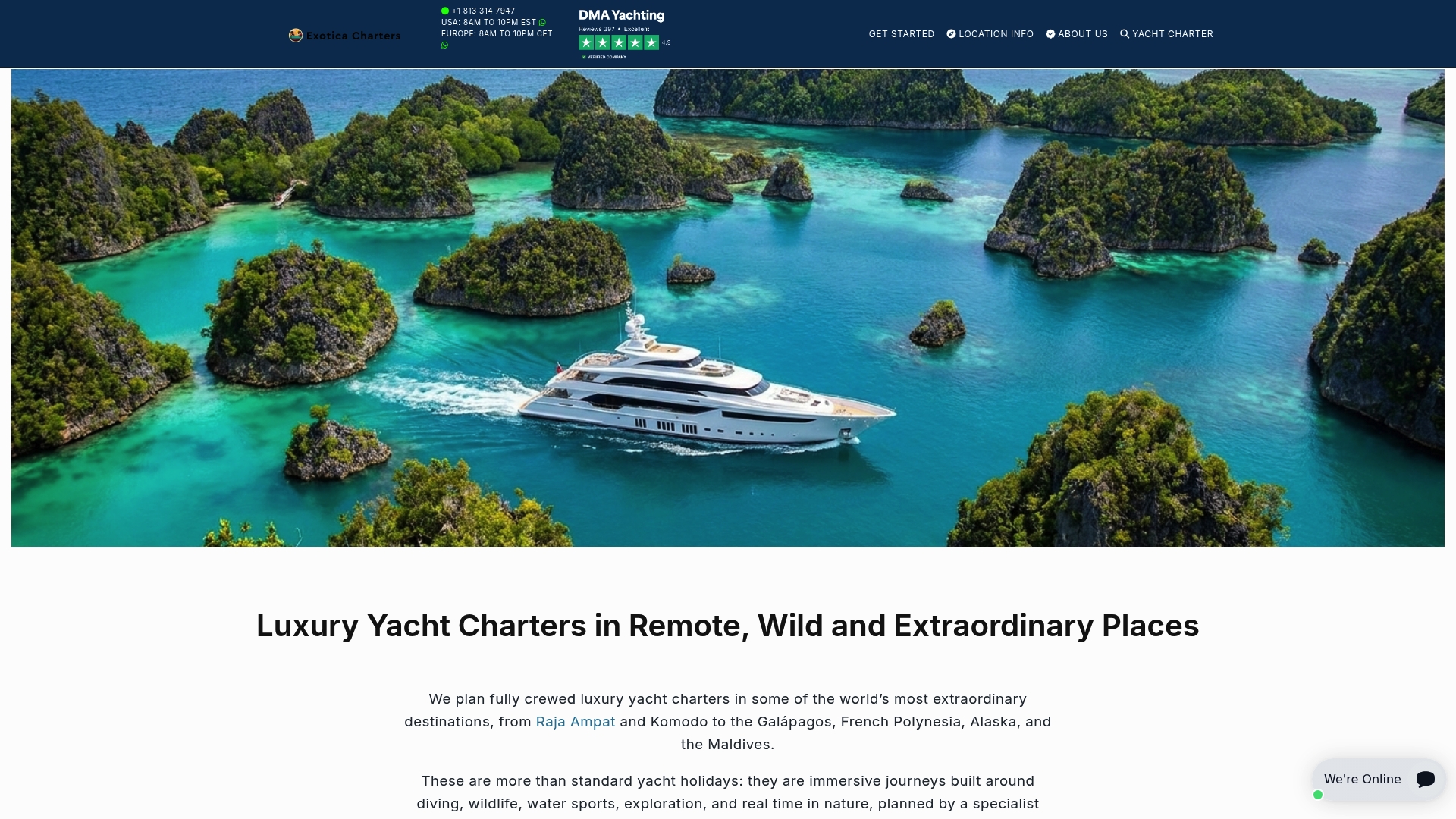
That's the real advantage for a first-timer: instead of piecing together a bareboat plan and hoping your skills hold up, you get a turnkey trip staffed by people who've spent careers on the water. Browse available luxury yacht charters and talk to a specialist about matching your group size, budget, and destination interests to the right vessel.