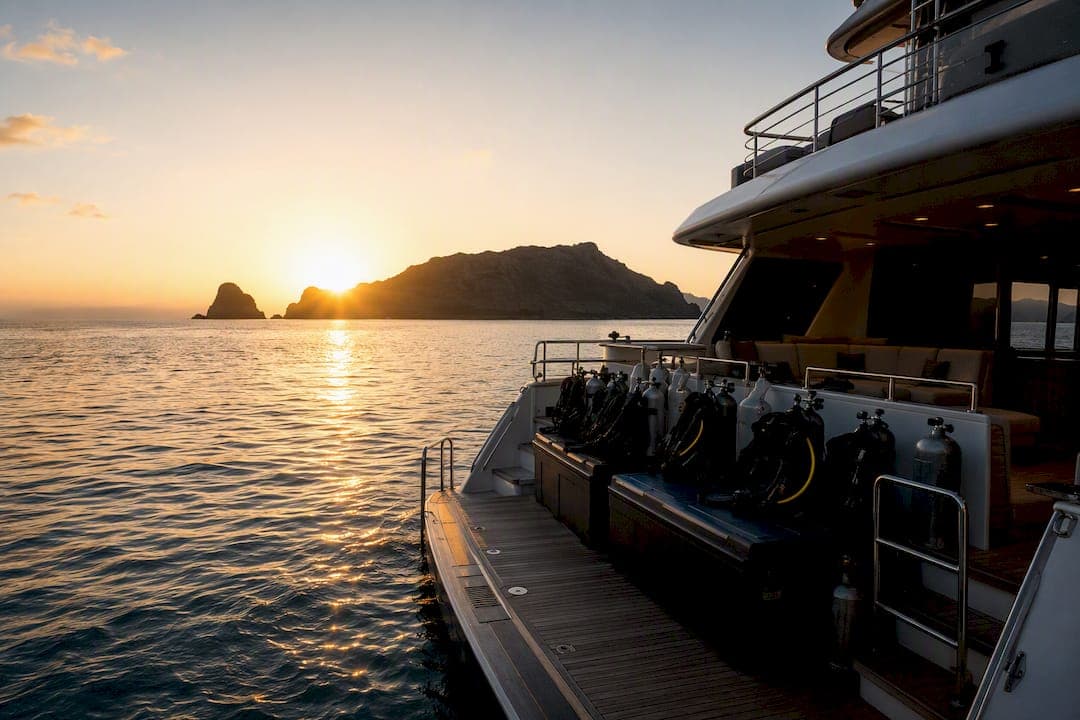
Socorro's official dive season runs November through May, with the archipelago closed to liveaboard traffic June through October. Within that window, the best months shift by target: mantas cluster at cleaning stations primarily in the cooler months, hammerhead schools are most active during the winter period, humpback whales are generally present from early to mid-year, and whale sharks tend to appear more often in the late spring. Access is liveaboard-only, and sea conditions plus park permitting set the calendar, not preference.
TL;DR:
- The best diving months are from November to May, with optimal conditions for mantas in December to March and hammerheads in January to March.
- Storm activity from June to October prevents even short trips, as the archipelago remains closed for conservation and safety reasons.
- Water temperature varies from 21°C to 28°C, with visibility from 20 to 40 meters, improving in winter but declining slightly in late spring.
- Experienced divers with at least 50 logged dives are recommended, especially for challenging sites like Roca Partida, which demands excellent buoyancy control.
- Booking nine to twelve months in advance is necessary for peak months, and operators prioritize current permit status to ensure trip viability.
Table of Contents
- What Makes the Socorro Diving Season So Short?
- A Month-by-Month Planner for the Socorro Dive Season
- Which Months Give You the Best Wildlife Encounters?
- Crossing Logistics and Skill Requirements for a Socorro Trip
- How to Adapt Your Photography Approach by Season
- When Should You Book a Socorro Diving Trip?
- Why Exotica Charters Brings Real Operational Knowledge to This Guide
- What Most Season Guides Get Wrong About Socorro
- A Private Alternative to the Standard Socorro Liveaboard
- Sources
What Makes the Socorro Diving Season So Short?
Operators run trips from November through May for one practical reason: that window is when the crossing from mainland Mexico stays safe enough to justify the 20 to 24 hour open-ocean transit. Outside those months, storm activity in the eastern Pacific makes the passage risky and the anchorages at Socorro, San Benedicto, and Roca Partida untenable for extended stops.
Water temperature and visibility swing meaningfully across the season. Divers can expect a range of roughly 21 to 28°C, with visibility between 20 and 40 meters, though neither figure holds steady across all seven months. Cooler water in December through March tends to sharpen visibility and concentrate nutrient-rich currents, which is exactly what draws mantas to cleaning stations in the first place. Warmer water later in the season softens visibility slightly but coincides with rising whale shark activity.
Currents and plankton blooms drive most of this variation. As surface temperatures climb toward May, plankton density increases, which can reduce clarity in exchange for richer pelagic feeding activity. Storm season from June through October isn't just an inconvenience. It's the reason the Revillagigedo Archipelago's protected status includes managed access windows in the first place.
A few environmental patterns worth internalizing before you book:
- Coolest water and sharpest visibility: December through March
- Warmest water and softest visibility: April through June
- Most reliable crossing conditions: November through May
- Highest storm risk and operational pause: June through October
A Month-by-Month Planner for the Socorro Dive Season
Choosing a month for a diving trip to Socorro comes down to matching your priority species to the water conditions that bring them close. Here's how the season unfolds.
- November. The season opens with warm water, calmer crossings, and mantas already showing up at cleaning stations in growing numbers. It's a gentler entry point if you're new to the region's currents.
- December. Water temperatures peak for the season alongside excellent visibility, and manta encounters at sites like Cabo Pearce become especially reliable during this cleaning-station window.
- January through March. This stretch is the heart of the season. Water cools, cleaning behavior intensifies, hammerhead schools stack up along pinnacles, and humpback whale song becomes a near-constant soundtrack underwater.
- April. A transitional month that still delivers strong hammerhead odds and humpback presence, while whale shark probability starts climbing.
- May. The season's tail end brings warming water and the best whale shark chances of the year, though it's also your last reliable window before storm season shuts things down.
- June through October. Most operators pause entirely. Park rules and storm risk both factor in, and the Revillagigedo Archipelago's UNESCO listing reinforces why this closure isn't just a business decision. Some guides list the window running into June, but the operator consensus stops firmly at May.
Which Months Give You the Best Wildlife Encounters?
Socorro's marine life doesn't distribute evenly across the calendar, and knowing the difference between "possible" and "reliable" saves a lot of disappointment.
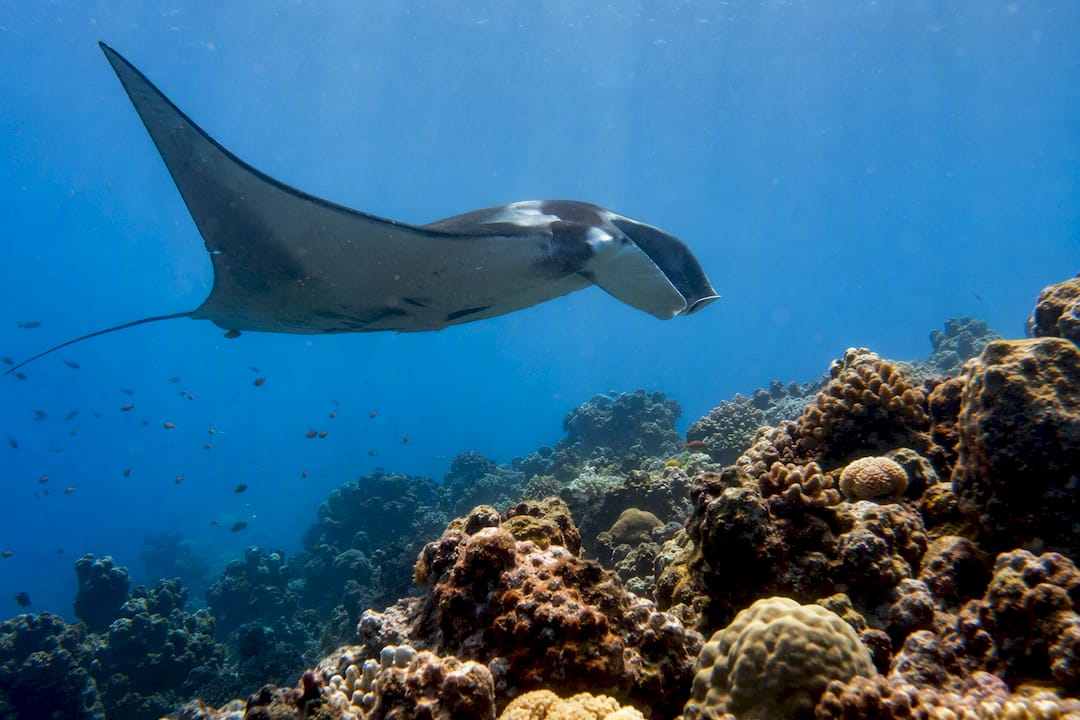
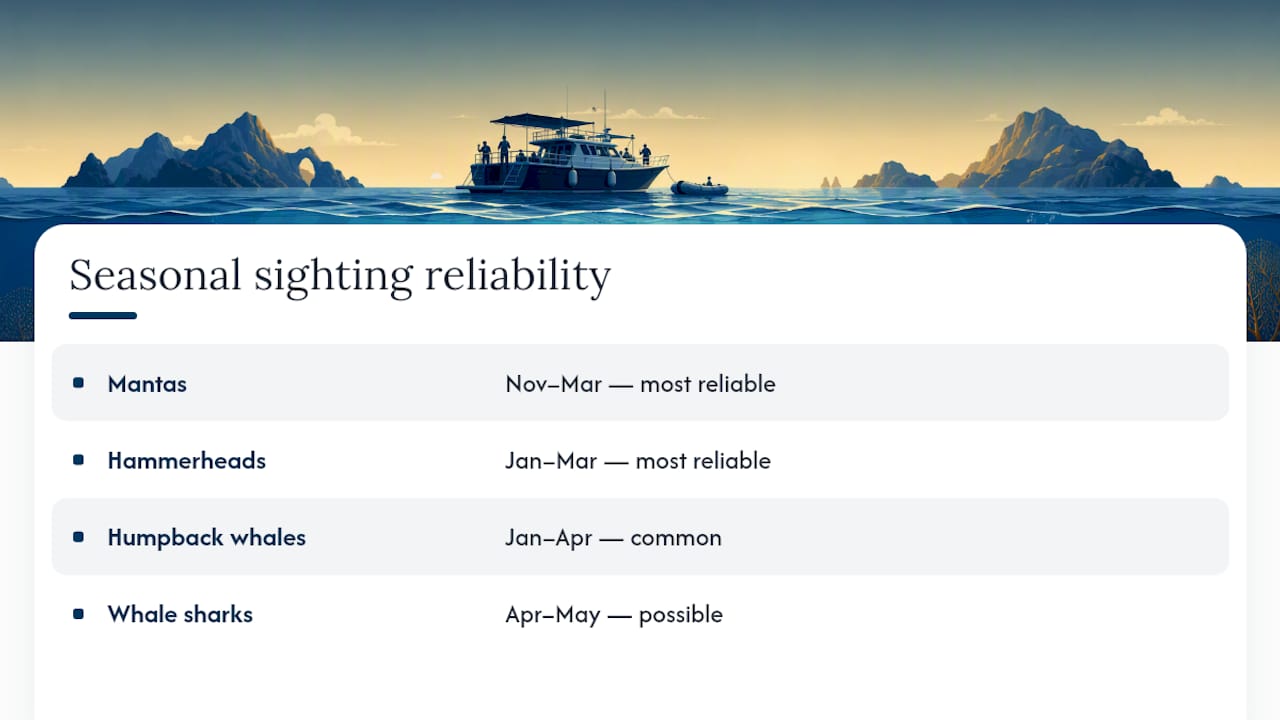
Manta rays are the archipelago's signature draw, and their cleaning-station behavior peaks in the cooler months. Research on manta behavior shows cleaning activity concentrates when water temperatures drop, which lines up with the November through March window at sites like Cabo Pearce. Warmer months still bring mantas, but the sustained, close-range cleaning encounters that make Socorro famous are a cold-water phenomenon.
Hammerheads school most predictably January through March, gathering along the pinnacles and ledges at San Benedicto and Roca Partida. These aren't guaranteed close encounters. Hammerheads often hold at depth or distance, but the winter months are when schools of dozens are most consistently reported.
Humpback whales migrate through the archipelago January through April, and their song is often audible underwater even when the whales themselves stay out of visual range. Surface sightings during this window add a dimension few other dive destinations offer.
Whale sharks are the season's wildcard. Sightings become more likely in the late-spring stretch of April and May, but they remain the least predictable of Socorro's headline species.
A quick calibration on reliability: mantas and hammerheads earn a "most reliable" label during their peak windows, humpbacks fall into "common," and whale sharks stay in "possible" territory even at their best. Route selection and operator experience shift those odds more than most divers expect.
Crossing Logistics and Skill Requirements for a Socorro Trip
Every diving trip to Socorro starts the same way: a departure from San José del Cabo or Cabo San Lucas, followed by a 20 to 24 hour open-water crossing before the first dive briefing. Trip length typically runs 8 to 10 days total, which accounts for the crossing both ways plus roughly five to six diving days on site.
Liveaboards generally schedule three to four dives per day, with the long crossing built in as recovery time rather than wasted transit. Surface intervals matter more here than at reef destinations, since strong currents and open-water conditions demand a rested, alert diver on every entry.
Experience requirements are real, not marketing language. Most operators recommend at least 50 logged dives, and Roca Partida in particular deserves a serious warning: it's a narrow rock pinnacle exposed to open ocean, with strong currents and depth ranges that punish poor buoyancy control.
- Exposure protection: 3mm in December through March's coolest stretch, lighter 5mm setups possible in warmer months, and a hood or vest is worth packing regardless of month.
- Redundant safety gear: a surface marker buoy (DSMB) and signaling device are non-negotiable given the blue-water conditions.
- Regulator setup: a cold-water-rated second stage is worth the investment if you're diving December through February.
Pro Tip: Pack for the coolest month on your itinerary, not the average. A 21°C thermocline at depth can catch divers off guard even in a season that's technically "warm."
How to Adapt Your Photography Approach by Season
Camera settings and site tactics need to shift with the season, not stay fixed across a single gear bag setup.
In the clearer months of December through March, wide-angle lenses with strobes pulled slightly outward capture manta wingspans without blowing out the water column. Position yourself low and still near cleaning stations. Mantas approach curious divers who hold position far more readily than ones who chase.
Transitional months bring plankton blooms that increase backscatter, so dial down strobe power and raise ISO slightly rather than fighting particulate matter with more light. It's counterintuitive, but less light often means a cleaner frame in soupy water.
Roca Partida deserves its own protocol. Currents can shift fast, so buddy teams should agree on a maximum depth and a surface-interval plan before descending, not during.
- Cleaning-station etiquette: stay low, avoid fin strikes near the substrate, and let mantas set the approach distance.
- Backscatter management: reduce strobe power and increase ISO during plankton-heavy stretches.
Pro Tip: Shoot mantas from below rather than alongside. The upward angle isolates them against open water and avoids the cluttered backdrop of other divers.
When Should You Book a Socorro Diving Trip?
Peak months sell out early, and booking nine to twelve months ahead is standard advice for November through March departures. Smaller vessels with limited berths go first, often before the season's operating dates are even fully confirmed.
Shoulder months, April and May in particular, sometimes offer better pricing and more availability, trading slightly lower manta reliability for rising whale shark odds and a quieter boat.
Permits and park enforcement also shape what actually runs. The archipelago's protected status means schedules can shift with conservation priorities, so confirming your operator's current permit status before finalizing a deposit is worth the extra step.
- Build in one to two buffer days around your embarkation port in case of flight delays.
- Confirm travel insurance covers remote-area medical evacuation.
- Ask directly about current permit status for your travel dates.
- Compare shoulder-month pricing against peak-season odds for your target species.
Why Exotica Charters Brings Real Operational Knowledge to This Guide
The season windows, current warnings, and site-specific hazards covered here reflect the kind of firsthand judgment that comes from actually running expedition-style trips, not just reading about them. Exotica Charters is built around former captains and water-sports professionals who understand what a 20-hour open-water crossing actually demands of a boat and a crew.
That background shapes how Exotica Charters approaches remote, dive-focused expeditions generally, including vessels equipped for scuba diving rather than treating diving as an afterthought. Strong Trustpilot ratings back up a track record built on bespoke, wildlife-focused itineraries planned by people who've stood on the bridge for the crossing themselves.
What Most Season Guides Get Wrong About Socorro
Most season guides treat November through May as a uniform block, as if any month inside that window delivers roughly the same trip. It doesn't. The research on manta behavior makes this clear: cleaning-station activity is a cold-water phenomenon concentrated in December through March, not a season-long guarantee.
The bigger blind spot is how guides handle whale sharks. Calling April and May the "whale shark season" oversells a species that remains genuinely unpredictable even in its best window. I'd rather see divers treat whale sharks as a bonus and book their trip around mantas or hammerheads, where the odds are actually stated with confidence.
If I had to prioritize one thing for a first-time Socorro diver, it wouldn't be picking the perfect month. It would be picking an operator whose crew has actually made the crossing in rough conditions and knows how to read a change in the water before it becomes a problem. Season data tells you when to go. Crew experience tells you whether the trip will actually deliver what the calendar promised.
— Mo
A Private Alternative to the Standard Socorro Liveaboard
Standard liveaboards run fixed itineraries with fixed cabin mates and a fixed schedule, which works fine until your priorities don't match the boat's. Exotica Charters offers a different route: a private, fully crewed yacht built around your specific wildlife targets, whether that's chasing manta cleaning stations in January or holding extra days at Roca Partida for hammerhead schools.
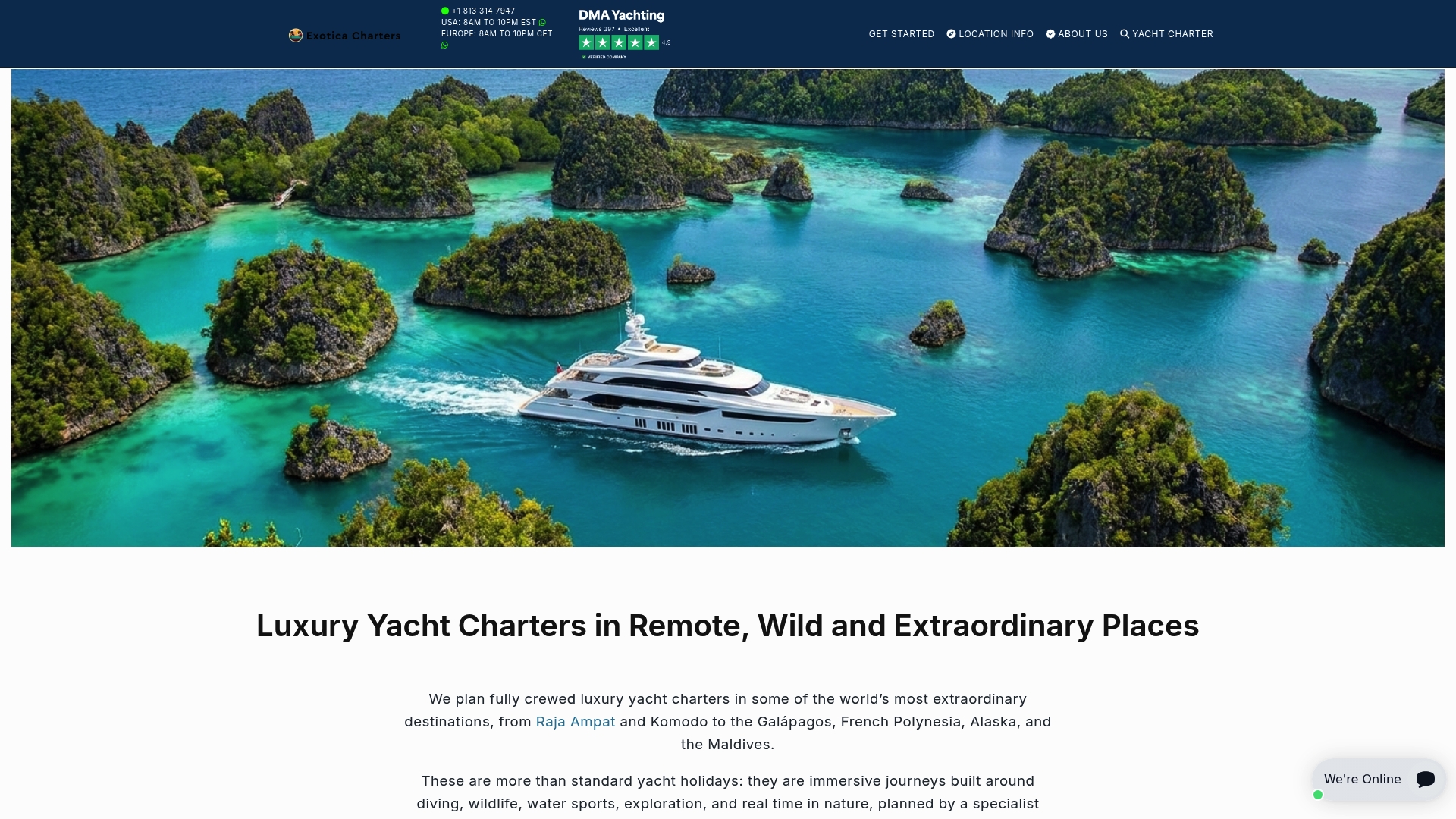
Every Exotica Charters expedition comes with former captains and water-sports professionals on board, plus naturalists who can adjust the day's plan around conditions rather than a printed itinerary. That flexibility matters most in a destination where currents and animal behavior shift week to week. Explore the Luxury Yachts collection or reach out directly to start planning a bespoke Socorro-style expedition built around the exact months and species that matter most to you.
Sources
For deeper background, the Revillagigedo Archipelago's UNESCO World Heritage listing covers the conservation framework behind seasonal closures. The Pacific Manta Research Group documents cleaning-station behavior in detail, and general dive holiday planning guidance rounds out logistics for first-time expedition travelers.
- Whc
- Pacificmantaresearchgroup
- Liveaboard
- Scuba Diving in the Socorro Islands: Best Sites, Marine Life & When to Go | Divearoo
- Scuba Diving in Socorro Islands | Dive Guide | Underwater Atlas