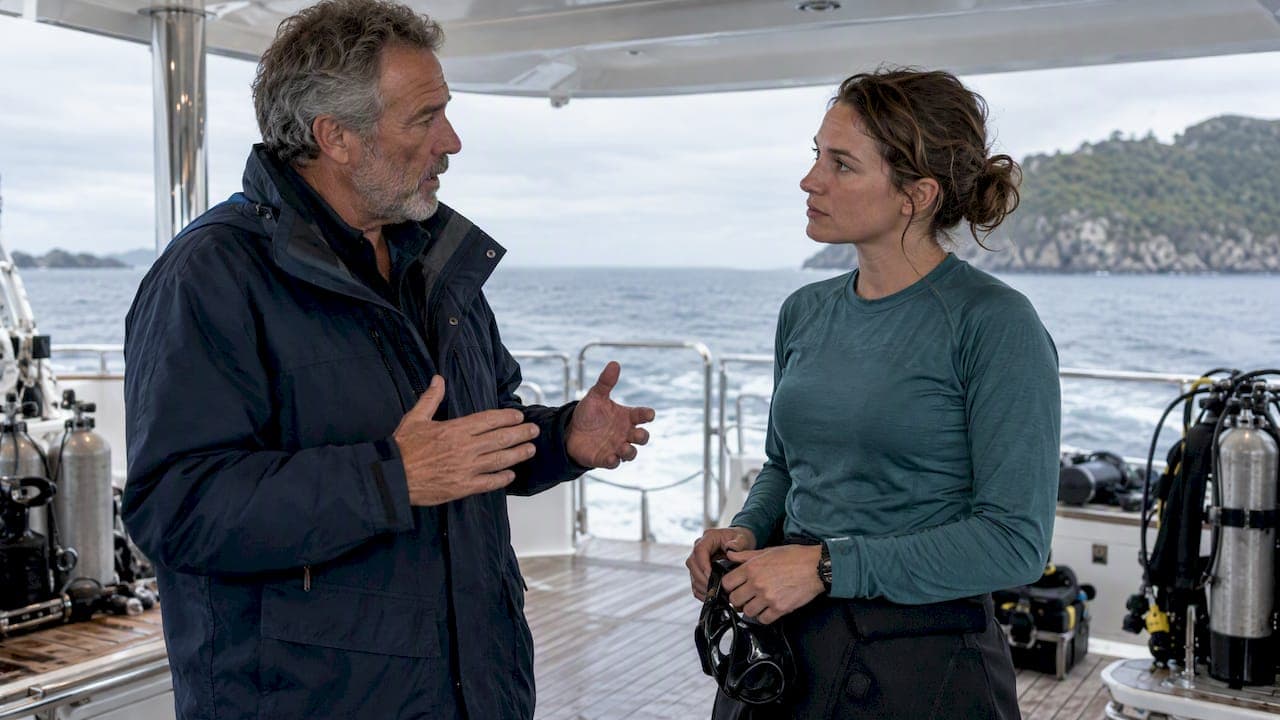
A luxury diving yacht charter lets you dive world-class sites on your own schedule, with private dive support and full onboard safety systems built around you rather than a boatload of strangers. Operators lean on frameworks from Divers Alert Network and PADI to keep that freedom safe, and specialists like Exotica Charters build itineraries around exactly this kind of access. What follows covers the destinations, certifications, and logistics that turn a yacht charter into a serious diving trip.
TL;DR:
- Yacht itineraries allow access to remote sites and regions like Galápagos or Raja Ampat, where day boats often lack the range or permits.
- Divers need at least an Advanced Open Water certification to reach typical depth limits of 30 meters, with specialty courses expanding access to more challenging sites.
- Confirm that the yacht has dedicated dive infrastructure, including a tender, onboard compressor, rinse stations, and qualified guides, for safe and enjoyable diving.
- Operators should demonstrate current safety equipment maintenance, clear Emergency Action Plans, and permit handling to ensure safety and legal compliance.
- Planning dives with conservative schedules and appropriate gear, along with confirming tank refills and safety protocols, helps prevent incidents and maximizes the experience.
Table of Contents
- Where to dive: the regions worth chartering a yacht for
- Why a yacht beats a day boat or shore dive for serious divers
- Certification levels and limits you need to know before booking
- Onboard safety systems worth confirming before you dive
- What makes a yacht genuinely ready for diving
- Pacing your dive days for safety and sightings
- Packing for a yacht-based dive trip
- What drives the cost, and what to confirm before paying
- What experienced captains want every diver to ask first
- Planning your dive charter with Exotica Charters
- Where this guide's safety and certification guidance comes from
- Sources
- FAQ
Where to dive: the regions worth chartering a yacht for
Not every dive region rewards a yacht the same way. Some destinations are extraordinary precisely because a private vessel can reach sites a day boat never could; others simply offer more comfort for the same reef. Matching the destination to the experience you want, pelagic encounters, wreck exploration, macro life, or cold-water drama, makes the difference between a good trip and a transformative one.
- Galápagos: hammerhead schools, whale sharks near Darwin and Wolf, and a short window (June to November) for the coldest, most productive water.
- Maldives: manta rays, reef sharks, and channel drift dives best explored from a liveaboard moving between atolls.
- Red Sea: wrecks like the Thistlegorm, dramatic walls, and warm water diving nearly year round.
- French Polynesia: Fakarava's shark-filled pass and Rangiroa's lagoon diving, both reachable mainly by boat.
- Caribbean and Bahamas: easy, shallow reef diving with short transits, ideal for mixed-experience groups.
- Belize and the Blue Hole: a bucket-list sinkhole dive paired with barrier reef sites nearby.
- Indo-Pacific reefs (Raja Ampat, Komodo): the planet's densest reef biodiversity, with jungle-covered limestone islands rising straight from the water.
- Alaska and temperate expedition waters: cold-water wildlife, kelp forests, and an expedition feel few divers ever experience.
Transit time from the nearest major airport to the first dive site varies widely by region, from a few hours in the Caribbean to a full day or more in the Galápagos or French Polynesia. A yacht charter frequently unlocks anchorages and pinnacles that day boats skip entirely, simply because no day boat has the range or the permits to get there. Our destinations pages break down seasonal windows in more depth if you are still narrowing the shortlist.
Why a yacht beats a day boat or shore dive for serious divers
A day boat runs on someone else's timetable. A yacht charter runs on yours, and for divers who want more than a single morning dive, that difference compounds across a week.
- Flexible scheduling: dive early for the best light, add a night dive, or skip a site entirely without disrupting anyone else's plan.
- Private dive support: a dedicated divemaster or instructor, a tender positioned exactly where you need it, and setups built around camera divers rather than rushed group logistics.
- Comfort and recovery: private cabins for a proper surface interval, a chef managing nutrition and hydration between dives, and medical readiness on hand rather than a radio call away.
Our own dive-focused itinerary planning reflects this: the boat moves to match the diving, not the other way around.
Certification levels and limits you need to know before booking
Operators check paperwork before they let you near the water, and for good reason. PADI's certification guidance lays out depth limits and supervision rules by level, and most yacht operators enforce them strictly because remote sites leave little room for error.
- Open Water: generally limited to 18 meters/60 feet, with supervision requirements that rule out many deeper charter sites.
- Advanced Open Water: qualifies divers to 30 meters/100 feet and includes a deep dive and navigation dive, which many operators treat as the practical minimum for charter diving.
- Specialty courses (nitrox, drift, deep): extend access further and are often worth taking before a trip to currents like Fakarava's pass or the Galápagos's open water.
One in four recreational divers who take Advanced Open Water complete a deep dive to 30 meters/100 feet as part of the course, the same depth many liveaboard sites require as a minimum certification.
Operators typically ask for a certification card and a recent logbook showing a minimum number of logged dives, particularly for strong-current or deep sites. If your last dive was years ago, a refresher course before departure is worth the day it costs. Taking a specialty course in drift or deep diving before your charter does more than tick a box: it genuinely changes which sites and which depths become available to you.

Onboard safety systems worth confirming before you dive
The best diving yachts treat safety equipment as seriously as they treat the itinerary, and DAN's guidance on dive boat safety gives a useful checklist for what to ask before you commit to a charter.
- Emergency oxygen unit: capacity should match the vessel's distance from medical care, and crew should demonstrate they can operate it, not just stow it.
- First-aid kit, life jackets, and fire extinguishers: standard, but worth confirming are current and accessible.
- Dive compressor or refill plan: either an onboard compressor with a maintenance log or a clear arrangement with local dive shops.
- Spare parts: an O-ring kit and basic regulator spares save a dive day when something minor fails.
An Emergency Action Plan, crew drill frequency, and realistic medevac distance matter more than any single piece of gear. DAN's guidance on oxygen kits stresses that capacity should be planned against the vessel's greatest expected transit time to emergency care, and that crews should be able to show recent checks, not just a sealed box in a locker. On deck, tanks get pressurized and checked, regulators and BCDs get tested, and tenders get deployed through a routine the crew can describe without hesitation.
Pro Tip: Ask the operator directly for their EAP and the date of their last crew drill; a confident, specific answer tells you more than any brochure.

What makes a yacht genuinely ready for diving
Not every luxury yacht is built for diving, and the gap between a vessel that merely tolerates scuba and one designed for it shows up fast once you are gearing up for a second dive of the day.
- Confirm a dedicated dive platform and tender sized for your group, with a boarding system that works in swell, not just calm water.
- Ask whether the yacht carries an onboard compressor or relies on a local refill plan, and how that plan holds up on a multi-day remote leg.
- Check tank stowage and equipment lockers, since secure racks and dedicated space prevent the gear damage that ends a dive day early.
- Confirm rinse stations and camera-charging facilities if underwater photography matters to your trip.
- Ask about the dive guide's qualifications, including whether they hold divemaster or instructor certification and local site knowledge.
- Ask how the crew handles marine park permits in the regions you are visiting, since permit handling varies by vessel and by country.
Our page on yachts with scuba diving onboard walks through these features by region if you want to compare specific vessels.
Pacing your dive days for safety and sightings
A charter itinerary should be built around conservative surface intervals and realistic weather buffers, not a race to log dives.
- A typical day runs two to three dives, often an early morning dive, a midday dive, and an optional night dive, with surface intervals long enough for a proper rest between tanks.
- Visibility and current strength shift by season: the Galápagos is coldest and most productive from June to November, while Red Sea wrecks dive well nearly year round.
- Building in a buffer day or two protects the itinerary against weather delays and gives captains room to reposition if conditions turn at a planned site.
Experienced captains would rather protect four reliable dive days than chase six and lose two to bad conditions.
Packing for a yacht-based dive trip
Pack light on bulk and heavy on the items that are genuinely yours: a well-fitted mask, fins, a dive computer, and a wetsuit or drysuit sized correctly for the water temperature you are chartering into.
- Bring a surface marker buoy, a backup dive light, and a padded case for any camera gear.
- Tanks, weights, and regulators are commonly provided by the yacht, though it is worth confirming this in writing before departure.
- Rinse and dry gear daily, charge camera batteries overnight, and carry a small O-ring kit; it is the cheapest insurance against a lost dive day.
Pro Tip: Pack your mask and computer in carry-on luggage; everything else can usually be rented or borrowed on board, but a mask that does not fit your face cannot.
Our one-page charter checklist covers the same ground in a printable format worth keeping handy while you pack.
What drives the cost, and what to confirm before paying
Charter cost breaks down into yacht hire, crew gratuities, fuel, park fees, and permits, plus any dive equipment supplement or specialist guide fee if you add a marine biologist to the itinerary.
- Marine Protected Area rules can restrict anchoring, limit group sizes, or require advance permits, and vessels sometimes need commercial registration to operate legally inside them.
- Confirming the operator's Emergency Action Plan, insurance coverage (both dive-specific and trip cancellation), and cancellation terms in writing protects you if plans change.
- A clear written confirmation of local permits avoids the kind of itinerary disruption that can follow from a vessel operating outside its registration.
For broader planning context, Baran of Yachts' guide to organizing luxury yacht tours covers similar ground from a general chartering angle.
What experienced captains want every diver to ask first
Former captains tend to ask the same three questions before any dive charter: can the crew produce current compressor maintenance logs, can they walk through their Emergency Action Plan and the date of their last drill, and can they confirm local MPA permits in writing rather than verbally. These questions sound basic, but they separate operators who treat diving as a serious operation from those who treat it as an amenity.
Some yacht charter operators approach dive itineraries with pacing built around conservative surface intervals, vet crews for compressor and medical competence, and confirm permits before guests board. A one-page checklist helps, but it works best as a conversation starter with your broker, not a form to fill out alone.
— Mo
Planning your dive charter with Exotica Charters
Some companies planning dive-focused yacht itineraries rely on former captains and water sports professionals who emphasize compressor logs, permit handling, and crew readiness. Many maintain customer satisfaction ratings and tailor charters around specific diving interests.
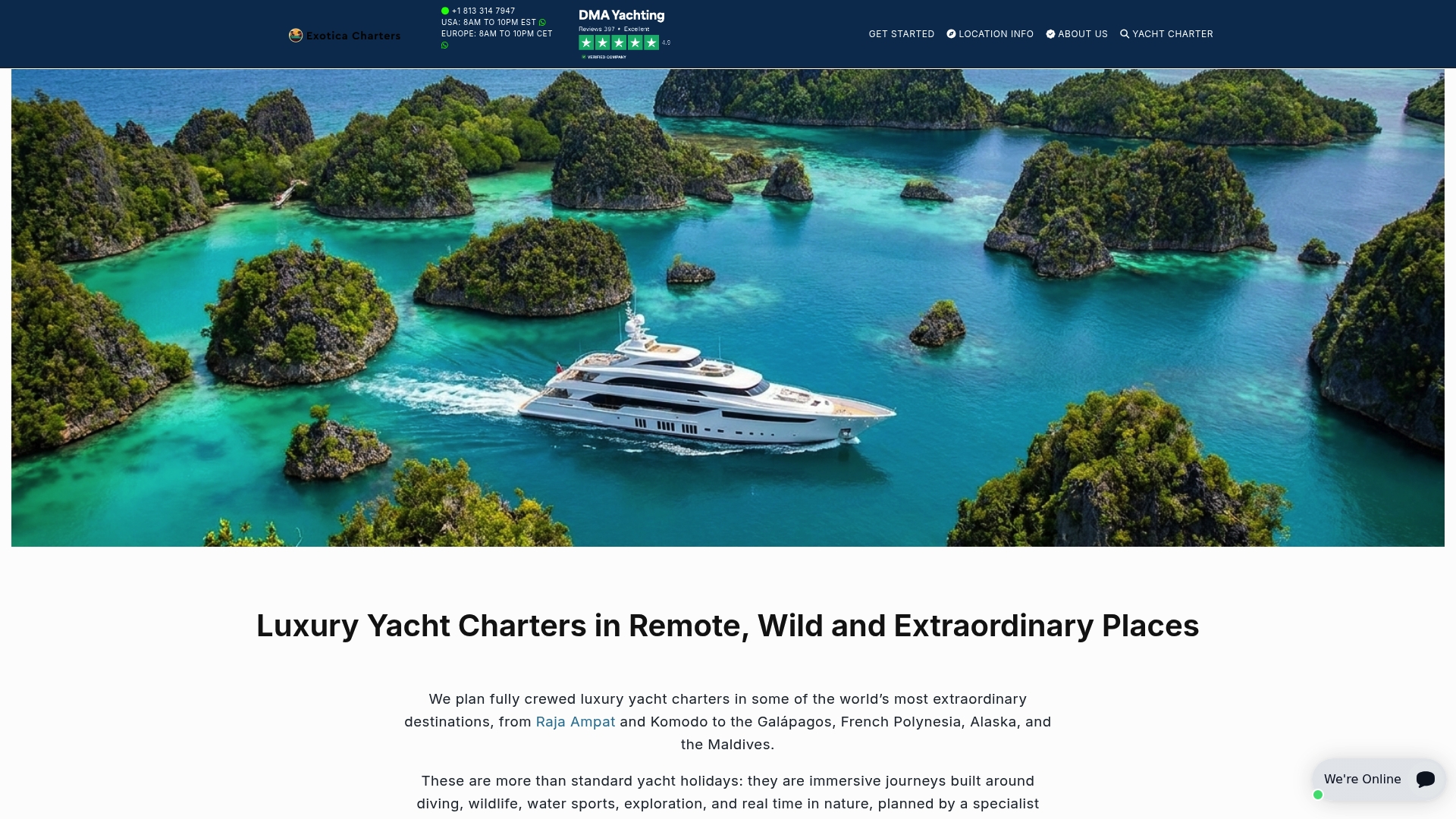
- Browse charter yachts with scuba diving onboard to see vessels equipped for the trip you are picturing.
- Speak with a specialist about matching a region, season, and certification level to the right yacht.
Start at Exoticacharters to compare options and request a tailored itinerary.
Where this guide's safety and certification guidance comes from
- DAN's dive boat safety guidance outlines the checklist divers should run through before trusting a vessel.
- DAN's oxygen kit guidance explains how emergency oxygen capacity should match medevac distance.
- PADI's certification restrictions detail depth limits and supervision rules by certification level.
- Yachting World's boat diving advice covers practical deck-side checks before entering the water.
Sources
- Dive Boat Safety - Divers Alert Network
- Diving from a boat – advice from the experts - Yachting World
- PADI Scuba Diving Restrictions
- Understanding oxygen kit components - DAN
FAQ
Do I need Advanced Open Water for a yacht dive charter?
Not always, but many operators treat it as the practical minimum for charter sites, since Advanced Open Water qualifies divers to 30 meters/100 feet. Open Water certification alone often restricts you to shallower, easier sites within the same itinerary.
How many dives can I realistically do per day on a charter?
Most charter itineraries run two to three dives a day, sometimes with an optional night dive, spaced around conservative surface intervals. The exact number depends on site depth, current, and how the captain is pacing the week.
Who fills the dive tanks on a yacht charter?
Many liveaboards carry their own compressor, while others rely on local dive shops for refills, so it is worth confirming the arrangement before you book. Practical accounts from boat-based divers note that refill plans and costs vary enough to ask about directly.
What should I check for safety before trusting an operator?
Ask for their Emergency Action Plan, the date of their last crew drill, and confirmation that their emergency oxygen kit has been checked recently. DAN's safety guidance treats these three questions as the fastest way to judge an operator's preparedness.
Does Exotica Charters arrange diving-specific yacht charters?
Yes, Exotica Charters plans dive-focused itineraries through former captains and water sports professionals who vet vessels for compressor reliability, crew readiness, and permit handling. Pricing is available on request through Exoticacharters.