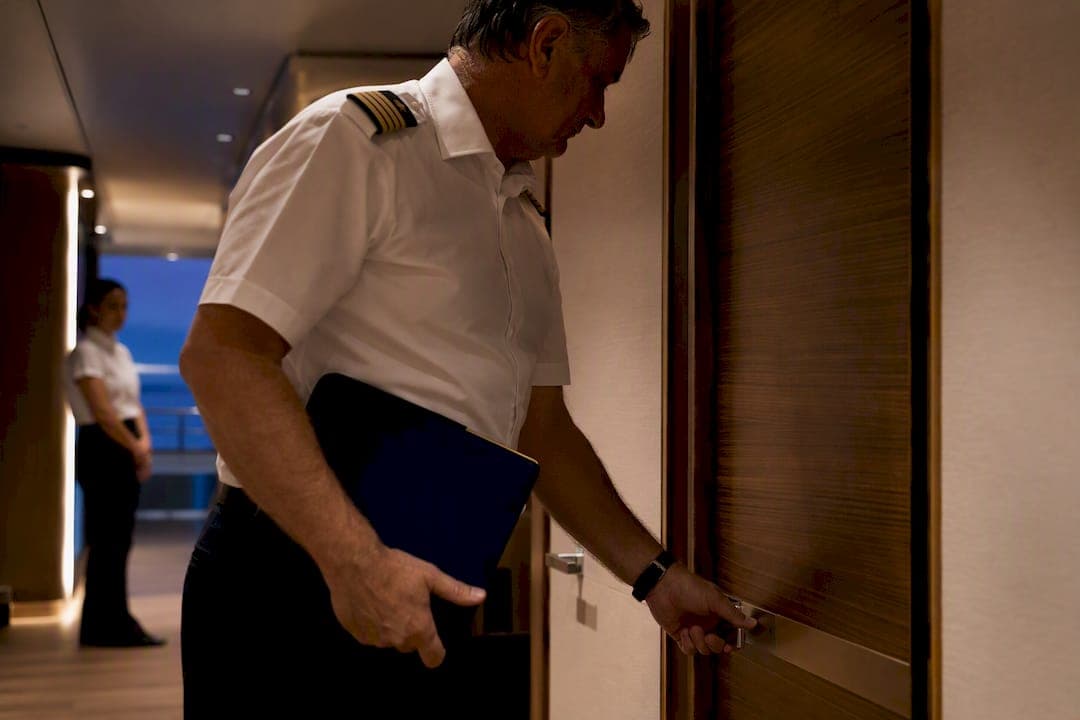
Yes, a private, fully crewed yacht charter can stay genuinely discreet, but only when you insist on the right combination of contracts, operational planning, crew discipline, and bespoke security. The five moves that matter most: confidentiality clauses backed by an NDA, itinerary secrecy paired with smart anchorage choices, a crew Seafarer Employment Agreement with real social media teeth, a security posture matched to your actual risk, and communications kept off public channels. Specialist charter brokers build these into every voyage using a team of former captains and water sports professionals who understand where privacy actually breaks down. One honest caveat up front: AIS transponders and port paperwork create exposure points no contract can fully erase.
TL;DR:
- Most yacht contracts include basic confidentiality clauses, but a separate NDA is essential to protect guest identities, itinerary details, and images.
- Choosing remote anchorages and controlling tender logistics significantly reduce visibility and exposure during shore transfers, with AIS signals being unavoidable but manageable through route planning.
- Security should be based on a thorough threat assessment, with low-profile embedded officers suitable for most luxury charters and full escort teams reserved for higher risks.
- Communications involving guest details should be kept on secure, encrypted channels, with crew trained regularly on social media and data privacy policies.
- Operational judgment, such as navigation, anchoring, and tender security, plays a crucial role in privacy, often more than legal agreements alone.
Table of Contents
- What Contracts Actually Protect Your Yacht Charter Privacy?
- How Do Anchoring and Tender Choices Protect Your Privacy?
- When Do You Need Dedicated Maritime Security?
- Are Your Booking Communications Actually Private?
- Why Crew Social Media Training Prevents Most Leaks
- The Pre-Charter Privacy Checklist
- Why Privacy on a Charter Comes Down to Seamanship, Not Just Paperwork
- Ready for a Discreet, Fully Crewed Charter?
- Sources
- FAQ
What Contracts Actually Protect Your Yacht Charter Privacy?
Most MYBA standard charter agreements already include confidentiality language, but that boilerplate rarely covers everything a high profile guest needs. A separate NDA tightens the gaps around guest identity, guest lists, and itinerary details that the standard form treats loosely.
Crew agreements need their own layer. A well drafted Seafarer Employment Agreement includes social media clauses that require explicit captain or owner approval before any post goes live, with defined windows after departure before anything can be shared at all. Legal commentary on this point is blunt: blanket "gag" language rarely survives scrutiny, and clauses need reasonable carve-outs for legal authorities and emergencies to hold up.
Before you sign anything, request these clauses in writing:
- Guest anonymity provisions covering names, images, and travel dates
- Itinerary non-disclosure extending to crew, vendors, and provisioning contacts
- Photo and video restrictions with defined approval workflows
- Data retention limits on preference sheets and personal details
- Remedies for breach, plus explicit carve-outs for legal or medical emergencies
How Do Anchoring and Tender Choices Protect Your Privacy?
Where you park the yacht matters more than most guests realize. A marina berth puts your vessel next to dozens of others, dockhands, and anyone with a camera phone. A remote anchorage removes that audience entirely, and discretionary charter specialists treat this choice as a primary privacy lever, not an afterthought.
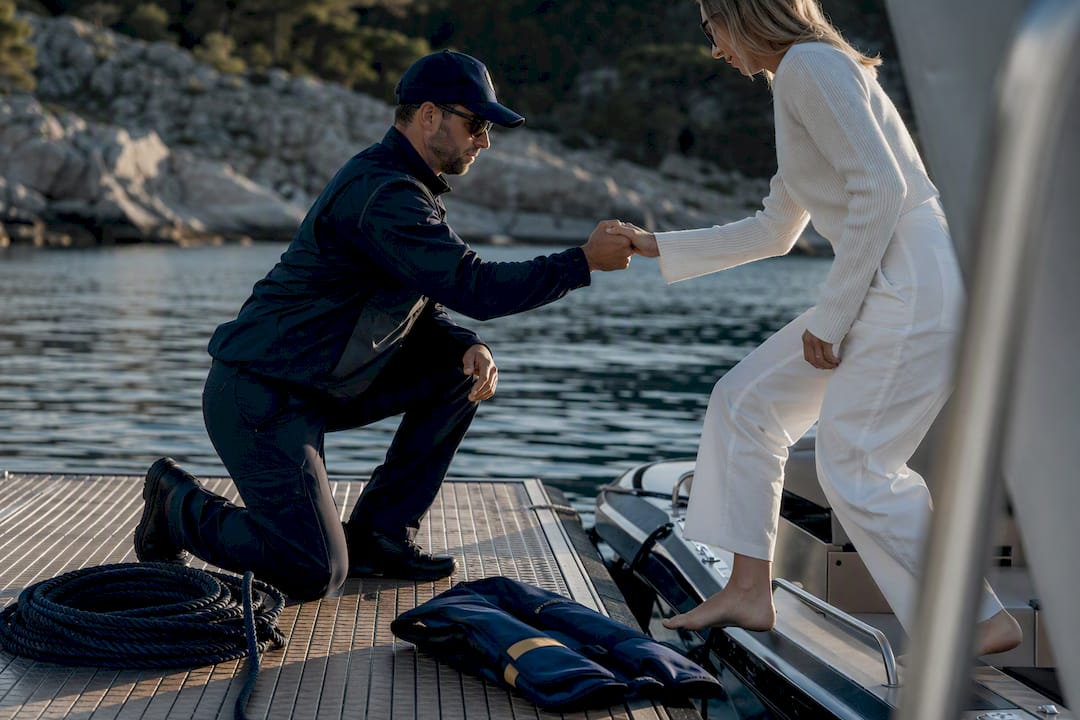
The tender to shore transition is where most exposure actually happens. Security specialists rank it as the single highest vulnerability window in an entire charter, comparable to an airport transfer. Three steps close that gap:
- Stage a private landing point away from public docks whenever the destination allows it
- Send an advance team ashore to confirm the route and secure a vehicle before guests disembark
- Time tender runs around foot traffic patterns rather than a fixed schedule
AIS broadcasting remains the one variable you cannot simply switch off. Maritime law requires most vessels over a certain size to transmit position continuously, and FFGR Security's analysis notes that open-source AIS data is a common enabler of targeted approaches. You cannot go dark, but you can control route timing and anchorage selection to limit what that data reveals about your next move.
When Do You Need Dedicated Maritime Security?
Not every charter needs a protection detail, but the decision should follow a real threat assessment rather than a gut feeling. Guest profile, the region you are cruising, and any scheduled onshore events all factor into how much security posture makes sense.
Providers like VCP Global build packages around two broad configurations:
- An embedded close protection officer who blends into the crew and keeps a low profile throughout the charter
- A dedicated maritime detail with escort boats or drones for higher risk itineraries and known threats
A low profile posture, embedded officers rather than visible armed teams, tends to protect the guest experience better than a heavier setup for most luxury travelers. Security teams that liaise directly with the captain around the clock catch problems before they surface on deck, which keeps the entire arrangement invisible to guests who simply want an uninterrupted week on the water.
Pro Tip: Ask your broker whether the security provider has worked tender transfers in your specific region before. Local knowledge of landing points and traffic patterns matters more than the size of the security team.
Are Your Booking Communications Actually Private?
Preference sheets, medical notes, and even the names crew are told to use for guests should live somewhere more controlled than a shared inbox. Discretionary brokers commonly hold this information in private guest portals with access limited to the people who genuinely need it.
Onboard, communications deserve the same scrutiny:
- Confirm the yacht uses a vetted VSAT provider rather than a public marina Wi-Fi network for guest connectivity
- Ask what encrypted messaging option the crew uses for anything involving the principal's schedule or location
- Set clear device use guidance for crew during the charter to prevent casual leaks through personal phones
- Request that any data collected be limited strictly to what the voyage requires, with a defined retention window afterward
Why Crew Social Media Training Prevents Most Leaks
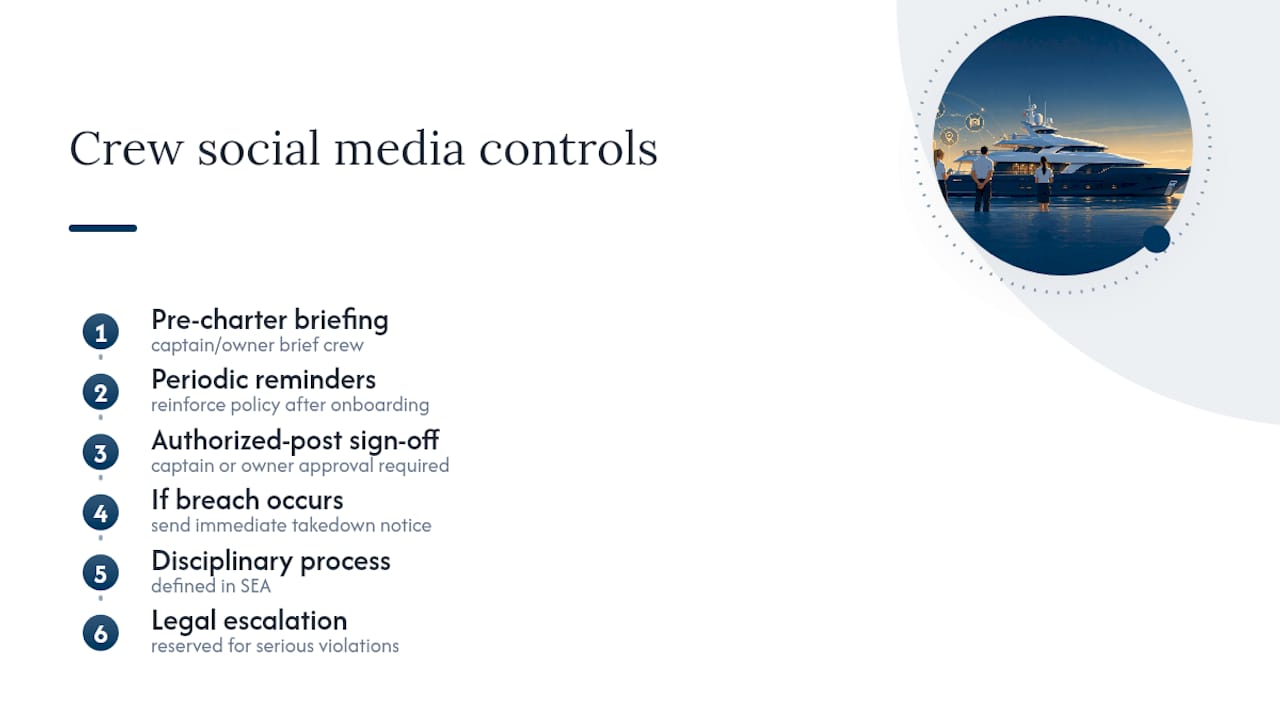
A blanket social media ban sounds airtight but rarely survives real charter life. The stronger approach pairs an authorized post policy, requiring captain or owner sign off before anything goes online, with regular crew training that reinforces the rule rather than assuming everyone remembers it from onboarding.
Legal analysis of crew contracts points to pre-charter briefings and periodic reminders as the actual difference makers, not the contract language itself. If a breach happens anyway, a clear remediation path matters: a take-down notice sent immediately, a disciplinary process defined in the SEA, and legal options held in reserve for serious violations.
The Pre-Charter Privacy Checklist
Work through this list with your broker, yacht manager, and captain before the charter starts, ideally with enough lead time to fix gaps rather than discover them on embarkation day.
- Confirm the NDA and confidentiality clauses are signed and cover guest identity, itinerary, and imagery
- Verify the crew SEA includes an authorized post social media clause and that recent training has actually happened
- Review the bespoke security plan, including tender and shore transfer arrangements specific to your itinerary
- Confirm the private guest portal is active and check what VSAT or communications setup will be used onboard
- Establish a single point of contact for last minute changes and confirm emergency contact protocols with the captain
Why Privacy on a Charter Comes Down to Seamanship, Not Just Paperwork
Contracts set the expectation, but privacy actually gets delivered by the people running the boat. A captain who reads a harbor, picks the right anchorage, and knows which landing points draw a crowd protects a guest's discretion more reliably than any NDA on file. That combination, legal groundwork plus operational judgment plus trained crew, is what separates a genuinely quiet week from one where the paperwork looked good but the itinerary leaked anyway. Specialist charter brokers draw that judgment from a team built around former captains, which shapes how routes are planned long before a contract is signed.
— Mo
Ready for a Discreet, Fully Crewed Charter?
Luxury charter brokers plan itineraries around the same operational judgment covered above: anchorage selection, tender logistics, and crew who understand why discretion matters before they ever step aboard. Each voyage is built around privacy requirements from the first conversation, not as an afterthought bolted onto a standard package.
Whether you're drawn to a private sailing charter through a remote archipelago or a fully staffed motor yacht for a family week away from public itineraries, the planning process starts the same way: a direct, confidential conversation about what discretion means for your trip. Browse luxury yachts built for extended, self-contained voyages, or reach out through Exotica Charters to start a private enquiry and get a bespoke itinerary built around the level of seclusion you actually need.
Sources
- Crew Contracts and Superyacht Confidentiality in TikTok Times - Lexology
- Yacht charter security — FFGR Security Worldwide
- Secure Yacht Services & Maritime Protection | VCP Global
FAQ
Can a Gag Clause in a Crew Contract Actually Be Enforced?
A blanket gag clause often fails to hold up because it lacks reasonable limits; enforceable versions include specific carve-outs for legal authorities and define clear, narrow scope rather than banning all disclosure outright.
Can I Ask the Yacht to Turn Off AIS During My Charter?
No, most vessels are legally required to broadcast AIS continuously, so privacy planning focuses on route timing and anchorage choice rather than disabling the signal.
When Should I Hire Dedicated Maritime Security for a Charter?
Hire dedicated security when a threat assessment, based on guest profile, region, and itinerary, points to elevated risk; lower risk charters are often better served by a single embedded close protection officer who keeps a low profile.
Does My Broker's NDA Cover the Crew Too?
Not automatically. A broker or booking NDA typically protects guest identity and itinerary details, but crew confidentiality runs through the separate Seafarer Employment Agreement, so confirm both are in place.
What Happens If a Crew Member Posts About My Charter?
A well drafted SEA allows for an immediate take-down request and a defined disciplinary process, with legal action available for serious or repeated breaches.
Does Exotica Charters Handle Privacy Planning Directly?
Exotica Charters builds confidentiality, crew vetting, and operational privacy planning into each itinerary from the first conversation, drawing on a team of former captains who plan routes and shore logistics with discretion in mind.